

Hackers Push Supermarket Fridges to 122°F, Exposing a Cold Chain Weakness US Stores Also Share
US military commissaries hit the same way in August, weeks before France's stores went down
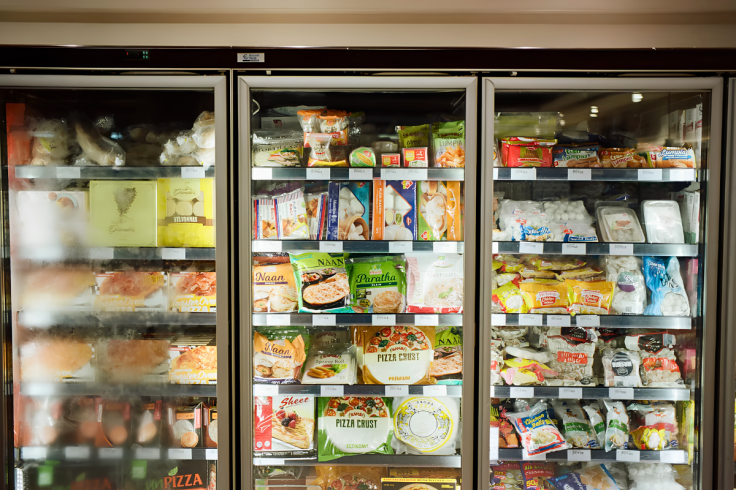
Hackers raised temperatures in fridges and freezers at hundreds of French supermarkets to 122°F (50°C) overnight from 11 to 12 October 2026, spoiling food and starting fires in a large-scale attack that has raised questions about the security of refrigeration equipment used in American stores.
The same internet-connected controllers that failed in France are widely used in commercial refrigeration, but the report needs to confirm their deployment across specific US grocery chains and military bases. The incident raises the prospect that American shoppers could face spoiled stock, dumped groceries, and higher prices next.
What Hackers Did to French Stores
The Paris prosecutor's office called it a 'large-scale' attack on connected refrigerators across several major food retailers, with damage including food losses and fires. Hackers had switched units into defrost mode to force the heat up. Les Mousquetaires, which owns Intermarché, said around 150 of its stores had fridges held at 50°C for six hours before staff threw everything away. Carrefour reported 80 affected supermarkets, while Monoprix said 5% of its roughly 490 stores were hit.
The US Cold Chain Runs on the Same Tech
For American readers, the sharpest detail sits across the Atlantic. The attacks resemble refrigeration failures that hit about a dozen US military commissaries in late August, when freezers at bases including Fort Huachuca in Arizona slipped into defrost mode and spoiled frozen stock.
The Defense Commissary Agency, known as DeCA, confirmed a 'possible refrigeration disruption' but has not named a cause. Commissaries stayed open but pulled frozen items from sale. At least 14 commissaries were reportedly affected, and the agency's refrigeration contracts had sought gear that could be monitored and controlled remotely.
Ahold Delhaize, the fourth-largest grocery operator in the US and the parent of Stop & Shop, Giant, Hannaford, and Food Lion, said on 12 October it was handling its own 'security issue' and had taken systems offline. Websites for several of its US brands briefly showed outage notices. The company said there was no reason to link its problems to France.
How the Fridges Were Flipped
Supermarket cold aisles are usually run by control panels that manage every fridge and freezer in a store and can be reached over the internet, letting maintenance firms adjust them from anywhere. Danfoss, the Danish supplier whose controllers were targeted, said the affected units were running outdated firmware and urged customers to update.
In August, researchers at Claroty's Team82 had flagged flaws in the Danfoss AK-SM 800A controller that could let attackers bypass log-ins and run code. France's retail federation demanded 'full transparency' from Danfoss over the breach.
What It Means for Shoppers
Intermarché chief executive Thierry Cotillard told broadcaster BFM TV the losses could reach tens of millions of euros nationwide in a single day. Félix Aimé, a threat-intelligence analyst at security firm Sekoia, said Belgium, Germany, Poland, Portugal, and Spain had also seen related disruption, and France's National Cybersecurity Agency, known as ANSSI, is investigating.
For US consumers, the lesson is blunt. As the French incident shows, vulnerable refrigeration controllers can be manipulated remotely to raise temperatures. Whether the same vulnerabilities affect specific US installations remains to be confirmed.
© Copyright IBTimes 2026. All rights reserved.