'Months, Not Years': European Spy Chiefs Warn Putin Preparing Imminent Strike On NATO Soil
Europe on edge as spy chiefs warn Moscow could test NATO within months, while France prepares for a possible Russian attack by 2027
European spy chiefs have warned that Russia could test NATO within 'months, not years', as a separate French intelligence assessment reportedly moves the timeframe for possible major Russian attacks forward from 2030 to autumn 2027.
The warnings have intensified concern over whether Moscow could attempt a limited operation designed to probe NATO's resolve without immediately triggering a wider confrontation.
Michal Koudelka, head of the Czech Republic's Security Information Service, said a Russian operation could involve a limited incursion into NATO territory, false-flag provocations, increased drone activity or a major influence campaign.
French intelligence agencies are preparing for a massive Russian attack by 2030. According to a confidential document obtained by France Télévisions, the situation is escalating faster than expected. Autumn 2027 is now being mentioned.https://t.co/Zh0R0yGbuy
— French Aid to Europe 🇨🇵 🇪🇺 (@aidefranceukr) September 20, 2026
Russia Could Test NATO's Resolve
The concern is not necessarily a repeat of Russia's full-scale invasion of Ukraine. European intelligence officials are examining the possibility of a smaller, deliberately ambiguous operation that could leave NATO governments facing a difficult decision over how to respond.
Polish Prime Minister Donald Tusk has said intelligence assessments indicated Russia could potentially launch a drone or missile attack against NATO territory in the coming months, potentially testing whether the alliance's Article 5 collective-defence commitment was 'more theoretical than practical'.
France Moves the Timeline Forward
France has separately raised the stakes.
French intelligence services are reportedly considering autumn 2027 as a possible timeframe for major Russian attacks, according to a confidential note cited by France Télévisions.
That would bring the reported assessment forward from an earlier 2030 scenario. Potential targets include power plants and electricity grids, railways, telecommunications networks and drinking-water infrastructure.
The list puts the threat beyond military bases. A successful attack on critical infrastructure could disrupt electricity, transport, communications or essential services across civilian communities.
Explosive Drone Scenario
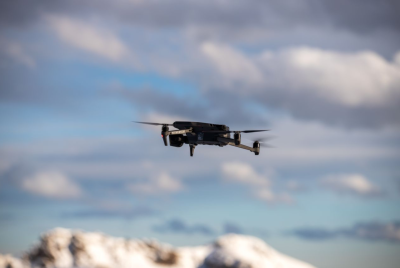
Alain Christienne, a former deputy director of French military intelligence, described a hypothetical attack involving an explosives-carrying drone targeting a French defence-industry site.
He warned that determining who was responsible could be difficult, highlighting a central problem with hybrid attacks: the damage can be immediate while attribution remains uncertain.
Thomas Nilsson, head of Sweden's military intelligence and security service, described the recent armed drone incident at Leipzig/Halle airport as a 'game-changer'. German authorities have attributed the attempted attack to Russian intelligence.
Macron Steps up Defences
French President Emmanuel Macron has responded by strengthening preparations around critical infrastructure and sensitive sites within the country's defence industrial and technological base.
Macron also met political party leaders and 2027 presidential candidates in Paris to discuss the growing Russian hybrid threat. French authorities have meanwhile been instructed to establish local security and defence teams involving police, intelligence services, the military, businesses and emergency responders.
BREAKING: 🇫🇷 Autumn 2027 is now reportedly being considered in some French intelligence scenarios for a potential major Russian escalation against Europe, according to France Télévisions.
— GeoInsider (@InsiderGeo) September 20, 2026
French intelligence services are preparing for scenarios involving a significant Russian… pic.twitter.com/XW1oEmuWBc
Intelligence Chiefs Urge Caution
Europe's intelligence chiefs are not presenting a single prediction of imminent war.
Normunds Mežviets, director general of Latvia's State Security Service, said his agency saw no indications of an imminent attack. He acknowledged signs of Russian preparations for potentially more decisive action in Europe, but said it remained unclear whether those activities reflected concrete plans or a broader attempt to spread fear and uncertainty.
Estonian foreign ministry secretary general Jonatan Vseviov has also urged against panic, saying authorities would make clear if there were genuine grounds to fear an attack.
Europe's Shadow War
The intelligence chiefs broadly agree that Russian sabotage activity in Europe could intensify.
Mežviets said Russian operations were increasingly focusing on railway infrastructure, support for Ukraine and defence-industry targets. Nilsson identified wider objectives including weakening support for Ukraine, creating divisions within NATO and alarming European populations.
The two timelines are striking but describe different scenarios. Koudelka's warning concerns a possible NATO test within months, while the French assessment identifies autumn 2027 as a possible timeframe for major attacks.
Neither provides a confirmed Russian attack date.
What they do reveal is a Europe increasingly preparing for a confrontation in which drones, sabotage, cyberattacks and pressure on critical infrastructure could blur the line between peace and open conflict.
© Copyright IBTimes 2026. All rights reserved.
- Recommended For You