AI Data Centres Are Turning to 'Forever Chemicals' to Cut Water Use, Fueling PFAS Boom
Two-phase immersion systems can sharply reduce cooling energy and water consumption, but rely on fluorinated fluids that campaigners say could create new environmental risks
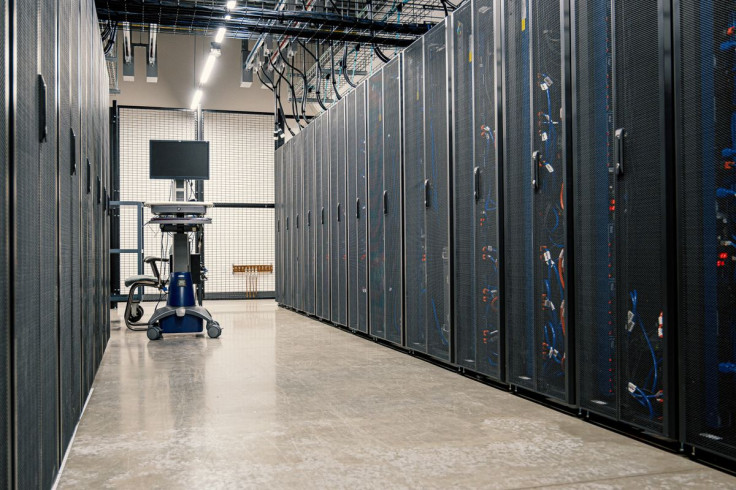
The AI boom is pushing data centres towards cooling systems that can slash water use but rely on fluorinated chemicals that environmental groups warn could deepen the world's PFAS (Poly Fluoroalkyl Substances) pollution problem.
A new report from Swedish chemicals watchdog ChemSec says most major PFAS producers are expanding capacity, driven by demand from AI data-centre infrastructure, semiconductor manufacturing and lithium-ion batteries.
US-based Chemours, Japan's Daikin and France's Arkema are among companies investing in fluorinated products tied to fast-growing technology markets.
'These companies' expansion plans show that unless governments and regulators insist on a rapid phaseout, we will face a new tidal wave of forever chemicals,' ChemSec executive director Anne-Sofie Bäckar said.
AI Cooling Trades Water for Chemicals
AI servers generate enormous amounts of heat, while conventional cooling can consume large quantities of water and electricity.
Two-phase immersion cooling takes a different approach by submerging computing equipment in a low-boiling dielectric fluid. The liquid absorbs heat, turns to vapour, and condenses back into the system.
Chemours says its Opteon two-phase immersion cooling technology can cut cooling-energy consumption by more than 90% compared with traditional air cooling and nearly eliminate water use. It describes the system as a closed loop in which fluid can be recovered and reused.
That efficiency is increasingly valuable as US data centres consume more power. Department of Energy figures show they used about 176 terawatt-hours of electricity in 2023, or 4.4% of national consumption. Their share could rise to between 6.7% and 12% by 2028.
PFAS Expansion Raises Health Fears
The same durability that makes PFAS useful under extreme heat also makes them difficult to remove once released into the environment.
PFAS contain exceptionally strong carbon-fluorine bonds and can persist in water, soil and the human body.
US health researchers have linked exposure to some PFAS with immune-system effects, liver damage and certain cancers, although many compounds remain poorly studied.
ChemSec says Chemours produces or uses more PFAS substances than any other company in its latest ranking and estimates that between half and two-thirds of its $5.8 billion annual revenue is connected to PFAS.
Daikin plans to more than triple production capacity for some fluoropolymers as semiconductor demand grows, while Arkema is expanding PFAS-related manufacturing for batteries, chips and refrigerants.
Environmental Groups Challenge Cooling Plan
The push has already sparked a regulatory fight. In July, 17 environmental organisations urged the US Environmental Protection Agency to reject Chemours' application for Opteon 2P50, a fluorinated fluid proposed for data-centre immersion cooling.
The groups warned that large facilities could contain tens of thousands of litres of fluid and argued that leaks, maintenance and disposal could create significant releases.
Chemours disputes those concerns, saying the systems are designed to minimise leakage and that the fluid can be recovered, reprocessed and reused.
The company is continuing to expand its cooling portfolio. In August, it launched two additional Opteon refrigerants for stationary chillers used in data centres and commercial buildings, saying AI is rapidly increasing cooling demands.
A 2024 Lawrence Berkeley National Laboratory report estimated that US data centres consumed about 66 billion litres of water directly on site in 2023, with hyperscale and colocation facilities accounting for 84% of that total.
Their electricity use carried an even larger hidden water footprint of nearly 800 billion litres through power generation, a figure expected to grow as data-centre energy demand rises, although the scale will depend partly on how the electricity mix changes.
The trade-off is becoming harder to ignore: technology designed to reduce AI's water and energy footprint may also increase demand for chemicals regulators are under growing pressure to restrict.
© Copyright IBTimes 2026. All rights reserved.
- Recommended For You