America's Biggest Convenience-Stores Are Quietly Overcharging Consumers by a Few Cents More Than Sticker Price
State inspection records and complaints point to widespread pricing discrepancies at 7-Eleven and Circle K stores, with staffing shortages and weak enforcement leaving shoppers vulnerable to small overcharges
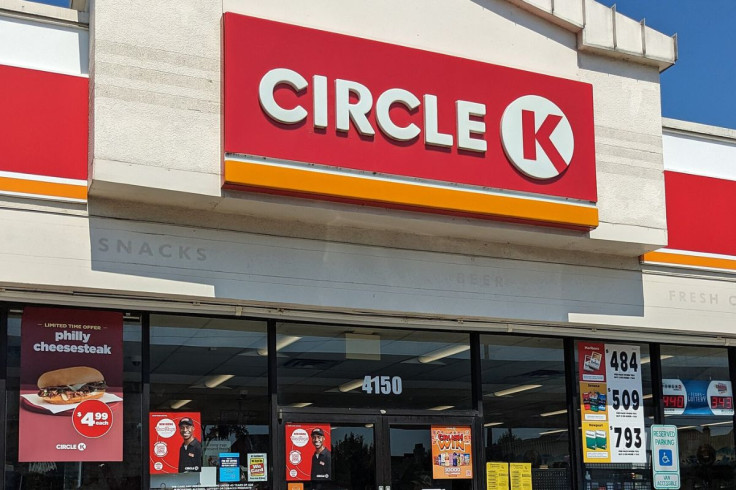
Major US convenience-store chains including 7-Eleven and Circle K have repeatedly failed state price-accuracy checks, with some locations overcharging on more than three-quarters of inspected items, according to an investigation based on official inspection records and consumer complaints.
The findings cover weights and measures inspections carried out between 2023 and 2025 across several states and include both in-store purchases and fuel-pump transactions.
A 2024 report from the National Council on Weights and Measures found convenience stores had the highest price-accuracy failure rate of any retail sector examined, at 34 per cent across inspections in 26 states.
Dollar stores recorded a 29 per cent failure rate, while auto parts retailers stood at 27 per cent. For everyday shoppers, a few extra cents on routine purchases can add up over dozens of transactions, putting more pressure on household budgets.
Chains With Repeated Inspection Failures
Inspection records cited by the investigation show repeated failures at Circle K and 7-Eleven outlets. Circle K stores failed 35 per cent of price-accuracy inspections in Florida, 62 per cent in North Carolina and 82 per cent in Columbus, Ohio. 7-Eleven failed 47 per cent of inspections in Colorado and Utah and 79 per cent in Ontario County, New York.
In Los Angeles County, 7-Eleven failed 37 per cent of inspections overall, while some individual stores recorded overcharge rates of up to 67 per cent during single visits. At one 7-Eleven in Casa Grande, Arizona, 12 of 25 sampled items scanned above their displayed shelf prices, producing a 48 per cent error rate.
Explanations From Stores and Concerns From Experts
Store clerks and corporate representatives cited several explanations for mismatches between advertised and scanned prices, including staffing shortages, frequent distributor price changes and mistakes by third-party vendors.
Expired promotional tags can also remain on shelves after offers have ended. Employees are responsible for a range of tasks, including running tills and restocking shelves, leaving less time for checking and replacing price labels.
The investigation reported that updating shelf prices can take up to two weeks after new prices are issued by corporate offices.
David Friedman, a law professor at Willamette University, questioned whether such explanations fully accounted for repeated discrepancies. He said that blaming technical accidents for systematic differences between shelf and till prices 'strains credibility', given retailers' use of inventory and pricing software.
Fuel Signs Not Always Matching Pump Prices
The issue is not limited to items inside stores. Convenience stores account for about 80 per cent of petrol sold in the US, and complaints reviewed by the investigation included cases where roadside signs displayed lower prices than those charged at the pump.
More than half of drivers stopping for fuel also enter the shop, where they may purchase other products. However, regulatory inspections were found to focus mainly on packaged goods sold inside stores, with fuel-pump pricing subject to less scrutiny.
Small Differences Can Build Into Larger Costs
Individual discrepancies were often measured in cents. Examples cited included a 10-cent increase on snacks and a 14-cent-per-gallon difference between an advertised fuel price and the amount charged at the pump. Convenience stores serve an estimated 57 per cent of the US population each week, according to the investigation.
Repeated discrepancies across large numbers of transactions can therefore add up, even where each individual overcharge is relatively small. The investigation also said convenience stores serve large numbers of shift workers, blue-collar workers, pensioners on fixed incomes and households earning less than $50,000 a year.
The investigation found that some state agencies prioritise larger supermarkets for price-accuracy checks and face shortages of inspectors. Arizona, for example, has 14 inspectors covering the entire state.
Some states, including Illinois, South Carolina and Wyoming, do not carry out retail price-accuracy inspections, according to the findings. In other areas, inspections may begin only after a consumer complaint rather than through routine checks.
Critics Say Existing Fines Have Not Stopped Repeat Problems
The investigation also highlighted cases where companies continued to fail inspections after receiving warnings or paying settlements. Dollar General failed 31 per cent of Wisconsin price inspections during the 23 months after an $850,000 settlement with the state.
Carquest Auto Parts failed 39 of 43 county audits after formal warnings and later agreed to a $750,000 settlement.
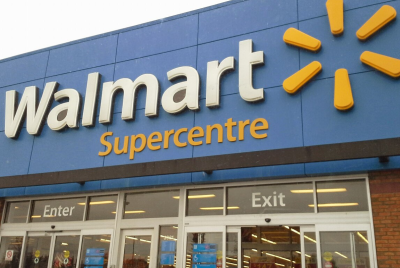
Walmart has also faced previous scanner-error cases, including settlements worth $2.1 million in 2012 and $5.6 million in 2025. Friedman said a broader response could require coordination between the Federal Trade Commission and state attorneys general.
Some states have begun pursuing their own measures, including a Utah law introduced in 2026 targeting retail scanner overcharges.
© Copyright IBTimes 2026. All rights reserved.
- Recommended For You