

Holiday Travel Meltdown: Heathrow Strikes and Fog Leave Thousands Stranded
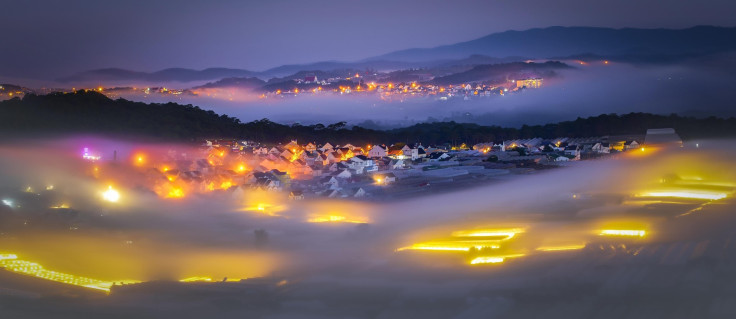
The holiday travel chaos engulfed Britain's busiest airport as thick fog and industrial action combined to disrupt flights at Heathrow Airport, leaving thousands of passengers stranded during one of the busiest travel periods of the year.
What should have been routine festive journeys instead turned into long queues, missed connections, and overnight waits, as airlines struggled to cope with weather restrictions and staffing pressures.
Aviation data compiled by VisaHQ showed more than 1,490 flight delays and at least 21 cancellations across nine major European hubs on Christmas Day, with Heathrow accounting for the largest share.
The disruption continued into Boxing Day, reinforcing concerns about the UK's aviation system's resilience during peak travel periods.
Fog Forces Flight Restrictions Across South-East England
In the early hours of 25 December, dense radiation fog settled over south-east England, forcing Heathrow to impose low-visibility operating procedures. These safety measures, required to reduce the risk, reduce the number of aircraft that can land or depart each hour by increasing the distance between planes.
As a result, short-haul services operated by British Airways to destinations including Madrid, Rome and Frankfurt were delayed by up to 90 minutes. Long-haul operations were also affected, with the BA177 service to New York departing nearly an hour late.
The knock-on effects rippled across Europe. French air-traffic control centres were operating with reduced staffing, limiting the number of flights entering UK airspace, while congestion at major hubs compounded delays throughout the day.
Boxing Day Disruption Deepens Passenger Frustration
Travellers hoping for smoother journeys on 26 December were hit again. By midday, Heathrow had recorded 92 further delays and 18 cancellations, according to live tracking data. Lingering mist around London, de-icing backlogs at Frankfurt, and shortages of winter-operations staff at airports in Geneva and Dublin all added to the strain.
Industry analysts said Europe's largest hubs were operating at or near capacity during the holiday peak, leaving little margin to recover once delays began. Airlines attempted to rebook passengers, but limited seat availability meant many faced waits of 24 hours or longer.

Strike Action Adds Pressure at Heathrow
The weather-related disruption coincided with industrial action at Heathrow, further complicating operations. More than 80 cleaners employed by facilities services firm OCS, which provides services to British Airways buildings, took strike action between 18 and 29 December.
The walkouts were confirmed by Unite the Union, which said workers were protesting against low pay and outsourcing practices. Workers who earned the UK national minimum wage of £12.21 per hour fought to have the London living wage of £13.85 per hour.
Union officials argued that the dispute placed additional strain on already stretched airport operations during the festive period.
Passengers Left Stranded and Exhausted
For travellers, the impact was immediate and deeply frustrating. Social media posts described packed terminals, missed connections, and families spending the night on airport floors. One passenger likened Heathrow to 'a sea of lost luggage and exhausted parents'.
Airlines advised customers to check flight statuses before travelling, while Heathrow urged passengers to allow extra time for check-in and security.
The holiday meltdown has renewed scrutiny of Europe's aviation resilience. While fog is unavoidable, analysts warned that the combination of extreme weather, labour disputes, and limited spare capacity leaves major hubs vulnerable during peak demand, marking a sobering end to the festive season for thousands of travellers who spent Christmas not at home but waiting.
© Copyright IBTimes 2026. All rights reserved.