Joe Rogan Slammed for Calling Measles 'Harmless' as Experts Warn of Dangerous Misinformation
Commentators accuse the podcaster of downplaying a serious disease
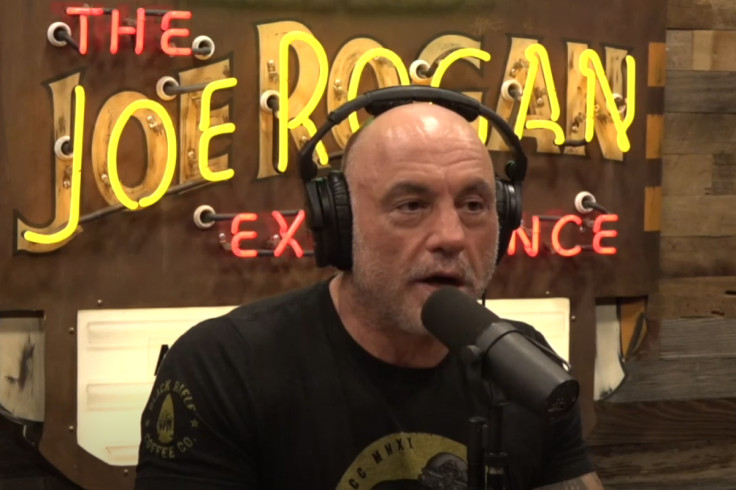
Joe Rogan is facing fierce criticism after claiming that measles is largely harmless, a remark that health experts say dangerously rewrites medical history. The backlash erupted after a recent podcast clip circulated online, prompting warnings that Rogan's comments could mislead millions.
The Controversy
The controversy centres on Rogan's recollection of childhood illness. Speaking casually, he suggested that measles was something everyone caught, recovered from in a few days, and then gained lifelong immunity.
On The David Pakman Show, host David Pakman reacted with visible frustration, saying, 'Something seems to be going very wrong with Joe Rogan when he talks about basic public health facts.'
Health professionals argue that Rogan's framing presents measles as a mild inconvenience rather than a highly contagious disease that once killed hundreds of people each year in the United States alone. By comparing measles to Covid outcomes and focusing on underlying health conditions, critics say Rogan glossed over the broader dangers of infection.
Why Rogan's Memory Does Not Match Reality
Pakman pointed out a crucial detail that undermines Rogan's argument: his age. Rogan was born in 1967, four years after the measles vaccine was licensed.
By that time, measles cases in the US had already fallen by more than 90 percent. Within a few more years, cases dropped by roughly 95 percent. Pakman explained, 'The reason Rogan remembers measles as no big deal is because the vaccine had already obliterated it.'
In other words, Rogan grew up protected by one of the most successful vaccination campaigns in modern history. Experts say his childhood experience reflects the effectiveness of vaccines, not the harmlessness of the disease.
Some commentators have also raised the possibility that Rogan may be confusing measles with chickenpox, a different illness that was commonly treated as a routine childhood infection during the 1970s and 1980s. There is no historical evidence, however, that measles was ever viewed as a benign rite of passage.
The Real Dangers of Measles Explained
Beyond the immediate illness, measles can lead to severe complications such as brain swelling, permanent neurological damage and fatal conditions that emerge years after infection. While natural infection can provide immunity, doctors emphasise that it comes at a high and unnecessary cost.
Vaccination, by contrast, offers strong protection without the risks associated with infection. Pakman summed it up by saying, 'The vaccine gives you immunity without the risk of brain damage or death, and that is the whole point.'
Public health officials also warn about measles' extreme contagiousness. Because it spreads so easily, very high vaccination rates are required to maintain herd immunity and protect vulnerable populations, including infants and people with compromised immune systems.
Misinformation Carrying Serious Consequences
Pakman highlighted the issue of survivor bias, noting that most people who caught measles did survive, but those who died are not around to tell their stories. This creates a false sense of safety when looking back.
While Rogan has defended himself as questioning mainstream narratives, health professionals insist that questioning facts without evidence crosses into misinformation. As Pakman remarked, 'To the extent that he remembers measles as harmless, that is because the vaccine worked, and maybe he should be grateful for that.'
© Copyright IBTimes 2026. All rights reserved.
- MOST POPULAR IN Trending