

White House Officials 'Didn't Believe Her Claims' as Guilfoyle Cited AI for Disputed Donor Texts: Report
The former US ambassador to Greece resigned after the White House requested her departure, while the authenticity and role of the messages remain unresolved
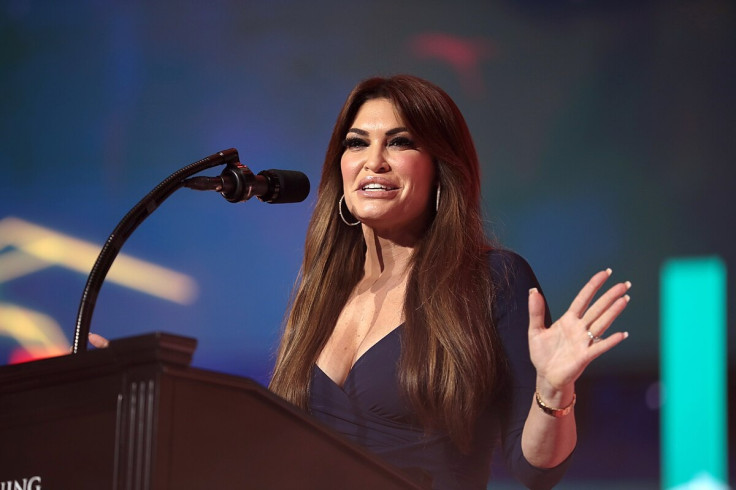
Kimberly Guilfoyle told White House officials that text messages at the centre of allegations she sought $100,000 from a Trump donor were AI‑generated, according to the Wall Street Journal, but officials did not believe her account, people familiar with the matter told the newspaper.
The White House had asked Guilfoyle to resign as US ambassador to Greece and she submitted her resignation on Tuesday.
The claim about artificial intelligence concerns messages at the centre of allegations that Guilfoyle sought $100,000 from donor Eric Deters shortly before her Senate confirmation hearing. The Wall Street Journal reported on the messages, which Deters supplied, while Guilfoyle's lawyer disputed their authenticity.
The AI Claim and Donor Texts
According to the report, Guilfoyle contacted White House officials after its initial report was published and said the messages had been generated by AI. The available reporting does not establish who created the disputed messages or independently resolve the disagreement over their authenticity.
The report does not specify whether Guilfoyle was alleging that screenshots had been fabricated using AI or that the messages themselves had been generated by AI. It was also reported that White House officials did not believe Guilfoyle's account, citing people familiar with the matter. The precise basis for their assessment has not been publicly established.
Deters alleged that Guilfoyle sought the payment while offering to help him gain access to senior administration officials.
Why Guilfoyle Resigned
Guilfoyle's resignation followed reporting by the Wall Street Journal about allegations concerning her conduct before and during her tenure in Athens. The reports included claims relating to gifts and services, an interaction with a Greek official and an alleged offer of access to senior US officials in connection with a payment request.
Guilfoyle denied wrongdoing in a post on X announcing her resignation. She wrote: 'These allegations are false, and I intend to vigorously defend my name, my reputation, and my integrity.'
The White House confirmed on Tuesday that it had asked Guilfoyle to resign. Press secretary Katie Zacharia described her as 'a wonderful asset to the team' and wished her well.
Trump had earlier said the administration was 'looking at' whether to fire Guilfoyle and added: 'We're not happy.' A White House official subsequently confirmed that her formal resignation had been received.
Politics, Pressure and Midterms
The controversy unfolded as Republicans prepared for the midterm elections. Republican strategists told The Hill that the reporting risked distracting the party from its campaign. The extent to which those political concerns influenced the decision to seek Guilfoyle's resignation has not been publicly established.
The dispute also raises questions about how claims of AI‑generated evidence should be assessed. In this case, the messages remain disputed: the Journal reported reviewing them, while Guilfoyle's lawyer challenged their authenticity.
Guilfoyle's lawyer disputed the authenticity of the messages but, according to the Journal's reporting, did not provide further details. That response does not resolve the dispute over their provenance.
ABC News reported that the State Department's Office of Inspector General was investigating allegations concerning Guilfoyle's conduct. The scope and eventual findings of that inquiry have not been made public.
The established sequence is that the White House asked Guilfoyle to resign and she submitted her resignation. The Journal reported that officials doubted her account of the messages, but the precise role of that account in the decision has not been publicly established.
© Copyright IBTimes 2026. All rights reserved.