Kristen Stewart Reveals Plans to Leave the US for Europe Over 'Terrifying' Proposed Film Industry Tariffs
Actress says US political climate is pushing creatives abroad
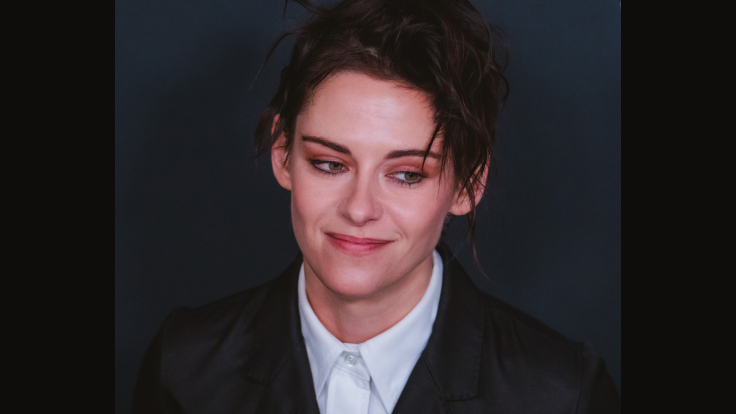
Hollywood actor and director Kristen Stewart has suggested she may relocate her filmmaking career to Europe, citing what she described as the 'terrifying' impact of proposed film industry tariffs under US President Donald Trump and the challenges of working freely within the current American cinematic landscape. Stewart's comments come as she promotes her critically acclaimed directorial debut, The Chronology of Water.
Stewart, 35, has spoken openly about the pressures facing filmmakers in the US, including political tensions and industry restrictions that she says could stifle creativity. Her decision to shoot The Chronology of Water in Latvia highlights the increasing appeal of European production environments for directors seeking both artistic freedom and financial support.
Why Stewart Says Filmmaking in the US Now Feels 'Impossible'
The 35-year-old, known internationally for her role in the Twilight franchise, said that she could 'probably not' remain in the United States while Trump occupies the White House, though she stressed she does 'not want to give up completely' on her homeland.
Stewart's shift toward directing has coincided with her experience mounting The Chronology of Water, a film adaptation of Lidia Yuknavitch's memoir about abuse, addiction, and survival that enjoyed a warm reception following its world premiere at the 2025 Cannes Film Festival.
Explaining her production choices, she said the drama would have been 'impossible to do in the States,' noting that she shot the feature in Latvia—a decision influenced by both financial and creative considerations.
Stewart also condemned the perceived obstruction in Hollywood's creative environment, telling the newspaper that her desire is to 'make movies in Europe and then shove them down the throat of the American people,' a remark that underscores her frustration with the current climate.
The 100 % Tariff Threat That Could Upend Global Filmmaking
Stewart's comments intersect with controversial economic policy proposals from President Donald Trump, who has sought to impose a 100 per cent tariff on films produced outside the United States — a move he has framed as a defence of American industry and national security.
Trump's argument centres on preserving domestic production and countering what he claims are incentives offered by other countries that draw Hollywood investment overseas. Critics, however, argue that such tariffs could be damaging or impractical, given the globalised nature of film production today.
Stewart characterised the potential policy as 'terrifying' for the industry, suggesting that creative exchange and international collaboration — long a backbone of contemporary cinema — could be jeopardised if such measures were enforced.
Industry observers note that Hollywood often relies on overseas production for everything from location shoots to tax incentives, and tariffs could have knock-on effects on jobs, financing, and audience reach—a concern echoed across creative communities.
Why Europe Is Becoming a Safer Bet for Independent Directors
Europe's film ecosystems — supported by a network of co-production treaties, tax incentives, and regional subsidies — have increasingly attracted filmmakers seeking creative freedom and sustainable financing. This environment contrasts with perceptions of a tightening US system, according to Stewart and others in the industry.
Indeed, Stewart's own experience shooting abroad reflects a broader trend of directors and producers leveraging international support structures to realise works that may struggle to find backing in Hollywood's risk-averse market.
Her remarks come amid broader industry conversations about the treatment of women in film, with Stewart noting that her transition from acting to directing has brought new respect and agency, a sentiment she articulated in a separate interview.
What Stewart's Warning Signals for Hollywood's Future
Stewart's candid critique highlights an intersection of politics, economics, and artistic expression at a pivotal moment for global cinema. While she remains open to projects in the United States, her emphasis on European filmmaking underscores concerns about creative agency in an era of political polarisation and protectionist policy proposals.
Whether her stance will encourage other industry figures to reconsider their professional bases is uncertain, but it reflects ongoing anxiety among artists about the sustainability and openness of the American film industry amid shifting cultural policy.
Stewart's evolving career — from mainstream Hollywood actor to internationally minded director — may signal a broader realignment in where and how storytellers choose to make their work, especially if political and economic pressures persist.
© Copyright IBTimes 2026. All rights reserved.
- MOST POPULAR IN Entertainment