Labour Blasted Over 'Utter Disgrace' Plan: Migrants To Reportedly Get New-Build Social Homes
Labour's asylum housing scheme ignites political fury as critics claim migrants get priority over British citizens
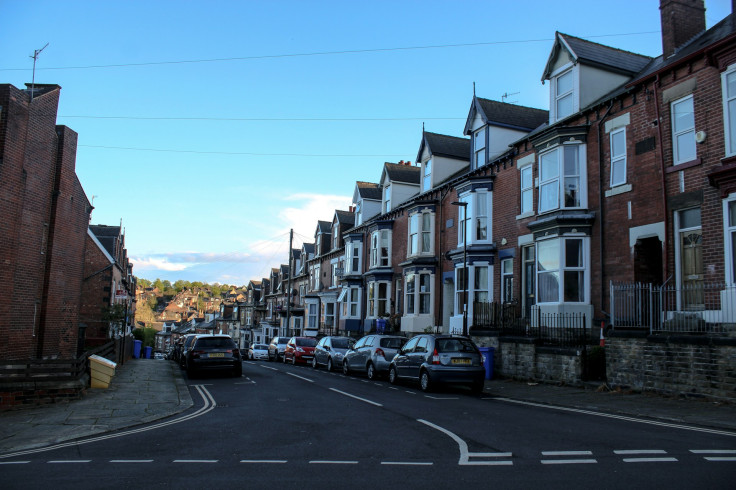
The British housing crisis has ignited a fresh political firestorm. Labour's ambitious £100 million pilot scheme to house asylum seekers in newly-built social properties has drawn fierce condemnation from Conservative and Reform politicians, who argue the Government is abandoning its own citizens in favour of recent arrivals.
The scheme, which has already generated roughly 200 expressions of interest from local authorities, would allow councils to construct new housing or refurbish existing properties exclusively for asylum seekers. Yet critics say the plan represents a staggering betrayal of millions of British residents languishing on housing waiting lists, veterans struggling for shelter, and vulnerable pensioners with nowhere to go.
Shadow Home Secretary Chris Philp minced no words. 'There are more than 1.3 million people on the waiting list for council housing and yet thanks to Labour, people who come to this country illegally will jump to the front of the queue,' he told The Express.
Putting Migrants Ahead of British Citizens
The political backlash reflects broader frustration over resource allocation at a time when housing insecurity affects ordinary British families. Mr Philp labelled the proposal an 'utter disgrace', asserting that 'Labour have no idea how to get the migrant crisis under control and instead are splurging more and more taxpayers' money to accommodate asylum seekers. Only the Conservatives have a BORDERS plan to fix the problem by leaving the ECHR and deporting all illegal migrants.'
Reform MP Lee Anderson proposed a starkly different approach, suggesting his party would 'end welfare benefit entitlement for foreign nationals and we will terminate Universal Credit payments'. He continued: 'When that grace period ends they will be expected to pay their own rent or vacate social housing in all but the most severe hardship cases. It's only right that those who have lived, worked hard and paid taxes in this country for their whole lives should be prioritised when it comes to social housing.'
The Government's handling of overseas-born residents in social housing has proven contentious. According to the 2021 Census, approximately 790,000 social housing households in England are headed by someone born outside the UK—a statistic critics have seized upon as evidence of misplaced priorities.
How the Housing Scheme Could Reshape Britain's Asylum Response
The pilot scheme permits councils to acquire additional properties, including those in new developments where sales have stalled, thereby expanding their overall social housing stock. This approach arrives as the Government prepares to wind down the use of hotel accommodation for asylum seekers, with plans to eliminate such facilities entirely by 2029, meaning displaced occupants will require alternative housing.
Currently, the Home Office is responsible for housing roughly 100,000 asylum seekers, with approximately 1.33 million households nationwide waiting for social housing. The Government has repeatedly pledged to 'close every asylum hotel' and is working with local councils to identify more sustainable accommodation options, including disused military bases.
A Government spokesperson defended the initiative: 'We do not recognise these figures and these are not official statistics. The vast majority of social homes in this country go to British nationals and priority is given to local people who need it most. People who arrive in the country illegally, or migrants on student or work visas cannot access social housing.' The spokesperson added that nearly nine in ten social homes are allocated to UK nationals.
The controversy reflects deeper anxieties about housing scarcity, immigration policy, and resource distribution across Britain. As the Government pursues its housing agenda, the political and public disagreement shows no signs of abating.
© Copyright IBTimes 2026. All rights reserved.
- MOST POPULAR IN National