

Met Police Pushes Ahead With Facial Recognition Rollout Despite Calls for Regulation First
Significant deployment of facial recognition technology planned despite legislative delays
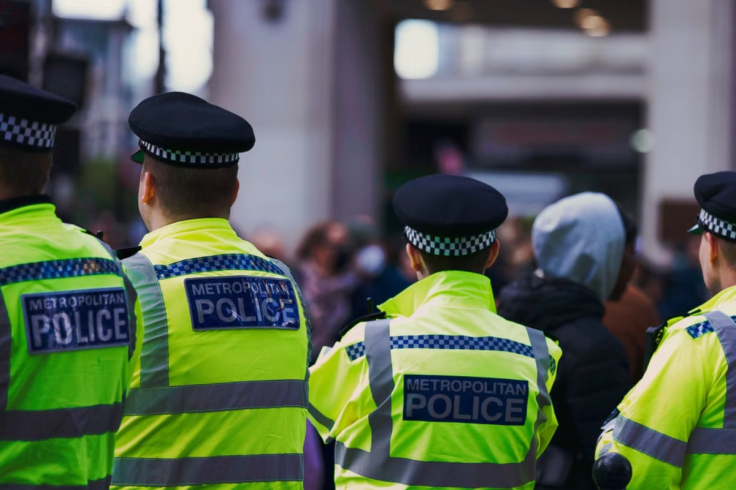
The Metropolitan Police is preparing to fit live facial recognition cameras across London's West End and Soho by the end of 2026. Commissioner Sir Mark Rowley has described the move as the most significant expansion of the technology since it first arrived in the capital.
The rollout is going ahead even though Britain's biometrics commissioners warned in May that dedicated legislation to govern facial recognition could still be three years away. Peers pressed the Home Secretary on the delay as recently as July, with no firm timetable given in response.
Static Cameras To Roll Out This Year
The new cameras will be static during deployments and attached to street furniture rather than mounted in the dedicated vans that have carried out much of the Met's facial recognition work so far. However, the cameras will not be permanently fixed in one location and can be moved according to crime patterns.
They follow a six-month pilot in Croydon, which the Met says ran from October 2025 to March 2026 and resulted in 173 arrests across 24 separate operations. The expansion also follows a High Court ruling in April, which dismissed a judicial review challenging the lawfulness of the Met's facial recognition policy.
The case, R (Thompson and Carlo) v Commissioner of Police of the Metropolis, found the specific policy under challenge compatible with the relevant human rights requirements, although the judgment is subject to a proposed appeal.
Funding and the Wider National Push
Funding discussions for the West End cameras are already under way with local business groups. New West End Company, a business improvement district, has separately committed £23 million to enhanced West End security over the next five years, alongside the Met's own budget.
The rollout sits inside a much larger national push. The Home Office has announced £140 million of investment in artificial intelligence technology for policing over three years, including £75 million for the PoliceAI programme.
The wider package includes £26 million for developing and delivering a national facial recognition system and funding for 40 additional live facial recognition units, with £11.6 million allocated to support live facial recognition capability and coordination.
The investment is intended to expand the use of AI and facial recognition technology across policing in England and Wales.
No Dedicated Comprehensive Law Currently Governs the Technology
The Home Office closed a 10-week public consultation on a new legal framework for police use of facial recognition in February, having floated a single new regulatory and oversight body to establish standards and strengthen scrutiny of the technology.
Ministers have since signalled that primary legislation, rather than revised guidance alone, is under consideration. The absence of a bespoke comprehensive statutory framework has not stopped the pace of deployment.
However, police use of facial recognition is already subject to existing legal requirements, including data protection and human rights law.
At a July hearing, Lord Foster of Bath, who chairs the Justice and Home Affairs Committee, questioned Home Secretary Shabana Mahmood about the delay, asking why 'it's all taking so long' and noting that the consultation had closed five months earlier without an outcome having been announced.
Jack Coulson, head of advocacy at civil liberties group Big Brother Watch, was more critical still. 'Legislation to regulate the police's use of facial recognition is expected in the autumn. Yet the police are rushing ahead with artificial intelligence monitoring of the public under their own rules.'
On Thursday 3rd September 2026 we are deploying Live Facial Recognition Technology to crime hotspots in Westminster borough.
— Westminster Police | Central West BCU (@MPSWestminster) September 3, 2026
The people we are seeking to locate at crime hotspots are set out in our policy, please read more.https://t.co/B3gpAdNZkS
How Widely the Technology Is Already Used
The Met's facial recognition network already checks passers-by against watchlists that can contain roughly 17,000 people, built mainly from custody images. The force says each deployment's watchlist is prepared no more than 24 hours in advance and that watchlist data is deleted afterwards.
The Met says the technology has helped lead to around 2,500 arrests since the start of 2024, including for violent and sexual offences.
Any potential match is reviewed by a human operator before officers act on it, rather than triggering an automatic stop.
If the West End rollout goes ahead as planned, it will significantly expand the use of live facial recognition in central London.
With the Home Office also funding a national facial recognition system intended to provide capability across England and Wales, how the Met's expansion is regulated under the existing legal framework, and whether further statutory safeguards are introduced, is likely to influence how the technology is used by other police forces.
© Copyright IBTimes 2026. All rights reserved.