

The Rise of the Robot Dog: UK's Construction Sites Prepare for a Futuristic Overhaul
McLaren Construction deploys Boston Dynamics' Spot robots for data collection and safety monitoring
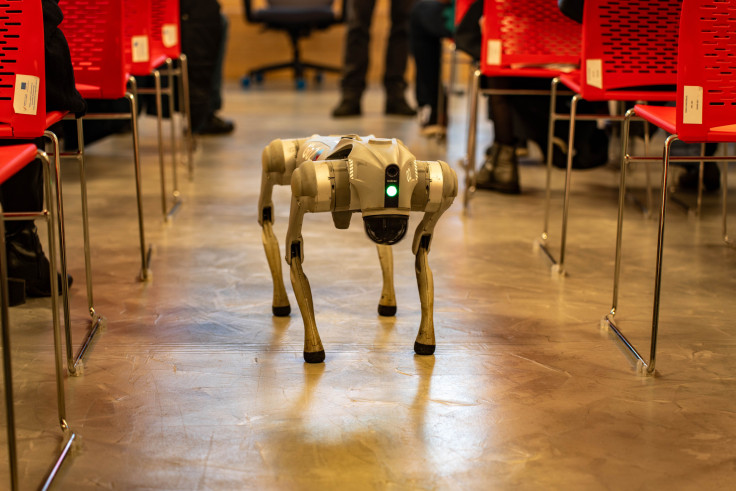
Construction sites are getting a decidedly futuristic makeover, with UK contractor McLaren Construction preparing to deploy autonomous robotic dogs across its live projects.
The four-legged machines are Boston Dynamics' Spot robots, fitted with technology from California-based robotics company FieldAI. Rather than simply being remote-controlled gadgets, the robots are designed to navigate construction environments autonomously while collecting data and carrying out monitoring tasks.
The development has already sparked a strong reaction online, with some people joking that construction sites are beginning to resemble scenes from a dystopian science-fiction film. But behind the striking appearance of a robotic dog wandering around a building site is a fairly practical goal: automating some of the repetitive inspection and documentation work currently performed by humans.
What Will the Robot Dogs Actually Do?
McLaren's initial plan is for the robots to capture 360-degree imagery and point-cloud data, allowing construction teams to monitor progress and compare what has actually been built with digital design models.
The machines will also be used for safety-compliance patrols and quality assurance. FieldAI's technology allows the robots to operate in changing environments, rather than relying entirely on fixed routes or previously mapped areas.
McLaren has already tested the technology on the Passivhaus refurbishment of the London School of Economics and Political Science's building at 35 Lincoln's Inn Fields.
According to McLaren's senior digital implementation manager Tom Gothard, autonomy was particularly important because the company did not want employees having to manage the robots throughout the day.
The idea is for a robot to conduct its assigned walk, collect the necessary information and return to a docking station when finished.
The Robots Could Spot Hazards Too
The technology isn't solely about keeping track of construction progress. McLaren has been exploring whether the robots can identify potential hazards, including blocked emergency exits, trailing cables, poorly stored materials and missing fire extinguishers.
That could allow safety teams to discover problems without requiring a member of staff to repeatedly walk around the entire site.
McLaren's Thomas Flannery said the company is also investigating more specialised applications. One example involves using the robot to scan steelwork for damage to intumescent paint, potentially allowing problems to be identified and addressed before teams move on to another section of the project.
The company expects the robots to operate mainly during quieter periods, such as lunchtime or after work finishes, reducing the likelihood of them directly interacting with workers.
Is This About Replacing Construction Workers?
Despite the inevitable jokes about robots taking people's jobs, McLaren's stated objective is not currently to replace its construction workforce.
Instead, the company says the robots could free employees from repetitive data-collection tasks and allow them to concentrate on work requiring human judgement and communication.
Gothard estimated that using the robot for photogrammetry could save between £30,000 and £35,000 ($40,500 and $47,200) a year on a project, while also freeing site managers to focus on health and safety, quality and conversations with workers and subcontractors.
McLaren is also exploring other forms of automation. The contractor plans to trial a bricklaying robot, with Gothard specifically describing the purpose as helping address skills shortages rather than replacing humans.
Why People Are Calling It 'Dystopian'
The sight of a mechanical dog autonomously wandering through a construction site naturally raises questions about surveillance.
A robot equipped with cameras and sensors can potentially capture far more information than a traditional inspection, including footage of workers who happen to be in its path. That makes data protection and privacy important considerations alongside the technology itself.
McLaren says its data security officer reviewed its agreement with FieldAI and that its project data will be stored on UK servers. The company also says FieldAI will not be permitted to use McLaren's data to train its AI model.
Those safeguards may address some concerns, but the wider debate is unlikely to disappear.
© Copyright IBTimes 2026. All rights reserved.