

Morrisons Crisis Deepens as Almost 5,000 Jobs Disappear While Supermarket's Debt Soars to £7.5bn
Supermarket giant Morrisons grapples with financial strain and market share loss
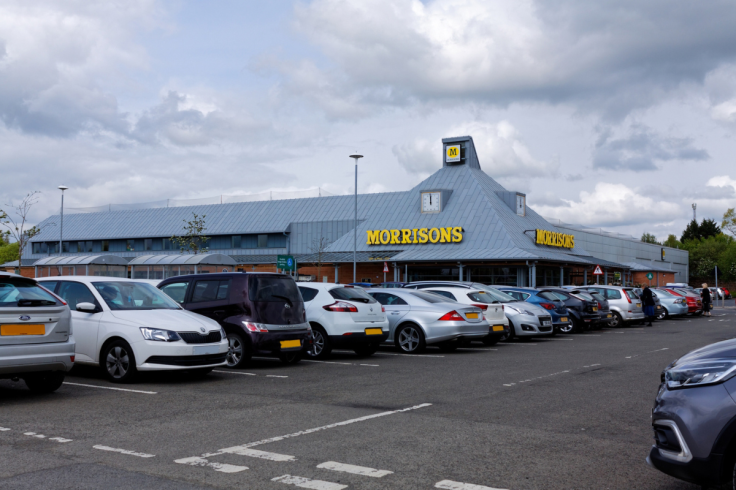
Morrisons' workforce fell by nearly 5,000 jobs in the year to October 2025 as its debt burden climbed to £7.5 billion, newly filed accounts reveal, underlining the pressure on the Bradford-based supermarket as it tries to stem losses.
The company's accounts, filed at Companies House, show that its average monthly workforce fell 5 per cent, from 101,144 to 96,232 employees, in the 12 months to October last year, a reduction of 4,912 jobs. More than 4,200 of those roles were in stores, with further cuts in food manufacturing and distribution.
A Morrisons spokesman said the drop primarily reflected the closure of its newspaper home delivery service, the restructuring of its retail people team and the downsizing of its Rathbones bakery business. He stressed there had been no additional redundancy programme in stores and that numbers there were reduced only by not replacing staff who left.
Debt Hits £7.5bn as Job Cuts Mount
Net debt rose from about £7 billion to £7.5 billion in the year to October 2025, driven largely by a jump in lease liabilities, which climbed from £1.75 billion to just under £2 billion. On its preferred measure excluding leases and preference shares, Morrisons reported net debt of £3.2 billion.
The supermarket, which operates roughly 500 larger stores and thousands of convenience outlets, said the increase in lease obligations was linked to an expanded vehicle fleet and the opening of new stores in the Channel Islands. It confirmed it had completed a sale-and-leaseback transaction on a small number of sites.
Group revenue rose 2.8 per cent to £15.7 billion, despite disruption from a cyber incident that caused an IT outage just before Christmas 2024 and hit product availability. Underlying earnings before interest, tax, depreciation and amortisation from continuing operations held steady at £835 million.
Even so, the supermarket swung to a loss, with reported pre-tax losses reaching £926 million for the year, or £629 million before exceptional items, according to separate figures in the filings. The roughly £300 million gap between reported and underlying losses was driven by one-off charges, including a £97 million write-down on its McColl's convenience chain, now rebranded as Morrisons Daily, which the company attributed to the cyber attack and asset write-downs.
A Morrisons spokesman said the grocer had increased like-for-like sales every quarter during 2025, maintained its share of the grocery market and kept Ebitda stable despite 'tough external headwinds' including rising inflation and government-driven cost increases. He added that the business had reduced its debt interest bill and remained 'robust.'
Staffing costs still edged higher despite the job cuts, with annual personnel expenses rising to £2.1 billion and employer National Insurance and other social security charges increasing by £30 million to £172 million. The company linked this to tax changes introduced under the current government.
Morrisons To Close 100 Stores as It Unlocks Property Cash
Earlier this year Morrisons announced plans to close 100 former McColl's newsagents, now trading as Morrisons Daily, with chief executive Rami Baitieh citing 'government policy choices' and an 'avalanche of costs.' The group has also been seeking to unlock cash from its property holdings, more than four fifths of which remain freehold, a ratio it describes as among the highest in the sector.
The retailer has previously disclosed talks over a potential £600 million sale-and-leaseback deal, though no binding agreement has been announced. The pressure comes as Morrisons continues to lose ground to German discounters, with the chain falling to sixth place in market share after being overtaken by Lidl, with Aldi already ahead of it.
Aldi and Lidl Overtake Morrisons as Market Share Slips
Once part of the UK's 'big four' supermarkets, Morrisons has seen its position eroded by the rapid expansion of discount rivals. The debt burden inherited from its £7 billion leveraged buyout by US private equity firm Clayton, Dubilier & Rice in 2021 continues to grow even as underlying trading holds broadly steady.
The latest figures paint a picture of a business caught between financial engineering and competitive pressure, with job losses and store closures representing the human cost of a turnaround that shows little sign of delivering a decisive recovery. Whether Morrisons can arrest its decline before its debt burden becomes unsustainable remains the central question for its private equity owners and for the thousands of workers whose livelihoods depend on its survival.
© Copyright IBTimes 2026. All rights reserved.