Last Orders? British Pubs Are Closing at Almost Two a Day as Rising Costs Force Landlords Out


Britain's traditional pub industry is facing another difficult year, with new figures showing that almost two pubs closed every day during the first three months of 2026 despite continued demand from customers. Industry leaders warn that soaring operating costs and a heavy tax burden are forcing many otherwise successful businesses to shut their doors.
According to the British Beer and Pub Association (BBPA), 161 pubs across England, Scotland and Wales closed between January and March, resulting in the loss of around 2,400 jobs. The closures follow the loss of 336 pubs during 2025, underlining the ongoing challenges facing one of Britain's most recognisable industries.
Rising Costs Continue to Squeeze Landlords
While many pubs continue to attract customers, landlords say rising costs are making it increasingly difficult to remain profitable.
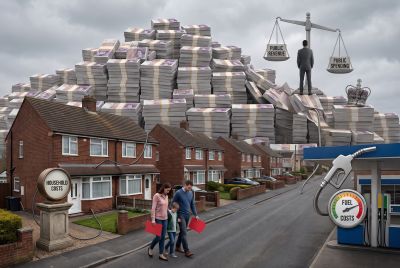
Businesses have been hit by higher wage bills, increased business rates, rising rents, more expensive food and drink supplies, soaring energy costs and inflation. At the same time, many households are cutting back on discretionary spending as the cost-of-living pressures continue.
Emma McClarkin, chief executive of the BBPA, said the industry's struggles are not due to a lack of demand.
'The scale of these closures is avoidable because pubs are doing a brisk trade, but their profits are wiped out by a disproportionate tax burden and huge costs,' she said.
McClarkin urged the Government to introduce long-term reforms, including a fairer tax system and permanently lower operating costs to help protect the sector.
A Derbyshire Pub Becomes the Latest Casualty
Among the businesses unable to withstand the financial pressure was The Tavern at Tansley in Derbyshire.
Landlord Gareth Richards announced the closure in a Facebook statement, saying the business had become unsustainable despite the support of loyal customers.
'Between rising costs in wages, VAT, business rates, rent, our stock and utilities, it is no longer sustainable for us to keep going,' he wrote.
'Even if we were getting more people through the door, we are fighting a losing battle against everything else.'
Richards thanked the local community for supporting the pub during its four years in business but said the financial reality had become impossible to ignore.
Residents said the closure was a loss for the village. One local customer, Rosie, said the pub had helped rebuild a sense of community through quiz nights, farmers' markets and local events.
'I wanted to support them more, but my finances have been such an issue recently,' she said. 'I'm counting every penny. It was far cheaper to stay at home, put a pizza in the oven and buy wine from the supermarket.'
Government Support Offers Some Relief
The Government has introduced several measures aimed at easing pressure on the hospitality industry.
Earlier this year, ministers announced a 15% business rates relief for eligible pubs and music venues, which came into effect last month. The Government has also pledged a two-year freeze on business rates increases, extended licensing hours during the FIFA World Cup and increased the Hospitality Support Fund to £10 million.
A Government spokesperson said the measures demonstrate its commitment to backing Britain's pubs while supporting high streets and local businesses.
However, industry leaders argue that temporary relief will not solve the structural challenges affecting the sector.
Scotland Sees the Biggest Decline
Regional figures show Scotland experienced the largest number of pub closures during the first quarter of 2026, losing 41 venues. Wales was the only nation in Great Britain to record a net increase in pub numbers over the same period.
The figures reflect broader pressures across the hospitality sector, where rising operating costs continue to outpace revenue growth for many businesses.
More Than Just Places to Drink
For many communities, pubs are far more than businesses.
They host charity events, quiz nights, sports screenings, live music and community gatherings, often serving as important social spaces that help tackle loneliness and bring neighbourhoods together.
As closures continue at almost two per day, industry leaders warn that without meaningful long-term reform, more communities could lose institutions that have formed part of British life for generations.
With costs continuing to rise and consumer spending remaining under pressure, the future of Britain's pubs may depend not only on customer support but also on whether policymakers can create conditions that allow the sector to survive and grow.
© Copyright IBTimes 2026. All rights reserved.
- Recommended For You