87-Year-Old Kent Potato Firm Wound Up as Britain Faces Growing Farm Crisis Due to Taxes, Drought and War
Financial pressures and climate issues threaten the future of UK farms
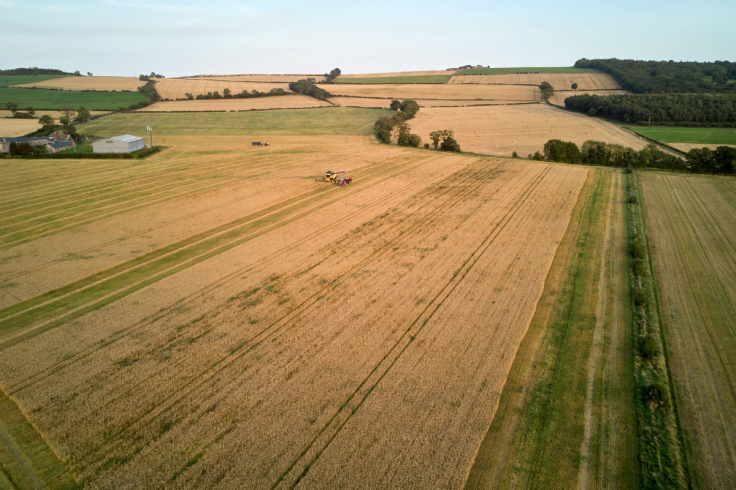
John Paine (Kent) Potatoes Limited was incorporated on 14 July 1939, according to the government records. But this year, the potato firm will be harvesting its last crops as the farm plunges into liquidation after 87 years. The Kent farm isn't alone as more farm owners have to give up their hoes and tractors for financial reasons.
According to reports, 177 farms were up for sale in the first half of this year. It was a record high over the same period since 2007. It is also 16% higher than the five-year average.
Small Farmers Are Gravely Affected
'It's generally smaller farms coming to market,' said Sam Holt of the Strutt & Parker land agent. 'It's been a really challenging few years for the farming industry.' In the case of John Paine Potatoes, the company voluntarily wound up.
Aside from potatoes, the business grew other vegetables, roots and tubers, and melons. Numerically, the farm's numbers weren't too bad, with financial obligations falling at just £5,000 ($6,729) and net assets listed as £1,162,894 ($1,564,953). However, the future is looking grim.
For one, changes made to the inheritance tax are hitting farmers badly because they are more 'land-rich but cash-poor.' The changes essentially cap inheritance tax relief at £2.5 million ($3.4 million) per person. Anything more than that will effectively have a 20% tax imposition.
However, farms make little profit. Experts are predicting that the mentioned tax changes could lead to more than 30% of UK farms possibly going out of business in the next five years. 'Downward pressure on farm incomes and rising input costs make you start to question how sustainable it is to run a (small) farm,' said Holt.
UK Heat and War Add to the Problems Too
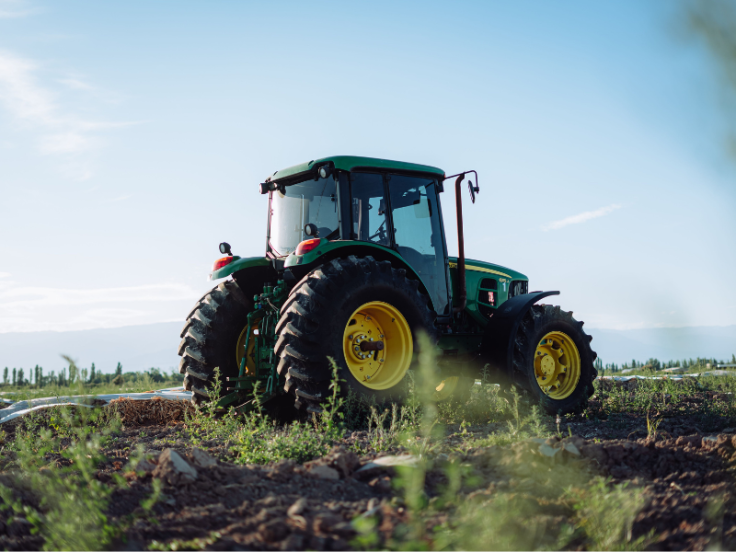
The war in the Middle East, which resulted in the closure of the Strait of Hormuz, has massively increased the cost of farm operations. Tractors and heavy equipment use diesel, which has increased by at least 25% since the US-Iran war. Prices of fertiliser have also immensely risen, and the UK imports 60% of nitrogen fertiliser.
The weather, too, is a massive farming problem. The National Farmers' Union (NFU) has already warned the nation of possible food shortages due to the extended drought. Access to irrigation has also been restricted because of the phenomenon.
'It does feel like there is going to be some shortages of (food) products,' said NFU President Tom Bradshaw. Importation of food products isn't a good option because of the global situation. 'Those other countries around the world that we currently rely on to produce our food and vegetables, their climates are changing as well,' he also said.
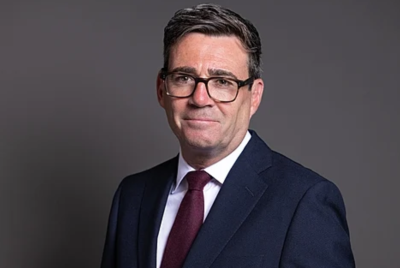
Some parts of the country haven't had rain in over a month, Bradshaw lamented. He asked Prime Minister Andy Burnham to quickly take action. A major aid Bradshaw hopes Burnham will provide is much-needed tax breaks so farms can build water storage systems. Agricultural reservoirs, farm water tanks or on-farm water storage ponds can help farmers prepare for future heatwaves.
'Farmers are telling us this is the worst harvest in years,' said Gavin Lane, president of Country, Land and Business Association, who also warned government leadership that this year could be the last harvest for many British farmers.
© Copyright IBTimes 2026. All rights reserved.
- Recommended For You