

UK Taxi Driver Spots Counterfeit Money by Touch, Drives Suspect Straight To Police
Police arrested the 23-year-old passenger and later found a knife and cannabis-growing equipment during a search of his address
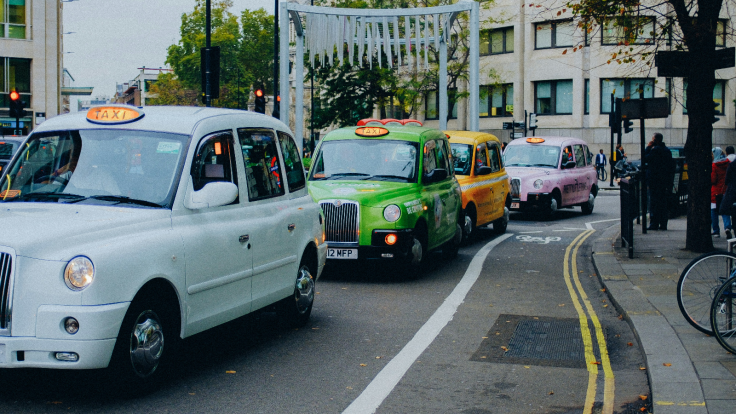
A sharp-witted Nottingham taxi driver has earned high praise from senior law enforcement after recognising suspected counterfeit banknotes by their physical texture and driving his passenger straight to a police station.
The late-night incident unfolded at approximately 11:30pm on Tuesday, 13 October 2026, when a 23-year-old passenger booked a private hire journey originating from Nottingham Road.
According to an official statement from Nottinghamshire Police on 15 October, the rider repeatedly changed his intended route during the journey, prompting the cabbie to ask how the fare would be settled.
When the passenger presented an allegedly bogus £20 note, the driver instantly recognised the forgery by the feel of the material in his hands, then handed him further counterfeit bills when he questioned the transaction.
Instead of proceeding to the requested stop, the motorist changed his coordinates and drove straight into the courtyard of Radford Road police station, where officers promptly arrested him on suspicion of using counterfeit currency.
A subsequent residential raid under warrant uncovered a deadly Rambo-style combat knife stashed beneath a mattress alongside illicit cannabis cultivation apparatus.
Neighbourhood Inspector Liz Gaskin, who covers the Radford area, praised the driver's actions. 'This was a fantastic piece of work by a Nottingham taxi driver,' she said. He said the driver's decision helped officers remove a potentially dangerous weapon from circulation.
How To Check a Suspected Counterfeit Banknote
The Independent's 16 October 2026 coverage of the taxi incident highlights several security features that can help people assess whether a Bank of England banknote is genuine, including transparent windows, holograms and raised print.
The banknotes feature a transparent window containing a portrait of either King Charles III or Queen Elizabeth II. Around the window, the note's value and the words 'Bank of England' appear twice. A silver hologram switches between the note's value and the word 'Pounds' when you tilt the note side to side.
Genuine notes also have raised printing, including the words 'Bank of England' and an area in the bottom-right corner.
These features can help with authentication, but if you're uncertain about a note, consult the Bank of England's official guidance rather than relying on a single visual or tactile check.
Why Counterfeit Notes Cannot Be Reimbursed
The Bank of England warns that counterfeit banknotes are worthless and cannot be reimbursed, even if someone accepted one without realising it was fake.
Anyone who suspects they have received a counterfeit note should contact the police. The Bank of England says officers should complete the relevant NCO-1 form and provide a receipt and incident number.
The National Crime Agency examines suspected counterfeit notes and, if they are confirmed as counterfeit, forwards them to the Bank of England for further investigation.
Most counterfeit notes are detected during routine cash authentication and sorting. Others are identified by retailers, members of the public or police officers conducting searches.
Australian Businesses Also Face Counterfeit Cash Concerns
Separately, news.com.au has reported concerns about counterfeit cash affecting Australian businesses, including bakeries, barbershops, supermarkets, and fast-food outlets.
The report describes increased counterfeit banknote detections and concerns that some fake notes are becoming more convincing. It also discusses businesses using detection devices and staff training to identify suspicious cash.
The Australian and UK banknote systems have different security features, so authentication advice for one should not automatically be applied to the other.
© Copyright IBTimes 2026. All rights reserved.