

She Reported Fraud to Her Bank. Then Scammers Called Back Using Details From the Genuine Alert
The Apple Pay request raised suspicions, so she contacted her bank directly
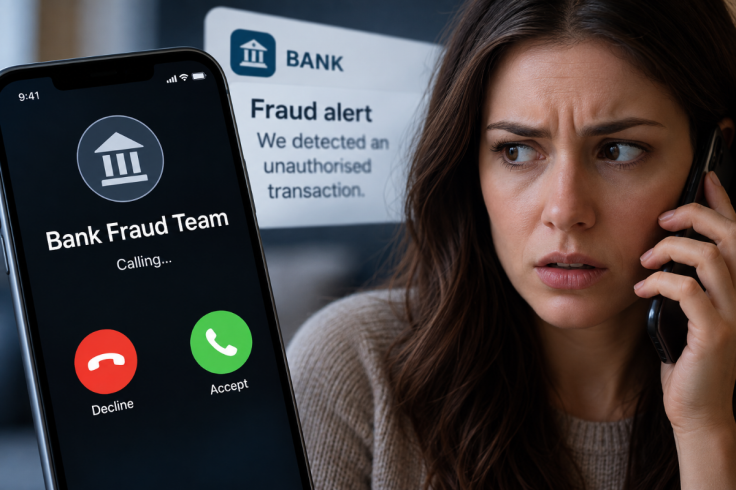
A woman who had just reported a fraudulent transaction says she was contacted again about an hour later by someone claiming to be from her bank.
The caller allegedly referred to the earlier incident and claimed there were new problems with her accounts, including a supposed attempted wire transfer and an unfamiliar device. She became suspicious when the caller began giving instructions about how to access her money, ending the conversation before contacting her bank through an independent channel.
According to her account, bank staff told her the second call was fraudulent and that the additional transactions and account changes described by the caller had not occurred.
The First Fraud Warning Was Genuine
The woman described the incident in r/Scams, where the post attracted more than 1,800 votes. She said the first warning appeared inside her genuine banking app and concerned an unauthorised $9.99 (£7.54) transaction.
She reported the payment through the app, spoke with the bank's fraud department, and had her card cancelled and replaced. About an hour later, she says another caller claimed to be from the same fraud department.
The caller allegedly referred to the earlier incident before claiming that a separate Ticketmaster transaction had appeared on the woman's checking account. The caller also allegedly said an iPhone 17 in Texas had accessed the account, that another person had been added to it, and that someone had attempted a $500 (£377) wire transfer. The woman says none of those additional events had actually occurred.
Spoofed Numbers Can Make Fake Bank Calls Look Genuine
The caller allegedly appeared on the woman's phone using the same fraud or lost-card number printed on her debit card. That does not prove the call came from the bank.
The Federal Trade Commission has warned that scammers can use caller ID spoofing to make a call appear to come from a trusted organisation, including a bank. It advises consumers not to rely on caller ID as proof of identity.
The FBI has issued similar warnings about impersonation schemes, saying scammers can spoof legitimate phone numbers and use other details to make fraudulent communications appear authentic. That creates a particular problem after a genuine fraud alert: the customer has already been primed to expect contact from the bank.
The Apple Pay Request Changed the Nature of the Call
The alleged caller eventually told the woman that her credit card, checking, savings, and money-market accounts would need to be closed and replaced. She was then instructed to set up Apple Pay so she could supposedly access her money while the accounts were transferred.
When she questioned the request, the caller allegedly warned that the alternative would be receiving a cheque by post and waiting up to 30 days. That was the point at which the woman decided to end the conversation and contact her bank herself.
The Federal Trade Commission warns consumers against moving money because someone claiming to be a bank representative says it is necessary to protect an account. It recommends stopping the conversation and contacting the financial institution through an independently verified number.
The Real Danger Is the Trust Created by a Genuine Alert
The most important detail is not that a scammer spoofed a bank number. That technique is already well documented. It is how the alleged scam was positioned immediately after a legitimate fraud investigation.
The Reddit user concluded that the timing was unlikely to be coincidence and believed the original fraudulent transaction had been deliberately used to create an opportunity for the second call. There is no independent evidence in the post, however, establishing how the alleged scammers knew about the earlier interaction or whether the initial transaction was specifically designed for that purpose.
The FBI has separately warned about 're-targeting' scams in which criminals contact people who have already been defrauded and use the earlier incident to establish credibility. For consumers, the lesson is straightforward: a caller knowing about a real fraud alert does not prove that caller is from the bank.
If an unexpected caller asks you to move money, disclose security information, or connect an account to another service, hang up and initiate contact with the bank yourself using an official channel.
© Copyright IBTimes 2026. All rights reserved.