

Nvidia Cleared to Sell H200 Chips to China, Resetting AI Power Dynamics
The decision aims to support US jobs while setting a precedent for other chipmakers like AMD and Intel

The global dynamics of artificial intelligence just saw a major shift. In a surprising turn, Nvidia has been granted permission to sell its flagship H200 chips in China, a move that could redefine the AI supremacy rivalry.
This decision has the potential to dramatically reset the balance of power within the rapidly evolving technology sector.
White House Reverses Course on AI Chip Ban
On Monday, President Donald Trump announced on Truth Social that he is lifting the export limits on Nvidia's H200 chips bound for China. This policy change marks a significant turnaround amid the broader commercial conflict that defines the relationship between the world's two foremost economies.
These sophisticated chips are essential for powering artificial intelligence applications. However, Trump also noted that the agreement does not cover Nvidia's highly coveted Blackwell chips or the upcoming Rubin chips.
Exports will be permitted to 'approved customers' provided certain national security requirements are met, Trump stated. He added that his government intends to use the same method when dealing with other chip manufacturers, including AMD and Intel.
The 25% Fee: US Seeks Cut of China Chip Revenue
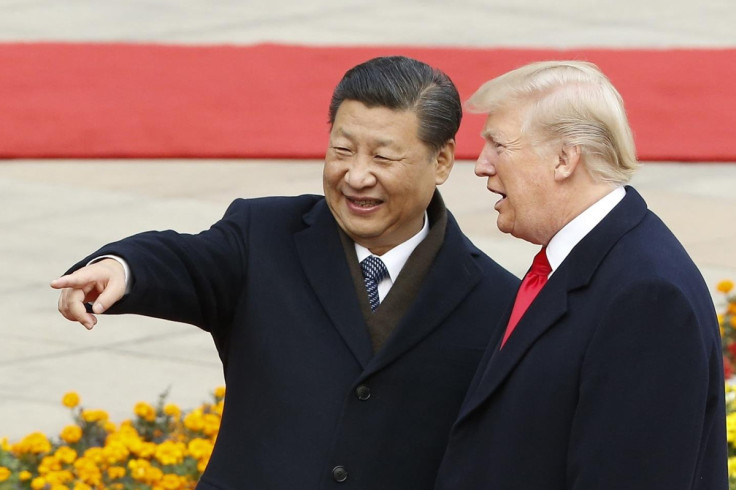
'This policy will support American Jobs, strengthen U.S. Manufacturing, and benefit American Taxpayers,' Trump said on Truth Social. 'I have informed President Xi, of China, that the United States will allow NVIDIA to ship its H200 products to approved customers in China, and other Countries, under conditions that allow for continued strong National Security. President Xi responded positively!'
The California-headquartered firm, Nvidia, released a statement suggesting the decision achieved a 'thoughtful balance' and would 'support high paying jobs and manufacturing in America.' Nvidia's stock value climbed by over two percent during trading outside regular hours, according to Al Jazeera.
BREAKING: The US will allow Nvidia to sell its H200 chips to China, per Semafor.
— The Kobeissi Letter (@KobeissiLetter) December 8, 2025
Nvidia stock, $NVDA, is surging on the news.
This is MASSIVE news if confirmed by Trump.
US chip companies may be back in China’s AI market very soon.
Buckle up. pic.twitter.com/YzT9j6VkvB
As the world's most valuable corporation and the top semiconductor producer, Nvidia has enjoyed significant prosperity amid the recent surge in AI demand. Yet this achievement has placed the company at the heart of worldwide debates over which nation will ultimately lead the race to control artificial intelligence.
Additionally, Trump included that '25% will be paid to the United States of America,' suggesting a quarter of the income generated by these Nvidia sales is intended to be directed to the American government.
AI Supremacy and Policy for Rival Companies
This development follows a meeting last week between Trump and Nvidia's Chief Executive, Jensen Huang. While China commits significant funding to its own native technology sector, Trump has consistently stressed the need for the United States to secure victory in the international competition for artificial intelligence.
The US has reportedly decided to approve exports of NVIDIA’s H200 chip to China.
— Tim Fist (@fiiiiiist) December 8, 2025
This gives Chinese AI labs chips that outperform anything China can make until ~2028.
How big a deal this is depends on how many we export.
Thread with key charts from our new report... pic.twitter.com/bc2poxLmxx
'We applaud President Trump's decision to allow America's chip industry to compete to support high paying jobs and manufacturing in America. Offering H200 to approved commercial customers, vetted by the Department of Commerce, strikes a thoughtful balance that is great for America,' an Nvidia spokesperson said in a statement to CNN.
Trump additionally mentioned that the Department of Commerce is completing an identical strategy that will apply to AMD, Intel, and various other US-based semiconductor enterprises.
Revenue Sharing and Government Ownership
This action follows similar deals Trump concluded with chipmakers earlier in the year, notably an accord with Nvidia and AMD under which they would give the US administration 15% of profits from selling certain chips to China. Furthermore, Trump declared in August that his government would acquire a ten per cent share in Intel.
© Copyright IBTimes 2026. All rights reserved.
- MOST POPULAR IN Technology


