Chick-fil-A Announces Major Overhaul Affecting Licensed Locations Nationwide
The chicken sandwich chain is converting its licensed stores by including them into the traditional operating system that the brand is know for
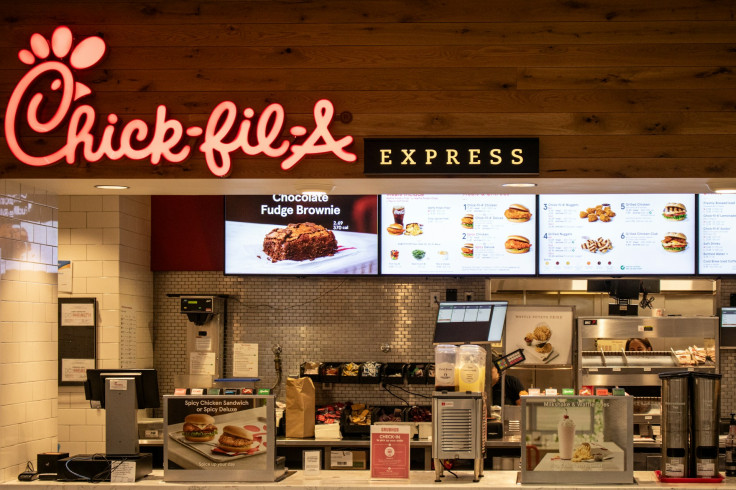
The American fast-food chain Chick-fil-A has announced a significant strategic restructuring that will see 425 of its licensed restaurants converted to its traditional owner-operator franchise model.
The move, which primarily targets venues in non-traditional locations such as airports and universities, is designed to standardise the customer experience and fully integrate the brand's digital ecosystem across its entire US footprint.
Purpose of the Business Model Restructuring
Chick-fil-A said that this significant change, which will be imposed on all of its stores in the US, stems from a strategy to unify the customer experience and fully integrate the chain's rapidly expanding technological offerings in local restaurants.
The transition is intended to ensure that Chick-fil-A's famous food menu and service are delivered consistently in all stores. This will also ensure that every customer experience, regardless of the restaurant's location, adheres to Chick-fil-A's overall top-tier standard for which it is globally known.
The Strategic Shift: How the New System Works
The company's strategy is targeting branches located in non-traditional settings such as universities, malls, hospitals, theme parks, and airports. By bringing them under the strict owner-operator system, the headquarters gets much better control to eliminate operational irregularities in the old licensed business model.
Under the new plan, the existing owners of the physical business assets. However, a local franchise operator is assigned and is given complete control over running the restaurant. That includes managing the staff and handling the daily tasks.
'At Chick-fil-A, our commitment to deliver an exceptional customer experience is at the heart of everything we do,' the company said in a press release. 'As we look to the future, we are evolving our strategy around non-traditional restaurants to align with our local ownership franchise model.'
'We remain committed to growing on college campuses and other non-traditional locations to continue to bring the Chick-fil-A brand to our guests,' the company added. 'We are excited about this next chapter and believe our local ownership business model will allow us to serve and care for guests and extend the great food and hospitality of Chick-fil-A in more places, for many years to come.'
Benefits for Customers and Employees
The brand's conversion plan is designed to deliver two major benefits: achieving comprehensive uniformity across all stores and providing full technological access to customers.
This is great news for customers because they will finally be able to use all of Chick-fil-A's digital tools. That includes ordering through the mobile app, joining the rewards programme called Chick-fil-A One, and redeeming gift cards for exclusive offerings.
Previously, these features were not available at licensed restaurants, so the change ensures a modern experience no matter which branch they visit. This shift also brings an important benefit to the people who work at these newly converted locations.
Once it is turned into an Owner-Operator system, its team members or crew will gain access to the Chick-fil-A Remarkable Futures Scholarships. This means that customers will not only get a better experience, but the company will also offer educational opportunities to its employees nationwide.
© Copyright IBTimes 2026. All rights reserved.
- MOST POPULAR IN Retail