

Pam Bondi Called Out to 'Resign' After 'Supposedly Redacted' Epstein Files Show Children Being Harmed
Public anger grows after DOJ Epstein file release shows photos of possible children

Disturbing images in the first public release of Jeffrey Epstein files have reignited calls for Attorney General Pam Bondi to resign, amid allegations that she failed to properly secure and redact material involving minors, after the US Department of Justice began disclosing documents under the Epstein Files Transparency Act — a law passed unanimously by Congress and signed by President Donald Trump requiring all unclassified records on the convicted sex offender to be released within 30 days — though the initial tranche included photos and other material critics say were poorly redacted and suggest the presence of children in sensitive contexts.
Controversial Images and Public Backlash
Photos released by the DOJ include a picture of Jeffrey Epstein in a relaxed setting with what appears to be a small child's leg visible in the corner.
⚡️An image from the Epstein files shows Epstein with a child visible in the picture.
— Suppressed News. (@SuppressedNws1) December 20, 2025
Honestly this is beyond depraved and disgusting. pic.twitter.com/yjlrWKQde4
The presence of such imagery in publicly accessible files has alarmed survivors' advocates and members of Congress, who argue that the materials should never have been accessible without rigorous victim-protective review.
A very young girl is seen sitting on Epstein’s lap in the newly released Epstein files.
— AF Post (@AFpost) December 19, 2025
Follow: @AFpost pic.twitter.com/ONOQsLjDVv
These concerns intensified after reports highlighted that at least 16 files were removed from the DOJ website less than a day after posting, including photos showing public figures, without explanation from federal authorities.
Democratic members of the House Oversight Committee separately released a batch of Epstein photos from the estate, noting that the official Justice Department rollout raised more questions than it answered about withheld material, while critics emphasised that, despite the sensitive nature of Epstein's crimes — he was convicted of sex trafficking of minors — the law mandates the release of all unclassified documents and prohibits redactions for reasons of embarrassment or political sensitivity.
Pam Bondi's Role and Growing Political Pressure
Pam Bondi, appointed Attorney General in 2025, has faced criticism over the scope and quality of the document release. In an official DOJ press release in February, she announced a first phase of Epstein files, which reportedly contained only around 200 pages of documents like flight logs and redacted contact lists.
Lawmakers questioned whether that initial phase met statutory requirements and whether further materials were improperly withheld. In May, Representative Dan Goldman, now ranking Democrat on oversight committees, sent Bondi a letter demanding detailed answers about redactions, possession of files, and interaction with White House officials regarding the documents.
Petitions for Bondi's resignation have grown in number and intensity. Some right-wing political commentators echoed calls for her to step down, accusing her of misleading the public about the contents and timing of the releases.
By not releasing the Epstein Files in full, Pam Bondi chose to protect an adjudicated rapist over children who were raped.#DemsUnited pic.twitter.com/2d1amNrDd7
— BMcArthur (@bmcarthur20) December 20, 2025
Meanwhile, bipartisan legal warnings have been issued. Representative Ro Khanna, co-sponsor of the Epstein Files Transparency Act, publicly threatened prosecution for officials who conceal or excessively redact materials beyond what the law allows.
The Justice Department has defended its actions by citing the need to protect victims' personal information and ongoing investigations, claiming that redactions and selective withholding are legally necessary. Deputy Attorney General Todd Blanche said the DOJ is processing hundreds of thousands of pages and will provide further releases 'over time'.
Incomplete Files, Redaction Controversies and Missing Materials
Critics have highlighted substantial redactions and missing documents as evidence that the release may be insufficient, noting that over 550 pages in the initial tranche are fully redacted and key content — including FBI victim interviews, internal memos on prosecutorial decisions, and potentially relevant grand jury testimony — remains unavailable or obscured, prompting accusations of non-compliance with congressional intent.
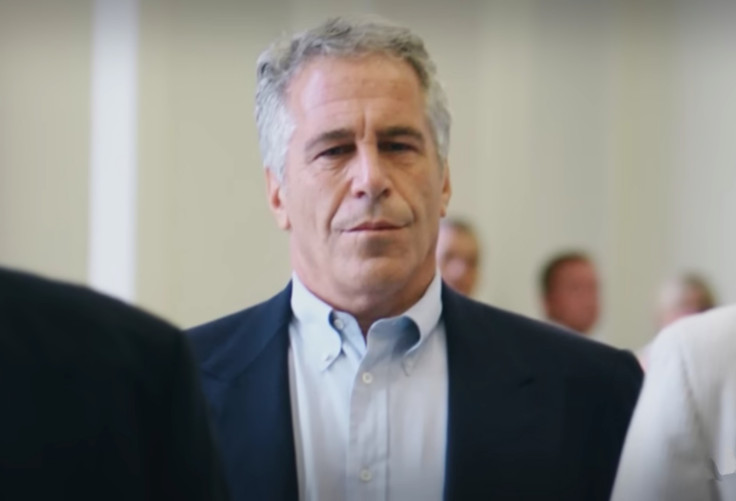
The removal of photos, including those depicting powerful political figures, from the DOJ's public portal without notice has intensified concerns among lawmakers, with House Democrats demanding clarity on the missing files and whether additional materials are being withheld, while advocacy groups and survivors have criticised the release for providing limited insight into Epstein's criminal network and including disturbing images that appear to show minors, turning the issue into a broader political and legal clash centred on Pam Bondi, whose critics argue that the failure to secure and properly redact sensitive images underscores the need for accountability at the highest levels of the Justice Department.
© Copyright IBTimes 2026. All rights reserved.