

Prince Andrew Warned Selling Royal Treasures Would Trigger 'Immediate Fallout' — Here's Why
Ex-Prince Andrew warned selling royal treasures risks immediate palace fallout and constitutional crisis

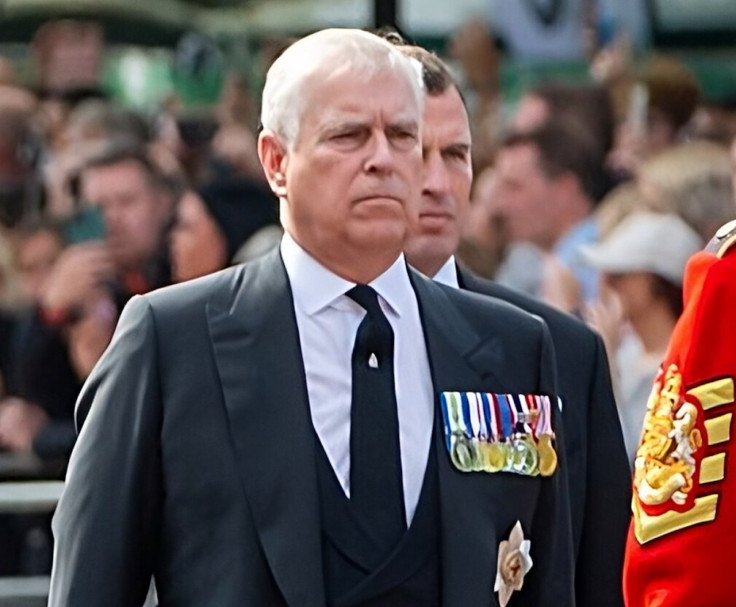
The prospect of Prince Andrew converting priceless royal possessions into quick cash has set off alarm bells within palace circles. As the disgraced duke and his ex-wife prepare to vacate Royal Lodge — their 30-room mansion on Windsor Great Park — whispers of a potential auction have prompted senior courtiers to issue stark warnings about the consequences of such a move.
According to sources close to the situation, palace legal experts have quietly mobilised to monitor what the former couple might do with their chattels. What began as speculation about clearing house has evolved into a genuine constitutional concern. The reason is straightforward: allowing sensitive royal items — particularly private correspondence and jewellery — to enter the open market would unleash reputational chaos at a moment when the monarchy is already navigating treacherous waters.
The timing couldn't be more fraught. Andrew has faced relentless scrutiny over his friendship with Jeffrey Epstein, while Sarah Ferguson's well-documented financial struggles have been the subject of tabloid fascination for decades. Now, faced with a significant downsize from their sprawling estate to a five-bedroom farmhouse, the temptation to monetise their possessions would be understandable. The problem is, it would be politically toxic.
Why Private Letters and Jewellery Matter
A source familiar with palace thinking explained the stakes plainly: 'The appearance of even a single item would trigger immediate and widespread fallout. But Andrew and Sarah seem intent on turning the Lodge into some sort of pawn shop by collecting together goods they think they can auction off to the highest bidder.'
What makes this scenario so alarming for the institution is not merely the loss of objects, but what those objects represent. Private letters exchanged between family members carry sensitive information that could easily be weaponised by media outlets and royal biographers. Jewellery pieces, meanwhile, often carry their own historical narratives — gifts from heads of state, heirlooms tied to significant constitutional moments, or items with deeply personal significance.
The distinction is crucial: items technically owned by Andrew and Sarah are their legal property, yet their auction would still be perceived as a breach of royal discretion and an act of commercial opportunism. At a time when King Charles III is working to modernise the monarchy and rebuild public trust, the optics of family members cashing in on their proximity to the crown would be catastrophic.
How Far Will They Go?
Removing vans have reportedly been spotted entering and exiting Royal Lodge's gates throughout this week, fuelling speculation about what exactly is being catalogued and potentially prepared for sale. The palace's decision to station legal monitors on standby suggests officials are not taking this lightly. They appear to be preparing contingency plans should Andrew or Sarah actually follow through.
The question now is whether the ex-couple will genuinely attempt such a bold manoeuvre. Financial pressures have clearly taken their toll — Sarah has long relied on commercial ventures to shore up her finances, while Andrew's limited income means he must find ways to maintain his lifestyle. Yet the palace's transparent anxiety indicates that even discussing such possibilities has created friction at the highest levels.
For now, it appears to be a standoff. Palace officials are watching carefully, legal eagles are at the ready, and Andrew and Sarah continue packing. Whether restraint will ultimately prevail remains uncertain. What is clear, however, is that the monarchy is not prepared to sit idly by if the line between private property and royal property becomes dangerously blurred.
© Copyright IBTimes 2026. All rights reserved.