

Report Claims Trump Tried, And Failed, to Scrub His Name From Epstein Files
Trump notified of name in Epstein files, suppression efforts fail
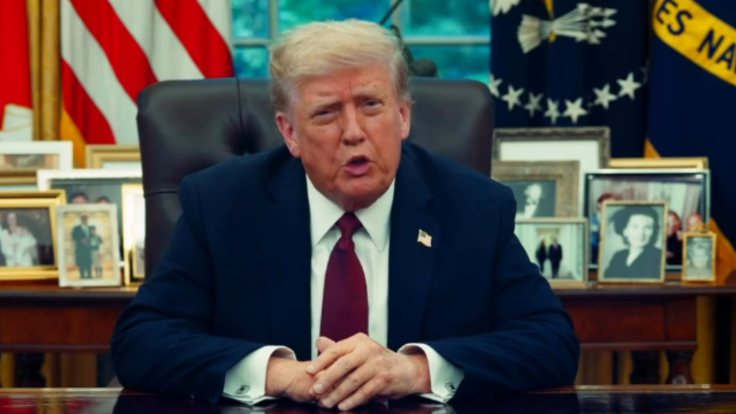
Trump was told his name appeared repeatedly in federal files on convicted sex offender Jeffrey Epstein and sought to limit public access to those records, according to government sources and legal filings.
New information drawn from direct reporting, court documents, government press releases and documented lawsuits shows that senior Justice Department officials briefed President Trump in May 2025 on the presence of his name in the so-called 'Epstein files', a large corpus of investigative records compiled by the Federal Bureau of Investigation (FBI) and the Department of Justice (DOJ).
The files include materials collected during federal investigations into Epstein's alleged sex-trafficking networks. Epstein was arrested on federal charges in July 2019 and died by suicide while in federal custody later that year.
Justice Department Briefed Trump on Mentions in Files
According to direct reporting from Time and The Wall Street Journal, Attorney General Pam Bondi and Deputy Attorney General Todd Blanche met with Trump in May 2025 to inform him that his name appeared multiple times in investigative files related to Epstein. Officials characterised the references as unverified and not evidence of criminal conduct.
The briefing came amid a broader DOJ review of more than 100,000 pages of information, which included emails, flight logs, phone books, grand jury materials and internal memos collected over nearly two decades of federal investigation. Senior federal officials also reportedly advised the president that they did not plan to release further files owing to the presence of child pornography and sensitive victim information, a decision grounded in legal obligations to protect privacy and comply with law enforcement secrecy rules. Trump publicly denied that he had been told his name was in such files and suggested the reports were 'fake news' when questioned by reporters, a statement that directly contradicts accounts from DOJ sources.
Redactions and Legal Barriers to Public Disclosure
As DOJ prepared for potential public disclosure, FBI Freedom of Information Act (FOIA) officers reportedly redacted the names of Trump and other high-profile figures from documents slated for release, citing privacy protections for individuals who were private citizens at the time investigations commenced. The FBI's efforts to balance transparency with legal obligations are documented in internal correspondence and discussed in letters from senators to Attorney General Bondi demanding clarity on redaction standards.
Despite the vigorous review, DOJ ultimately concluded in July 2025 that 'no further disclosure would be appropriate or warranted', categorically limiting access to additional Epstein records. The department's final position cited federal statutory provisions protecting privacy and maintaining victims' safety.
In response to media reports about his alleged presence in Epstein materials, Trump filed a high-profile defamation lawsuit in federal court against The Wall Street Journal, its owner and individual executives in July 2025. The complaint alleged that the newspaper published false statements about a purported sexually suggestive letter bearing his name in Epstein's collection.
Trump's lawsuit emphasises the broader political and legal battles surrounding disclosure of the files. He characterised the reporting as defamatory and sought £8.0bn ($10bn) in damages, asserting reputational harm. The case is now before the United States District Court for the Southern District of Florida in Miami, where motions and filings are public docket entries. Court documents from that case are accessible via PACER.

Political and Public Response
Political reactions to the disclosure and associated legal battles have been sharply divided. Some Republican supporters have criticised DOJ's reluctance to publish more records, arguing it fuels speculation. Others have withheld judgment, urging caution on matters involving legally protected information. Democrats and victims' rights advocates have demanded accountability and full transparency, suggesting that delays undermine public trust.
Although Trump's efforts to limit or manage the disclosure of records mentioning his name in the Epstein files were asserted by political allies and pursued legally, they did not ultimately prevent the implementation of a congressional transparency law and partial public release of the documents.
The complex interplay of legal obligation, political pressure and public demand for transparency continues to shape the evolving Epstein records saga.
© Copyright IBTimes 2026. All rights reserved.