

South Korea's Kim Keon-hee: From Art Advocate to Prison Sentence in Corruption Trial
Her husband is also scheduled to hear his verdict in three weeks
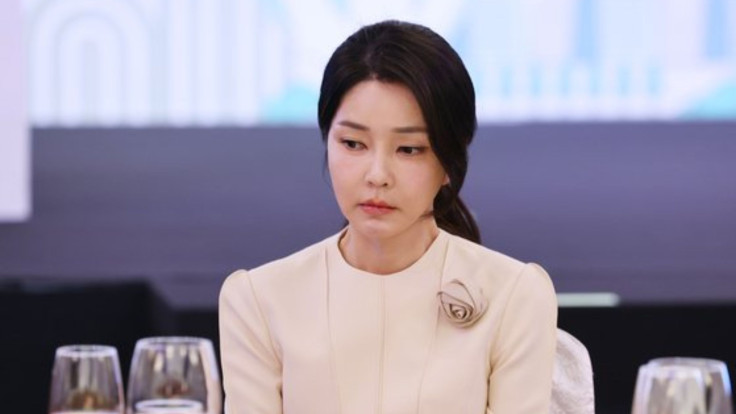
Former South Korean first lady Kim Keon-hee, wife of ex-President Yoon Suk Yeol, has been sentenced to 20 months in prison after a Seoul court convicted her on corruption charges related to bribes accepted in exchange for business favours. The ruling, delivered on Wednesday, 28 January 2026, marks a dramatic fall from grace for a once-prominent figure in South Korea's cultural and political mainstream.
Kim's conviction centres on allegations that she received gifts — including luxury items — from officials of the Unification Church in return for influencing decisions that favoured the organisation. While prosecutors had sought a much harsher 15-year sentence on charges including stock price manipulation and political funding violations, the court acquitted her on several counts, including stock fraud, citing insufficient evidence.
A Controversial Rise and Fall
Kim, 53, first drew widespread public attention as the spouse of Yoon Suk Yeol, a conservative politician who served as president from 2022 until a tumultuous period that culminated in his removal from office in 2025. Throughout her husband's tenure, Kim cultivated a public image as an art and culture advocate, often at the helm of painting a polished, socially engaged face for the presidential family.
However, her reputation was repeatedly clouded by scandals alleging improper influence and corrupt practices, particularly involving high-end gifts from religious groups and ties to financial schemes. These allegations intersected with broader investigations into political and elite networks in Seoul, sparking public debate about corruption at the highest levels of power.
The Court's Verdict and Its Implications
Multiple reports cite that the Seoul Central District Court found Kim guilty of accepting bribes from Unification Church officials in return for business favours but acquitted her of other serious charges due to a lack of evidence. Prosecutors had argued that the former first lady's conduct had 'undermined public trust' and warranted a lengthy prison term.
The 20-month sentence is considerably lower than the maximum term sought by the special counsel, but it nonetheless represents a significant legal rebuke. Kim has denied all wrongdoing, and her legal team has signalled that it is considering an appeal.
This ruling comes weeks before a separate verdict is expected in another high-profile case involving Yoon himself, who is currently facing trial on charges of insurrection and other offences related to an attempted imposition of martial law in December 2024. Prosecutors in Yoon's case have sought severe penalties, including a possible death sentence, though his legal team continues to dispute the charges.
Trial of a Presidential Couple
The legal proceedings against Kim and her husband are unprecedented in South Korean history, marking the first time both a former president and first lady have been prosecuted and detained simultaneously. Their trials have captivated the nation and sparked intense political debate.
Kim's case also reflects broader concerns about the relationship between politics, religion and financial influence in South Korea. The Unification Church, often viewed controversially within the country, featured prominently in the prosecution's argument that luxury gifts and favours constituted a form of bribery meant to curry influence.
Public Reaction and Political Fallout
The verdict has prompted a wide range of reactions domestically. Some South Koreans have welcomed the court's decision as a necessary assertion of accountability for elites long perceived as above the law. Others, especially supporters of the former first couple's conservative political base, have criticised the proceedings as politically motivated or excessively punitive.
Political analysts suggest that the handling of Kim's case — and the near-simultaneous legal challenges to Yoon — could reshape public trust in government and influence future electoral dynamics, especially as debates about corruption, transparency and judicial independence continue to simmer.
© Copyright IBTimes 2026. All rights reserved.