

Trump Freezes $10bn Wind Farms in Security Row, Jeopardising Power for 600,000 Homes
Dominion Energy shares plunge 4% following suspension of projects
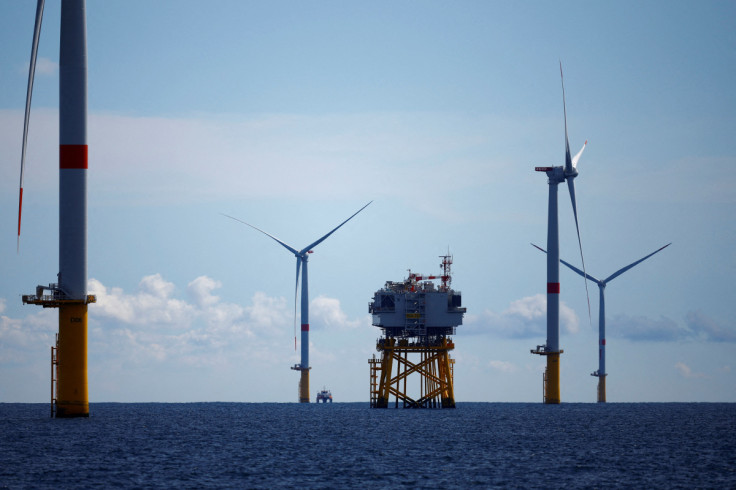
The Trump administration halted five major offshore wind projects worth an estimated $10 billion (£7.9 billion) along the US East Coast on Monday, citing national security concerns from classified Pentagon reports.
The suspension, announced by Interior Secretary Doug Burgum, immediately affects projects capable of generating nearly six gigawatts of electricity.
Markets reacted swiftly. Dominion Energy shares tumbled nearly 4%, whilst Denmark's Orsted plunged 11%. Norway's Equinor fell approximately 1%, according to CNBC.
The affected projects include Coastal Virginia Offshore Wind, the largest offshore wind scheme in the United States. Also halted: Vineyard Wind 1 in Massachusetts, Revolution Wind in Rhode Island and Connecticut, and two New York projects, Sunrise Wind and Empire Wind 1.
Virginia's Largest Clean Energy Project Now in Limbo
Coastal Virginia Offshore Wind was designed to be a powerhouse. The project features 176 turbines positioned 27 miles off Virginia Beach, built to supply electricity for more than 600,000 homes. Construction was on track to finish in 2026.
Virginia needs the energy. Northern Virginia hosts the world's largest data centre cluster, and power demand has been skyrocketing as artificial intelligence expands.
Dominion Energy didn't hold back in its response. 'Stopping CVOW for any length of time will threaten grid reliability for some of the nation's most important war fighting, AI, and civilian assets,' the company said, directly challenging the administration's security claims.
Burgum defended the decision, claiming it addresses 'emerging national security risks, including the rapid evolution of the relevant adversary technologies, and the vulnerabilities created by large-scale offshore wind projects with proximity near our east coast population centres', per NPR.
But the Interior Department offered no classified details in its public statements, instead pointing to unclassified reports about radar interference.
Radar Claims Draw Sharp Pushback From Security Experts
The official justification centres on radar 'clutter'. According to Interior, turbine blades and reflective towers create interference that obscures legitimate moving targets and generates false readings.
Kirk Lippold, a national security expert and former Commander of the USS Cole, wasn't buying it. He noted these projects 'were awarded permits following years of review by state and federal agencies', including the Coast Guard, Naval Undersea Warfare Centre, and the Air Force.
'The record of decisions all show that the Department of Defense was consulted at every stage of the permitting process,' Lippold argued, suggesting the projects would actually enhance national security by diversifying America's energy supply, according to CNN.
Virginia Senators Mark Warner and Tim Kaine, who serve on the Senate Intelligence and Armed Services committees, were blunt. The administration had 'failed to share any new information' justifying the abrupt halt, they said.
Today, the Trump administration halted all offshore wind projects, including one off Virginia’s coast that’s practically done — jeopardizing billions in investment and thousands of jobs, and raising energy costs.
— Mark Warner (@MarkWarner) December 22, 2025
You gotta wonder what’s really behind it.
Second Attempt After Court Strikes Down First Block
This isn't the Trump administration's first go at stopping these projects. Just two weeks ago, a federal judge struck down the president's executive order blocking offshore wind development, calling it unlawful.
Revolution Wind in Rhode Island and Connecticut is already 80% complete. Vineyard Wind 1 off Massachusetts has approximately half of its 62 turbines operational. Both were on track to deliver power to hundreds of thousands of homes.
Now everything's frozen.
Senate Minority Leader Chuck Schumer condemned the move as 'irrational', warning it would spike energy bills across affected states, CBS News reported.
Donald Trump is trying AGAIN to kill thousands of good-paying union jobs and raise your electricity bill.
— Chuck Schumer (@SenSchumer) December 22, 2025
I have been fighting Trump’s war against offshore wind—a war that threatens American jobs and American energy. I will keep fighting to make sure these projects, the… pic.twitter.com/bif9JMkzWG
Ted Kelly of the Environmental Defence Fund accused the administration of 'illegally blocking clean, affordable energy' whilst simultaneously propping up 'ageing, expensive coal plants that barely work and pollute our air'.
Trump has made his position on offshore wind clear since day one of his presidency, ordering a halt to all new leases and permits pending federal review. His administration has consistently prioritised fossil fuels over renewable energy sources.
The pause gives the Interior Department time to 'work with leaseholders and state partners to assess the possibility of mitigating the national security risks', according to Monday's announcement. But with billions of dollars in investment and thousands of jobs hanging in the balance, the affected companies and states aren't waiting quietly.
© Copyright IBTimes 2026. All rights reserved.