Trump's £1,000 Retirement Windfall? How New Government Match Could Supercharge Your Savings
Exploring the potential impact and challenges of Trump's proposed retirement savings expansion.
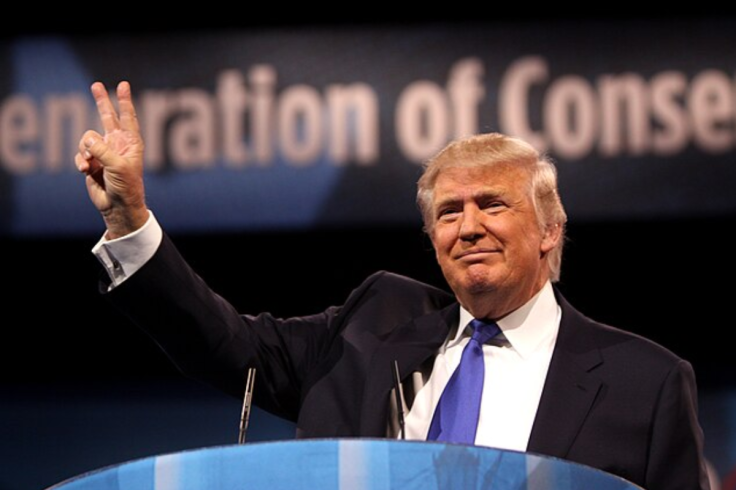
Millions of workers who have long lacked access to employer-backed pension benefits watched President Donald Trump's bold economic pitch electrify the chamber during his annual address to Congress, transforming a typically technical policy issue into a headline promise about retirement security.
President Trump used his 2026 State of the Union to propose a far-reaching expansion of retirement savings that could reshape how millions of workers plan for the future. For many Americans excluded from workplace pension schemes, this offer of a government match of up to £1,000 ($1,000) each year represents both hope and uncertainty about what the future holds.
The proposal reflects growing concern among policymakers that a significant portion of the workforce remains unprotected as they approach retirement. Indications are that a government-backed retirement match could be transformational for workers previously left out of employer plans, but key questions remain over funding, legislative approval and long-term impact.
Government Match Could Extend Pension Access To Millions
President Trump told lawmakers that only half of working Americans have access to retirement accounts with an employer match, a gap he described as a 'gross disparity' at the heart of America's retirement crisis. He said his administration intends to offer a federal retirement scheme modelled on the Thrift Savings Plan used by federal employees, with the government matching individual contributions of up to £1,000 each year.
The White House proposal, outlined during the address, would create an avenue for workers without employer-provided retirement benefits to build savings in a structured account that invests in stocks and bonds. Trump said the plan would allow 'often forgotten American workers... access to the same type of retirement plan offered to every federal worker', and emphasised that the match would help ordinary Americans benefit from stock market growth.
Analysts estimate that the retirement shortfall affects roughly 54 million private-sector workers who do not currently receive a workplace retirement plan. Under the new proposal, these workers could start contributing to federally backed accounts beginning next year, plugging a gap that has left many without meaningful savings as they near retirement age.
Supporters contend that a government match offers a rare opportunity to strengthen retirement security for lower- and middle-income earners who have historically been excluded from conventional pension systems. They point to evidence that even modest employer matches can significantly increase participation and savings levels in defined-contribution plans.
Legislative Hurdles And Funding Questions
Despite the enthusiasm among some advocates, the plan faces formidable obstacles in Washington. Under current law, federal authorities can establish retirement accounts for workers but cannot unilaterally allocate funds for a broad government match without congressional approval. Certain provisions in legislation such as the Secure 2.0 Act, signed in 2022, already provide a baseline 'Saver's Match', a federal contribution to retirement accounts for qualifying workers, but participation and impact have been limited because many workers lack eligible accounts in the first place.
The Trump administration's proposal may require Congress to authorise the appropriation of new funds or modify existing laws to implement a universal £1,000 government match. Lawmakers will need to decide whether they are prepared to commit taxpayer resources towards subsidising personal retirement savings on such a scale. Questions about how the plan will be financed, whether through reallocation of existing budget lines, new revenue streams or deficit spending, remain unanswered.
Critics in both parties have already voiced scepticism. Some economists warn that without mandatory automatic enrolment or incentives that reach workers living paycheque to paycheque, the plan's potential impact could be muted. Low-income workers may find it difficult to contribute even modest amounts, rendering the £1,000 match unattainable for many. Others argue that the government should focus instead on strengthening Social Security and existing public pensions rather than expanding subsidised private accounts.
Impact On Workers And The Broader Economy
For ordinary workers outside the protected sphere of employer retirement benefits, the promise of a government match represents a potential lifeline. Current data suggest that many Americans have limited savings, with median account balances far below what is considered secure for retirement. Although Trump's speech highlighted a rise in average 401(k) balances, a point widely noted by proponents, the benefits of market gains have been unevenly distributed, with many low- and moderate-income savers seeing little participation.
Proponents argue that a government-matched plan could not only boost individual savings but also encourage wider financial participation among workers who have traditionally shunned retirement planning due to cost or complexity. A structured retirement vehicle backed by federal support could offer diversified investment options, reduce friction and provide an incentive to save earlier and more consistently.
However, economists caution that simply expanding access does not guarantee improved retirement security. Participation requires that workers have discretionary income to contribute, a factor that correlates strongly with broader economic conditions including wage growth, inflation and housing costs. Without addressing these root causes, a government match alone may offer only limited relief.
President Donald Trump announced a new economic proposal during his #SOTU2026 address that would significantly expand financial planning and saving for American workers who don’t currently have a retirement plan or work for an employer with a match program.… pic.twitter.com/03Os5R9iii
— FORTUNE (@FortuneMagazine) February 25, 2026
A Policy Defining Election Year Politics
The retirement proposal emerges against the backdrop of a deeply divided political landscape, with both parties seeking to showcase their plans to strengthen the economy and support working families ahead of key elections. Trump's pitch is likely to energise supporters who view expanded personal savings opportunities as a hallmark of economic populism. At the same time, Democratic critics may condemn the plan as insufficient or fiscally irresponsible without guaranteed mechanisms to ensure uptake or fairness.
As lawmakers begin negotiations, the debate over how, and whether, to implement this retirement match will shape discussions about the role of government in personal finance. For millions of workers currently without employer benefits, the outcome could materially affect their ability to retire with dignity and financial stability.
Trump's remarks may have opened a new chapter in the national conversation about retirement security, but how that vision translates into law remains an open and contested question.
© Copyright IBTimes 2026. All rights reserved.
- MOST POPULAR IN World