

President Trump Sets Prime-Time Speech – Expected to Detail Tariff Funded Payouts
President Trump will deliver a 9 p.m. address outlining plans for tariff-funded payments to American households.
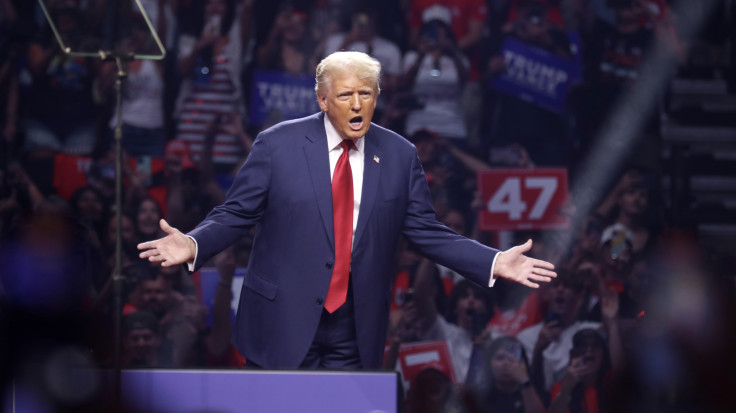
President Donald Trump will deliver a prime-time national address on 17 December to outline his controversial plan to convert tariff revenue into direct payments to Americans.
The address, scheduled for 21:00 EST, marks a rare use of a presidential prime-time slot for a policy announcement and comes amid intense debate over the plan's economic feasibility and legal standing.
A Return to Prime‑Time Policy
Late‑evening Oval Office addresses are rare and reserved for major policy moments, traditionally signalling a significant shift or clarion call from the presidency. By choosing a 9 p.m. time slot, historically used for key speeches such as state addresses and major national announcements, the White House is clearly elevating the importance of this message.
In public statements made this month, Trump has repeatedly tied tariff revenues to the possibility of direct payouts of at least £1,580 ($2,000) to Americans. The proposal has captured significant public and media attention.
The plan, part of his broader economic and trade strategy, is designed to appeal to both lower and middle‑income families who have felt squeezed by inflation and rising living costs.
What Trump Has Said About Tariff Payments
Previous statements from the president and his team have said that tariff revenues — taxes collected on imported goods — could be used to fund direct cash payments. Trump has touted these potential payments as a way to return wealth to everyday Americans while using the remaining funds to help reduce the nation's debt.
In an Oval Office conversation captured in earlier reporting, Trump said the administration has already collected 'hundreds of millions of dollars in tariff money' and said dividends could be paid by mid‑2026.
The proposal has drawn both applause and criticism. Supporters see it as a bold redistribution of trade revenue back into households. Critics, including some economists, argue there is insufficient revenue from tariffs to fully support the promised payouts without broader economic consequences, since tariffs also can raise prices on consumer goods.
Political and Economic Stakes
The upcoming address is likely to be as much political as it is economic. Trump's tariff strategy has already been under legal and legislative scrutiny, with the Supreme Court reviewing aspects of his broader trade agenda this year. What the president chooses to share in his speech could sway public opinion and influence lawmakers as the nation heads into a pivotal election cycle.
Tariffs have been a central theme of Trump's economic policy throughout his presidency, aimed at correcting what he describes as unfair trade practices and boosting domestic economic investment. Yet they have also created tensions in global markets and pressure from trading partners.
For ordinary Americans, the question at the heart of the speech is simple: will tariff revenue translate into real financial relief for households? The answer Trump delivers could have wide‑ranging implications for consumer confidence, market reactions, and political discourse in 2026.
What to Expect From the Address
Analysts expect Trump to frame the tariff‑funded payout plan as part of a broader narrative on economic fairness and national prosperity.
The key details viewers will be watching for include eligibility, timing, and how the plan will be implemented amid legal and fiscal complexities. If Trump provides firm details on who will receive these payments and when, it could shift the narrative around tariff policy from theoretical to tangible.
The address will force the administration to provide concrete details on a proposal that has, until now, remained largely conceptual, setting the stage for a major political and economic debate heading into 2026.
© Copyright IBTimes 2026. All rights reserved.