

Trump Tries to Save Face After Believing Putin's 'Made Up' Ukraine Attack Plot
US intelligence contradicts Kremlin narrative as diplomatic fallout grows around alleged Ukrainian drone strike on Putin's residence
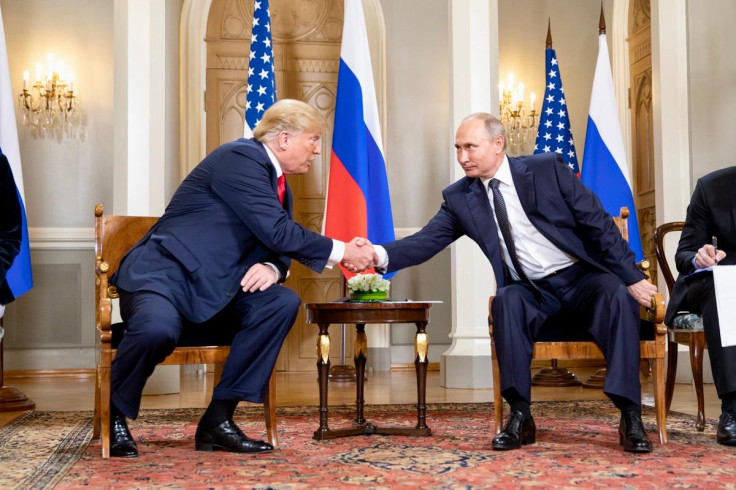
Trump's initial acceptance of Russian President Vladimir Putin's claim that Ukraine launched a drone attack on one of his residences has ignited controversy, fracturing diplomatic trust and exposing the limits of intelligence assessments in the widening Russia-Ukraine conflict.
Russia's accusation, formally announced on 29 December 2025, alleged that Ukrainian forces had launched a barrage of unmanned aerial vehicles against a secluded presidential residence in the Novgorod region, northwest of Moscow.
The Kremlin claimed that 91 drones were intercepted by Russian air defences and that this operation constituted both a direct assault on state leadership and a calculated escalation in hostilities.
Kremlin's Unsubstantiated Claim and Trump's Reaction
Russian Foreign Minister Sergei Lavrov told state media that Ukraine had employed long-range drones in an attempted attack on President Putin's residence, which he described as a 'terrorist act' designed to undermine Russia's negotiating leverage in peace talks. Lavrov offered no credible third-party evidence to support that claim.
Shortly after the allegation emerged, Trump publicly acknowledged he had been informed of the purported attack during a call with Putin and expressed that he was 'very angry' about the incident, signalling initial acceptance of the Russian narrative.
Later in the same exchange, he admitted uncertainty about the veracity of the claim, saying that it might not have occurred.
The episode placed Trump in a delicate position, with his response appearing to lend legitimacy to Moscow's account at a time when the United States has been attempting to mediate peace discussions between Kyiv and Moscow.
US Intelligence Contradicts Russian Narrative
Within days, independent assessments by US national-security officials, including the Central Intelligence Agency (CIA), fundamentally contradicted the Kremlin's allegations.
According to an assessment detailed in The Wall Street Journal, US intelligence concluded that Ukraine did not attempt to target Putin or his residences in the alleged drone operation. Instead, officials said Ukrainian forces were believed to be aiming at a military objective in the broader Novgorod region, but not near the presidential estate itself.

The CIA, which declined to comment publicly, based its evaluation on various intelligence tools, including satellite imagery and intercepted communications. These findings directly challenged the Kremlin's claim that 91 drones were launched at a site of political significance.
Following the intelligence assessment, Trump shared a link on his social media platform to a New York Post editorial critical of Putin's account, indicating a softening of support for the Russian version of events.
Kyiv and Allies Push Back
Ukraine's leadership swiftly rejected the Russian accusation, calling it a 'complete fabrication' and accusing Moscow of using the episode to disrupt diplomatic momentum.
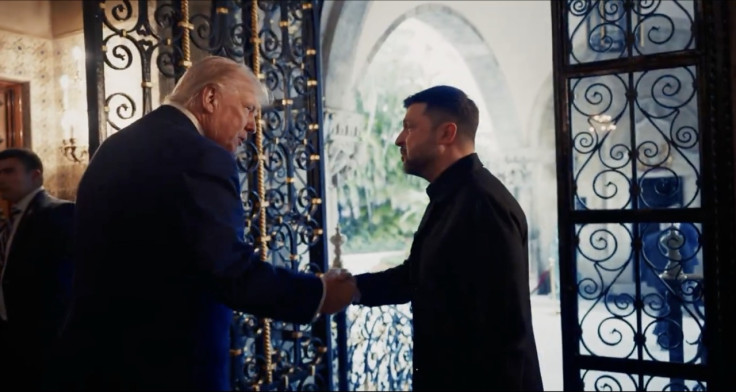
President Zelenskyy dismissed the allegation as a tool to justify further attacks on Ukrainian cities and to delegitimise Ukraine's diplomatic standing with Western partners.
European and NATO allies also voiced scepticism. German Chancellor Friedrich Merz demanded transparency, while French officials characterised the Kremlin's statements as defiant manoeuvres against Western peace efforts. None of the Russian assertions were backed by independent corroboration from local authorities or credible open-source evidence.
The burst of conflicting claims comes at a pivotal moment in international diplomacy. Trump had recently met with Zelenskyy in Florida to discuss peace negotiations, and Ukraine was reportedly working with Western partners on security guarantees and deconfliction mechanisms to stabilise the conflict.
© Copyright IBTimes 2026. All rights reserved.