

Trump's Blame Strategy Puts JD Vance and Kristi Noem Under High Stakes and Scrutiny
Trump's shifting response to Minneapolis federal actions fuels scrutiny of his vice-president and DHS chief
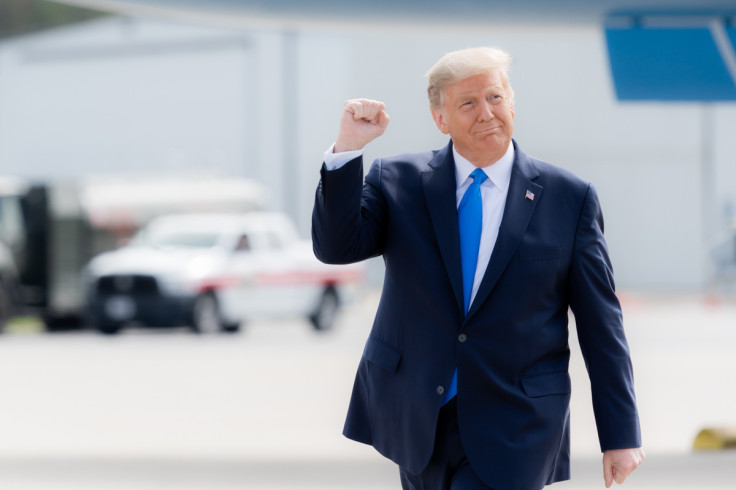
President Donald Trump's public messaging on federal immigration enforcement operations in Minneapolis has sparked fierce criticism and political fallout that now centres on Vice-President JD Vance and Homeland Security Secretary Kristi Noem. Trump's repeated efforts to shift responsibility for unrest following the fatal shooting of Alex Pretti by a Border Patrol agent have placed his senior lieutenants in the eye of a political storm.
What began as a federal law enforcement deployment has evolved into a high-stakes flashpoint with ramifications for top figures in the administration. As protests continue, Vance and Noem face intensified scrutiny over their roles in defending and explaining the federal response, whilst polls show significant public disapproval of the tactics employed in the city.
@hal_for_ny__ This how Donald Trump operates. When things go bad, others take the fall! #trump #donaldtrump #JDVance
♬ original sound - Hal_for_NY__
Shifting Blame in Minneapolis
After Pretti's killing, Trump and Vance sought to frame the unrest as a consequence of local officials and political opponents, rather than federal actions. According to Yahoo!, Trump blamed Democratic city and state leaders for failing to protect federal officers and for fostering disorder in social media posts and public statements.
He asserted that Minneapolis authorities had 'called them off' and prevented local police from aiding federal agents, a claim contested by the Minneapolis Police Department.
Vice-President Vance echoed this narrative, telling reporters that the chaos was partly due to a 'failure of cooperation' from local authorities. He said his directive from Trump was to 'meet these guys halfway' and work with local leaders so federal immigration enforcement could proceed without heightened conflict.
By placing the spotlight on local leadership, the administration has shifted part of the political responsibility away from the federal government itself, intensifying scrutiny on how Trump's team, especially Vance, has managed its public communication strategy.
Political Risks for JD Vance
Vance has attempted to walk a tightrope. In Minneapolis, he portrayed federal officers as doing an 'incredible job' whilst urging peaceful protest, even as critics argue that the presence of thousands of federal agents has exacerbated tensions.
According to AP News, the vice-president's alignment with Trump's hardline stance puts him under particular strain, especially as polls show significant public disapproval of the federal tactics. Some Republican allies have expressed concern that the administration's messaging, and Vance's prominent role in defending it, risks alienating moderate voters and deepening national division.
Minnesota's Democratic leaders have not held back. Governor Tim Walz and Attorney-General Keith Ellison have condemned the federal narrative and called for a withdrawal of immigration agents, arguing that the Trump administration's rhetoric has inflamed rather than calmed the situation, The Washington Post reported.
Kristi Noem's Leadership Questioned
Meanwhile, Noem, who as Homeland Security Secretary has been at the forefront of federal immigration enforcement policy, faces her own political challenges. Trump's recent decision to appoint Border Czar Tom Homan to oversee aspects of the Minneapolis response has been widely interpreted as a move that sidelines Noem's direct leadership role, Forbes reported.
Though the White House insists Trump continues to have 'confidence' in Noem, critics argue that the shift highlights internal disagreements over enforcement strategy. Noem advocates a broad deportation approach, whilst Homan is reported to favour a more targeted focus on criminal deportations.
This apparent recalibration in strategy feeds into broader questions about her influence within the administration and whether her public defence of the Minneapolis actions will endure as a defining political moment.
National Backlash and Narrative Control
According to The Guardian's update, public opinion has been sharply divided. National coverage highlights not only the deadly shooting but also conflicting claims about the events leading up to it. Detailed reporting suggests that video evidence contradicts some of the administration's initial characterisations of how the fatal shooting unfolded.
Trump's approach, shifting responsibility to local officials and opponents and spotlighting welfare fraud as a root cause of violence, underscores a communication strategy grounded in blame rather than ownership.
For Vance and Noem, being central figures in that strategy may carry political costs. As unrest persists in Minneapolis, their roles in defending and explaining the federal response continue to attract scrutiny across the political spectrum.
With national attention focused on Minneapolis and Trump's messaging tactics under fire, both Vance and Noem are likely to face continued pressure. Whether their association with this moment strengthens or undermines their political standing remains a central question as the administration navigates the fallout.
© Copyright IBTimes 2026. All rights reserved.