Trump's Sole Photo From The Latest Epstein Files Directory Removed After Going Viral
Critics accuse the DOJ of obscuring material in court-mandated Epstein records after the removal of a viral Trump image

A photograph featuring Trump was quietly withdrawn from the US Justice Department's public release of Jeffrey Epstein files after it circulated widely online. The image's removal has triggered bipartisan outrage, renewed scrutiny of the partial disclosure process and fresh questions about compliance with a federal transparency law enacted to open Epstein-related records. The controversy adds political drama to one of the most sensitive document disclosures of the year.
Photo Removal Sparks Accusations of Obscuring Records
The Department of Justice (DOJ) posted tens of thousands of pages of documents on Dec. 19 pursuant to the Epstein Files Transparency Act, the bipartisan legislation that required public release of unclassified records related to Jeffrey Epstein. The files were intended to satisfy a legal deadline and were published on the DOJ's official webpage.
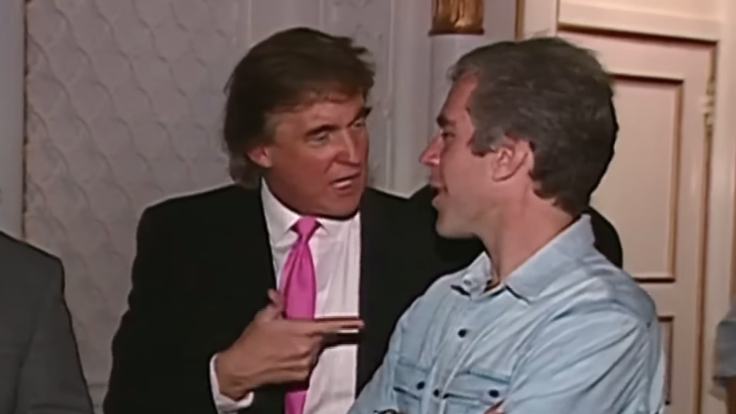
Within 24 hours of going live, at least 16 files disappeared from the DOJ site, including one containing a photograph that showed a series of printed images on a credenza and inside drawer, among them a picture of Trump alongside Epstein, Melania Trump and Ghislaine Maxwell.
File 468 from yesterday’s released Epstein files appears to have been removed from the Department of Justice’s website.
— Pop Base (@PopBase) December 20, 2025
The file contained a photo of Donald Trump. pic.twitter.com/97S7pQuWAl
The missing image, originally indexed as EFTA00000468 in the government's file catalogue, was widely shared on social media before disappearing from the public archive. The DOJ did not provide a public explanation for the removal and did not respond to requests for comment at the time of reporting. In a post on the platform X, the department said in general terms that photos and other materials would continue to be reviewed and redacted consistent with law.
Bipartisan Backlash and Legal Questions
Lawmakers from both parties have criticised the partial document release and the lack of a clear explanation for the withdrawals. Senate Minority Leader Chuck Schumer called the handling of the files potentially 'one of the biggest cover-ups in American history', according to Forbes, saying the subsequent removal of previously available material raised serious transparency concerns.
Rep. Jimmy Gomez (D-Calif.) accused the DOJ of 'scrubbing any mentions of Trump' after publication, adding that retroactive deletions were 'outrageous and unacceptable'. Some Republicans joined the criticism. Rep. Marjorie Taylor Greene (R-Ga.) described the incomplete first tranche as a failure to comply with the statutory release deadline, while Rep. Tom Massie (R-Ky.) suggested existing criticism from prior years about record concealment had been vindicated by the process.
Veteran defenders of the transparency law, like Reps. Ro Khanna (D-Calif.) and Thomas Massie (R-Ky.), are reportedly exploring enforcement actions against Justice Department officials, including possible contempt or obstruction charges for failing to fully comply with the statutory mandate.
What the Files Show — And What Is Missing
The files released by the DOJ include court filings, grand jury-related material, and other legal records from federal and state cases involving Epstein and associate Ghislaine Maxwell. However, many of the Nixon-era documents were heavily redacted to obscure names, implement legal protections and comply with privacy obligations. The missing files reportedly included several images of paintings depicting nude women from within Epstein's residences and other material that has no obvious connection to ongoing criminal investigations, aside from the Trump photo.
The initial DOJ disclosure also omitted FBI interviews with victims and internal DOJ memoranda discussing prosecutorial decisions, records that critics say are among the most important for public accountability and understanding of why Epstein received an exceptionally lenient plea deal in 2008.
With legal deadlines and congressional oversight in play, the Epstein file saga remains a focal point of debate over government transparency, privacy protections, and the public's right to see the full breadth of official records related to a case that has captivated global attention.
© Copyright IBTimes 2026. All rights reserved.
- MOST POPULAR IN World