

UK Warns Eritrea of Visa Ban in Escalating Row Over Small Boat Returns
The Home Office has restricted Eritrean diplomats and withdrawn preferential visa arrangements after alleging that Asmara stopped issuing emergency travel documents
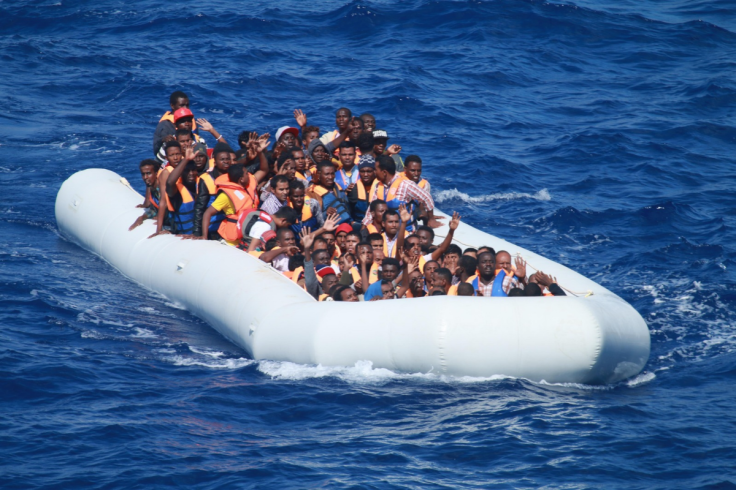
Home Secretary Shabana Mahmood has warned that Eritrean nationals could be barred from entering Britain after Eritrea allegedly halted co‑operation on returning people with no legal right to remain in the UK, including foreign national offenders and failed asylum seekers.
The Home Office has also imposed new restrictions on Eritrean diplomats. They must now obtain permission before travelling more than 60 kilometres outside London and have lost access to preferential visa arrangements.
The announcement follows the Home Office's allegation that Eritrea stopped issuing the emergency travel documents needed for removals in March 2026. Mahmood said Eritrea had failed to co‑operate on returns, in contrast with other countries that had agreed to do so.
Eritreans Now Largest Small-Boat Nationality
Eritreans accounted for 18 per cent of people recorded arriving in the UK by small boat in the year ending June 2026, making them the largest nationality group, according to the House of Commons Library. Home Office statistics recorded 33,374 small‑boat arrivals over the same period.
The government says the pressure is intended to raise returns. Home Office statistics recorded 40,605 returns in the year ending June 2026, an 8 per cent increase on the previous 12 months. The total includes both enforced and voluntary returns. The department separately recorded 5,928 returns of foreign national offenders.
Asylum Decisions Curb Scope for Removals
Dr Madeleine Sumption, director of the Migration Observatory at the University of Oxford, told BBC Radio 4's Today programme that the impact of the threatened measures would be limited because a large proportion of Eritrean asylum applicants are granted protection.
The House of Commons Library has reported that grant rates for Eritreans at initial decision were between 96 per cent and 99 per cent from 2021 to 2023. People granted asylum cannot be returned.
Sumption also said that if the government wished to target people refused asylum who remain in the UK more broadly, it would need to look at the nationalities making up the largest numbers of that group. She cautioned that sanctions on countries with large student and worker populations could have wider consequences.
Eritrea has faced international criticism over its political system, indefinite national service, restrictions on independent media and the detention of people on political or religious grounds. That record is relevant to asylum decisions and to whether returns are safe.
The threatened visa measures are intended to increase diplomatic pressure on Asmara. They do not, by themselves, determine whether an individual can lawfully be removed, which depends on the person's immigration status and any legal protections.
Previous Use of Visa Pressure on African States
The government has used the threat of visa penalties before. In 2025, Angola, Namibia and the Democratic Republic of Congo faced such pressure. Angola and Namibia subsequently agreed to improve co‑operation, while the UK withdrew preferential visa treatment and fast‑track processing for the DRC before reporting improved co‑operation in 2026.
Whether a similar outcome follows with Eritrea will depend on whether the threat secures greater co‑operation from Asmara and whether the government can lawfully return more people who have no right to remain in the UK.
© Copyright IBTimes 2026. All rights reserved.