

At Least 65 Religious Figures Detained Since January 2025 as Pastor Says They Merely Become 'A File'
The cases include Christian clergy, Muslim imams and other religious leaders, with detention circumstances and immigration statuses varying widely
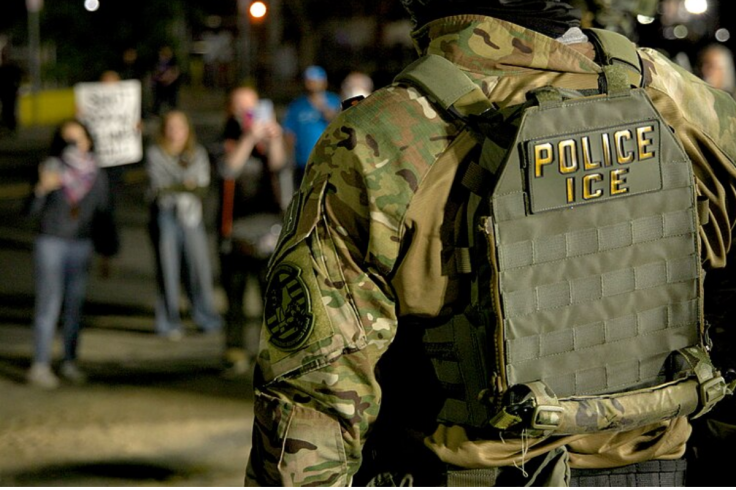
At least 65 religious figures have been detained by US immigration authorities since January 2025, according to a Newsweek analysis of court filings, public records and news reports.
The cases include Christian clergy, Muslim imams and other religious leaders with varying immigration backgrounds.
Among them is Steven Tendo, a Pentecostal pastor from Uganda who was detained by US Immigration and Customs Enforcement (ICE) in Vermont on 4 February 2026.
Tendo said officers surrounded his car and forcibly removed him as he left work. He spent 16 days in detention before a federal judge ordered his release.
'Once you are detained by ICE, you cease to be a human being,' Tendo said. He described detainees as becoming 'a file that is added onto their numbers,' expressing his view of how immigration enforcement treats people in custody.
The cases have raised questions about detention procedures, immigration status and the treatment of people seeking to remain in the United States. However, detention alone does not establish that a person was unlawfully present or that officials acted for discriminatory reasons.
Newsweek reported the figures and individual accounts in an analysis published in October 2026. The report examined religious figures detained since President Donald Trump returned to the White House in January 2025. Its findings draw on court records, public documents and reporting about individual cases.
Who Are the Religious Figures Detained Since 2025?
The people identified in the analysis come from different religious communities and immigration backgrounds. Some reportedly faced removal orders or allegations of overstaying visas. Others had sought asylum or held lawful permanent residence, work authorisation or Temporary Protected Status.
These distinctions matter because immigration status and detention circumstances vary by case. For example, a removal order does not by itself establish criminal wrongdoing. Likewise, an arrest does not amount to a criminal conviction.
Newsweek said it requested immigration and criminal-history information for all 65 individuals. The administration provided information on 42 people and identified 14 with prior criminal arrests or convictions. Arrests and convictions are distinct categories, and the figures should not be treated as interchangeable.
One reported case involved Fouad Saeed Abdulkadir, a 46-year-old Eritrean national who died in immigration custody on 14 December 2025.
US Immigration and Customs Enforcement confirmed his death at the Moshannon Valley Processing Center in Philipsburg, Pennsylvania. The agency said he experienced medical distress. The circumstances and cause of death should be described according to the available official findings.
The overall figures also require careful presentation. The published breakdown of religious affiliations totals 66, despite the headline figure of at least 65. The reported outcomes of release, deportation, continued custody and death also require reconciliation before being presented as a complete account of every individual.
A Judge Orders Steven Tendo's Release
Tendo's case provides a documented example of judicial scrutiny of immigration detention procedures. He was detained on 4 February 2026, two days before a scheduled ICE check-in, and held at the Strafford County Department of Corrections in Dover, New Hampshire.
On 20 February, US District Judge Joseph N. Laplante ordered his release. Vermont Law and Graduate School, whose Center for Justice Reform Clinic represented Tendo, said the judge found that ICE had failed to comply with the required procedures for revoking his longstanding order of supervision.
The ruling concerned the lawfulness of Tendo's renewed detention. It did not grant him asylum or resolve his outstanding immigration proceedings. His case therefore illustrates the distinction between a court challenging the way someone is detained and a final decision on whether that person can remain in the country.
ICE detained Tendo in 2023. He has continued to pursue relief from deportation, including efforts to reopen his immigration proceedings. His lawyers said the agency failed to provide the required notice before revoking his release under supervision.
The case has attracted attention because Tendo had established ties to Vermont and worked in health care. His detention shortly before a scheduled appointment raised questions about the timing and procedures immigration authorities used. Those concerns should be assessed against the court's findings rather than assumptions about the motives of individual officers.
The wider debate involves competing positions on immigration enforcement. The Council on American-Islamic Relations has called for congressional scrutiny of the detention of Muslim religious leaders and raised concerns about possible discrimination. Such concerns remain allegations unless evidence or an authoritative finding establishes them.
The Department of Homeland Security has disputed the suggestion that religious identity determines enforcement decisions. A fair account should present that response alongside the concerns raised by civil rights organisations, while distinguishing their statements from independently established facts.
The US government also changed a separate rule affecting religious workers. A Department of Homeland Security regulation effective 16 January 2026 removed the one-year overseas waiting requirement for qualifying R-1 religious workers who have reached the maximum five-year period of stay. The change did not abolish the five-year limit.
Detained religious figures therefore face different legal circumstances and outcomes. Tendo's experience highlights the consequences of detention and the importance of following required procedures. His description of becoming 'a file' remains a personal account of that experience, rather than a legal finding about every case in the reported count.
© Copyright IBTimes 2026. All rights reserved.