

US Citizen Left Scared For Life as Armed ICE Agents Storm Small Business Over 'No ICE Welcome' Sign
A small-business owner's claim of heavy law enforcement after an anti-ICE sign highlights tensions over immigration
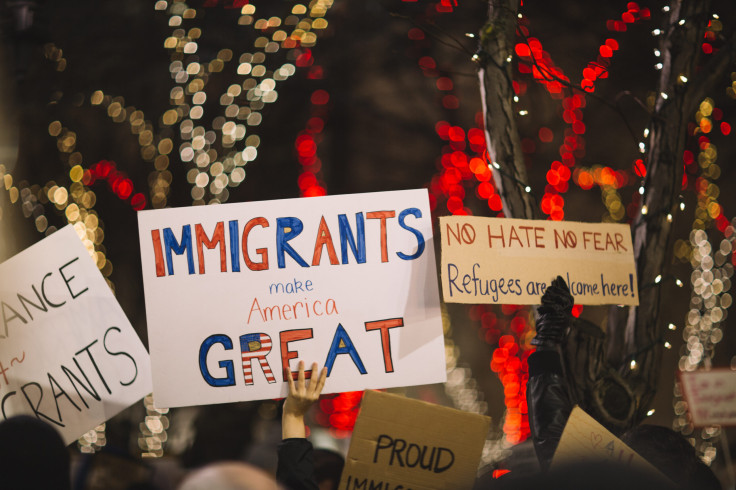
A Memphis small-business owner claims he was left shaken after a heavy law-enforcement presence reportedly surrounded his shop following the display of a sign saying 'No ICE Welcome', raising questions about federal immigration enforcement and civil liberties.
The owner of Da Sammich Spot in Memphis, Tennessee, alleges that a large contingent of federal and local law enforcement vehicles and personnel blocked his business after he posted a sign asserting that Immigration and Customs Enforcement (ICE) was not welcome on the premises. According to clips circulating on X (formerly Twitter) and social media posts, the owner said the show of force left him 'scared for life'.
ICE Enforcement Surge And Local Impact
Since early 2025, Memphis has been part of a larger focus of federal immigration enforcement in the United States amid policies prioritising interior enforcement and deportations.
ICE shuts down restaurant owned by U.S. citizen—for putting up "No ICE Welcome" sign.
— LongTime🤓FirstTime👨💻 (@LongTimeHistory) January 5, 2026
50 armed agents block shop entrance with official vehicles.
"This is intimidation—I'm scared for my life with all your guns out here," he says.
"Why y'all doing this to me? I'm just a citizen… pic.twitter.com/aGASwzO4jb
Data obtained through a Freedom of Information Act (FOIA) lawsuit shows that at least 400 people were arrested by ICE in the Memphis area within the first seven months of the year, a 25% increase compared with the previous year.
Those figures include people who had been arrested but not convicted of crimes, according to the data analysis by MLK50's Justice Through Journalism. Many community leaders interviewed in that reporting said that the heightened enforcement, even when not highly visible, creates pervasive fear in daily life, with families avoiding public spaces and schools seeing lower attendance because of anxiety over federal agents.
The Department of Homeland Security, which oversees ICE, has highlighted some of its enforcement actions in recent months as part of broader operations targeting criminal networks and serious offenders.
MEMPHIS: “This is intimidation! Why are y’all doing this to me?”@GovBillLee & Trump’s unconstitutional (pointless) “Memphis Safe Task Force” blockades a local business parking lot and won’t leave.
— The Tennessee Holler (@TheTNHoller) January 5, 2026
Post: https://t.co/UGlD4eWETw
Support Da Sammich Spot: https://t.co/7zfBLsuGhQ pic.twitter.com/c03ojwMhbo
In a press release in October, the DHS described arrests of gang members, drug traffickers and other serious criminals as part of coordinated law-enforcement efforts, indicating a continued priority on interior enforcement while drawing criticism from immigrant-rights advocates.
Legal and Constitutional Boundaries
Under US law, ICE and other federal agents generally must have either a judicial warrant or the voluntary consent of a property owner to enter non-public areas of a private business for civil immigration enforcement. Court precedents underline that businesses, like homes, have Fourth Amendment protections against unreasonable searches and seizures, though there are exceptions for publicly accessible areas or in exigent circumstances.

As of now, there are no publicly available court records or warrants released for any law-enforcement action at Da Sammich Spot. That means the claims of a raid tied specifically to the 'No ICE Welcome' sign remain unverified.
Asserting rights against warrantless entry is lawful, but confrontations over enforcement actions can escalate misunderstandings in tense environments. They also stress that publicly circulating images or videos online does not substitute for court documents or official agency statements.
Community Reaction and Ongoing Debate
The online documentation of the incident has prompted local debate. Some Memphians have shared videos from protests against ICE presence in the city, illustrating broader community concern about enforcement tactics. A recent local video on YouTube shows demonstrators in Memphis protesting the federal immigration presence, reflecting that tensions over immigration enforcement have become a visible community issue.
At the same time, official sources such as the DHS occasionally publish statements on their social channels about operations in specific localities. A DHS video posted to an official social media account described ICE activity in Memphis focused on removing individuals convicted of crimes, highlighting how federal agencies frame their actions within lawful enforcement mandates.
Community advocates, including volunteer groups assisting families impacted by enforcement actions, say that documenting detainee interactions and providing legal support has become essential work in cities with increased ICE presence. These groups have noted an uptick in calls for information about rights and assistance in the face of federal operations.
© Copyright IBTimes 2026. All rights reserved.