

Trump Threatens To Oppose Britain's Falklands Sovereignty if Burnham Fails To Raise Defence Spending
Trump threatens to pull out US support for Falkland to pressure Andy Burnham over defence spending
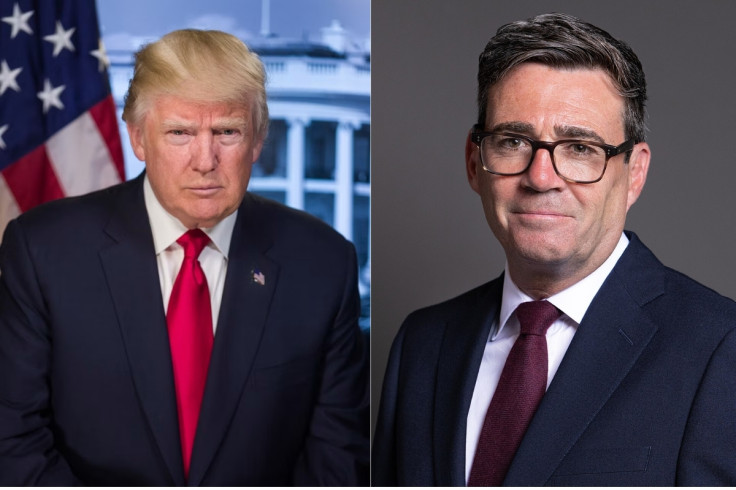
The Trump administration is considering using Britain's sovereignty over the Falkland Islands as leverage to pressure Prime Minister Andy Burnham into increasing defence spending, according to The Telegraph. Senior Pentagon officials warn that the UK could receive 'special attention' in a review of Nato allies.
The report comes as Washington pushes European members of the alliance to take greater responsibility for their own defence while the US shifts its military focus towards the Indo-Pacific. Britain is already under pressure over its spending plans, with Burnham's government not expected to commit to reaching 3 per cent of GDP on defence by 2030 in the Chancellor's October Budget.
Trump Administration Puts Falklands Under Scrutiny
The possibility of changing Washington's position on the Falklands is reportedly among measures being discussed inside the Pentagon as part of efforts to persuade Nato members to meet the alliance's new spending commitments.
A senior US official told The Telegraph that Britain was likely to receive 'special attention' because of its potential as a leading defence partner. The official said Washington would continue efforts to encourage the UK to 'step up in a major way'.
Asked specifically whether the US could alter its position on the Falklands, the official said conversations were 'candid' and 'nothing is being ruled out' as an option for encouraging greater burden-sharing.
That does not amount to a formal change in US policy. Washington officially maintains a neutral position on sovereignty over the Falkland Islands while recognising British administration of the territory. Argentina continues to claim the islands, while the UK Government has repeatedly maintained that they are a sovereign British Overseas Territory.
The issue nevertheless carries considerable diplomatic weight.
An internal Pentagon memo leaked in April reportedly suggested that reviewing the US position on the Falklands could be used as leverage against Nato allies. Secretary of State Marco Rubio subsequently played down the leak as a minor internal decision, but The Telegraph reports that discussions about the idea have continued.
Britain Faces Pressure Over Defence Spending
The pressure comes at an awkward moment for Burnham and Chancellor John Healey.
Government sources previously indicated that Healey's first Budget on October 28 would not include a commitment to spend 3 per cent of GDP on defence by 2030.
Britain currently spends 2.3 per cent of GDP on defence, according to Nato figures cited by The Telegraph. The alliance has now committed members to spending 3.5 per cent of GDP on defence, with an additional 1.5 per cent allocated to security-related infrastructure by 2035.
Washington argues that European allies need to move faster as the US reduces some of its long-standing military role on the continent. During talks in Brussels on Thursday, Elbridge Colby, the Pentagon's top policy official, urged countries including Britain to make 'major efforts to step up'.
He praised Germany, Poland, the Netherlands and Scandinavian countries for progress in strengthening their capabilities, while warning privately that countries falling behind would continue to face pressure from Washington.
The concern is not simply about spending figures. The Pentagon is assessing whether Nato allies have the equipment and resources needed to fulfil their military roles if the alliance faces a major conflict.
The review will also consider how many US troops remain in Europe, where they are stationed, how quickly any changes should happen and what those adjustments would cost. Defence Secretary Pete Hegseth is due to receive four options by November 6.
How Falklands Become Part of Nato Spending Dispute
The Falklands issue comes as concerns grow over whether Europe can defend itself without greater support from the US. American officials have warned European countries to fill the gaps left by Washington, while intelligence assessments have warned that Russia could potentially attack Nato's eastern flank.
On Thursday, Nato Secretary-General Mark Rutte said there was 'still much more to be done', although he added, 'We will get there.'
The US has also circulated a questionnaire to Nato ambassadors asking about plans to purchase American-made weapons, restrictions on US military bases and support for Trump's foreign policy.
A senior US official stressed that the review was 'not a punitive exercise', arguing that Washington wanted to support allies that demonstrated a serious commitment to the new direction of Nato.
For Britain, however, the Falklands question introduces a particularly sensitive element into an already difficult argument over defence spending. The reported discussions do not mean the US has officially changed its position on the islands, but they suggest Washington is considering the Falklands as part of a wider dispute over how much Britain should spend on its own defence.
© Copyright IBTimes 2026. All rights reserved.