

US Visa Ban Update: Mali and Burkina Faso Retaliate Against Trump Entry Curbs
Mali, Burkina Faso, Niger ban US citizens in retaliation for Trump visa restrictions. 26 of 39 affected nations are African; AGOA expired, tariffs rise, USAID cut—US-Africa relations fracture.

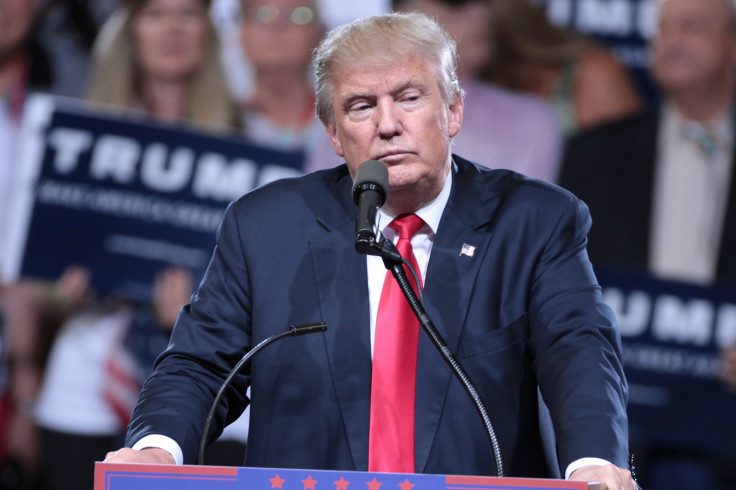
Tit-for-tat diplomacy has erupted across West Africa as military-governed nations strike back at President Trump's sweeping visa restrictions. Mali and Burkina Faso, joined swiftly by Niger, have slammed shut their borders to American citizens, citing reciprocity – a potent signal that Washington's unilateral immigration hardline is fracturing US-Africa relations.
US Visa Ban Targeting Africa: Disproportionate Impact on Continent
Trump's December 16 directive expanded visa bans to 39 countries, yet the arithmetic stings Africa acutely: 26 of those nations sit on the continent. Full bans apply to 19 countries – including Somalia, Sudan, Libya, Syria, Yemen, Afghanistan, Eritrea, Haiti, Iran, and Palestinian Authority document holders. Partial restrictions affect another 20, encompassing Nigeria, South Africa (tariffed separately), Angola, and others.
The Trump administration justified restrictions on 'national security', citing poor screening, weak information-sharing, high visa overstay rates, and refusal to accept deported nationals. Additionally, countries harbouring 'significant terrorist presence' faced scrutiny – a designation affecting Sahel region nations plagued by al-Qaeda and ISIL violence for years.
Mali's Foreign Ministry responded with surgical precision: 'In accordance with the principle of reciprocity... the Government of the Republic of Mali will apply the same conditions and requirements to US nationals as those imposed on Malian citizens.' Burkina Faso's foreign minister Karamoko Jean-Marie Traore echoed identical language. Niger followed Friday, whilst Chad – already restricting US visas since June – tightened further.
US-Africa Relations Crumble: Trade, Aid, Diplomacy Fracture
Beyond immigration, Trump's Africa policy dismantles decades of partnership. In 2000, AGOA (African Growth and Opportunity Act) granted duty-free US market access, generating 300,000 direct jobs and sustaining 1.2 million indirectly. Yet September's expiration went unrenewed despite administration promises, replaced by punitive tariffs often justified on political grounds.
South Africa exemplifies this shift: a 30 per cent tariff followed Trump's debunked 'genocide' allegations against white Afrikaners. President Cyril Ramaphosa's May White House visit attempted clarification – crime affects all South Africans – but failed to budge Trump's narrative. Instead, Washington prioritised resettling Afrikaners as refugees, a geopolitical manoeuvre few anticipated.
Early 2025 brought deeper cuts: Trump shuttered USAID, slashing billions in foreign aid upon which African health and humanitarian programmes depend. Malaria deaths spiked in Cameroon, malnutrition surged in Nigeria, Somalia and Kenya, and HIV prevention efforts in Lesotho and South Africa face collapse. Hunger relief collapsed as well.
Diplomatically, Trump recalled 30 Biden-era career diplomats from 29 countries; 15 were stationed across African nations from Algeria to Uganda, hollowing institutional knowledge precisely when partnership matters most.
Mineral geopolitics added nuance: Trump mediated the DRC-Rwanda conflict in December, securing a peace pact that granted US firms priority access to cobalt, copper, lithium and gold reserves. Simultaneously, the US intensified strikes against ISIL and al-Qaeda across Somalia, Nigeria and beyond, claiming to 'save' Christians whilst denying genocide accusations Nigeria dismisses.
Mali, Burkina Faso and Niger – bound by the July 2024 Alliance of Sahel States – now face coordinated Western isolation amid domestic security crises. Their reciprocal bans mirror broader alienation: when Washington withdraws aid, tariffs exports, recalls diplomats and restricts migration, African retaliation becomes inevitable.
The fracture deepens: Trump's second-term Africa strategy mirrors his first-term 'Muslim ban', concentrating pain disproportionately on one continent. As reciprocal bans multiply, dialogue vanishes.
© Copyright IBTimes 2026. All rights reserved.