

Your Next Galaxy Phone Will Be Smarter Than Ever — Samsung Doubles AI to 800 Million Devices
The tech giant is accelerating its AI push, rolling out Gemini-powered Galaxy AI features to hundreds of millions of mobile devices worldwide

Samsung Electronics plans to expand its artificial intelligence across its entire mobile ecosystem in 2026, doubling the number of Galaxy devices with AI capabilities to around 800 million.
The bold move, declared by co-CEO T M Roh, shows how Samsung plans to integrate AI into the everyday experience of its devices, in an effort to scale the enterprise beyond its competitors as the global tech industry narrows in on generative and conversational forms of AI.
AI Everywhere: A Strategic Push
In the first interview of his tenure, Samsung co-CEO T-M Roh told Reuters that the number of mobile devices under the new name 'Galaxy AI' would rise to about 800 million by 2026, up from 400 million the year before.
The new AI model, powered by Google's Gemini and Samsung's Bixby assistant, highlights a more comprehensive collaboration between the two corporations in the development of the next generation of smart consumer technology.
In his interview, Roh told Reuters: 'We will apply AI to all products, all functions, and all services as quickly as possible.'
The shift is an indicator of Samsung's desire to develop what it terms 'AI living'. In this space, artificial intelligence manifests effortlessly to enhance user experience across devices and platforms, such as smartphones, tablets, and others.
A Big Stake in the Global AI Race
It is against this background that Samsung aims to incorporate AI into 800 million mobile devices this year, as the world enters a rapid AI arms race, with technology heavyweights battling to be the first to lead in generative models, on-device intelligence, and cloud-based services.
Samsung is focusing on Galaxy AI, powered by the Google Gemini model, which aligns with Google's overall trend to scale its AI models against competitors, including OpenAI, which has been developing GPT 5.2 in rapid response to an internal push within the company.
The greater presence of AI applications on Samsung products will benefit Google, as it will introduce more consumers to entertainment products powered by Gemini. This can be used to entice users and developers into Google's AI ecosystem, which is evidently a challenge for competitors trying to win the AI throne.
In the meantime, Samsung is hoping that AI implementation will help it regain a position in the smartphone market, competing with Apple, which has regained the number one position in global smartphone shipments, and a number of aggressive Chinese firms rolling out feature-packed gadgets.
What Galaxy AI Means for Users
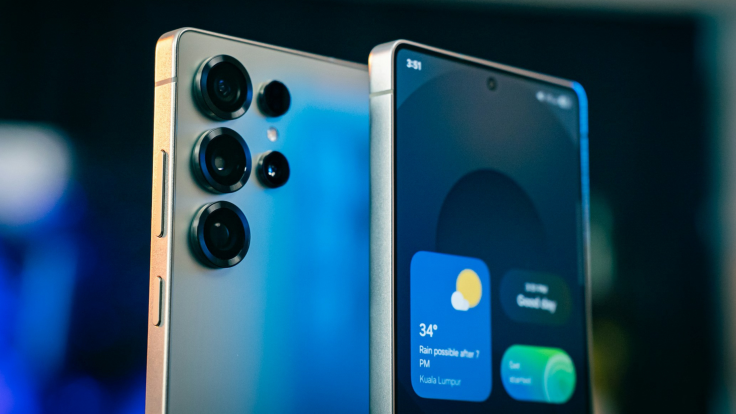
The Galaxy AI platform from Samsung offers a variety of innovative capabilities to support daily routines. Although search remains one of the most common AI functions on the phone, generative tools are more often used for picture editing, productivity, translation, summarisation, and other tasks.
According to internal surveys that Roh cites, Galaxy AI brand awareness has increased to approximately 80 per cent from 30 per cent previously in just one year, indicating that consumers are becoming more accepting of AI experiences on mobile devices.
Roh further projects: 'Even though the AI technology might seem a bit doubtful right now, within six months to a year, these technologies will become more widespread.'
Broader Business Challenges
Samsung is grappling with more industry pressures as AI capabilities continue to expand. Samsung's semiconductor business is now benefiting from a global chip shortage that is squeezing the smartphone business, its second-largest revenue source, Roh confirmed.
He observed that no firm is immune to increases in component costs, which may affect not only the mobile phone market but also consumer electronics, such as TVs and home appliances.
According to market analysts at companies like IDC and Counterpoint Research, the picture forecasts that the global smartphone market will decline next year, in part due to rising chip prices. This shrinkage poses a strategic dilemma for Samsung, as it must strike a balance between investing in AI functionality and commercial realities.
Although these are the headwinds, Samsung remains confident that AI will be at the centre of customer acquisition and retention, with devices increasingly becoming smarter and more capable.
© Copyright IBTimes 2026. All rights reserved.