

Amazon Layoffs Continue As Retail Giant Shuts Down Fresh and Go Stores — Are Grocery Stores Becoming Obsolete?
Amazon says its physical grocery model failed to scale economically
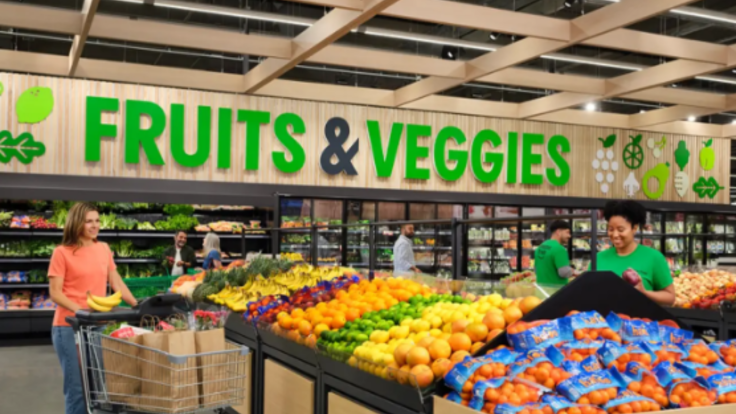
Amazon has confirmed it will close its Amazon Fresh and Amazon Go grocery stores, marking a significant shift in the company's retail strategy as it doubles down on delivery services and expands Whole Foods. The move has reignited debate over whether traditional grocery stores are losing relevance as consumer habits tilt towards online ordering and rapid fulfilment.
The announcement sent Amazon shares up 1.6%, signalling investor approval of a pivot that prioritises scale, speed and economics over experimental physical retail formats.
Amazon Pulls Back From Fresh and Go
In a statement, Amazon said it had seen 'encouraging signals' in its Amazon-branded physical grocery stores but had not yet achieved a 'truly distinctive customer experience' or an economic model suitable for large-scale expansion. As a result, the company will evaluate each Fresh and Go location to determine whether it should close or be converted into a Whole Foods outlet.
The decision effectively ends Amazon's attempt to build a separate, tech-driven grocery brand outside of Whole Foods, which it acquired in 2017.
Whole Foods Takes Centre Stage
Whole Foods Market will now sit at the heart of Amazon's physical grocery presence. The company plans to open more than 100 new Whole Foods locations over the next few years, including an expansion of its smaller-format concept, Whole Foods Market Daily Shop.
There are currently more than 550 Whole Foods stores globally. Amazon has indicated that some former Fresh and Go sites could be repurposed to support this expansion, allowing it to retain a physical footprint while focusing on a brand with established customer loyalty.
Delivery Becomes the Priority
Amazon is also placing increased emphasis on same-day grocery delivery. Over the past year, the company expanded same-day delivery for perishable goods to more than 5,000 US cities, with further growth planned in 2026.
The strategy reflects a broader shift in consumer behaviour, with shoppers increasingly prioritising speed and convenience over traditional weekly supermarket trips. Analysts say customer retention in grocery is now closely tied to rapid delivery and consistent quality control.
What Amazon Says About Its Grocery Business
Speaking to investors during an earnings call in October, Amazon chief executive Andy Jassy stressed that the company remains deeply committed to grocery. He said Amazon's overall grocery operation, excluding Whole Foods and Fresh, generated more than $100 billion (£72.4 billion) in gross merchandise sales over the past 12 months.
According to Jassy, that figure would place Amazon among the top three grocery retailers in the United States, underlining that the closures represent a strategic refocus rather than a retreat from the sector.
Is This a Wider Industry Signal?
While Amazon's decision has raised questions about the future of physical grocery stores, competitors continue to invest heavily in bricks-and-mortar retail alongside delivery. Walmart, Amazon's largest rival in grocery, derives around 60% of its US sales from food and household essentials.
Walmart has also expanded same-day delivery through its Walmart+ membership programme, highlighting that the industry trend is not an abandonment of stores, but a blending of physical and digital retail.
Changing How People Buy Food
Retail experts say Amazon's move reflects changing expectations rather than the decline of grocery stores altogether. The traditional weekly stock-up is giving way to smaller, more frequent orders placed online and delivered within hours.
For now, Amazon's closure of Fresh and Go stores signals a recalibration of its grocery ambitions, prioritising delivery infrastructure and trusted brands over experimental formats. Whether that shift accelerates the decline of in-store grocery shopping remains an open question, but it is clear the battle for convenience is reshaping how consumers buy food.
© Copyright IBTimes 2026. All rights reserved.