

Prince Andrew Wins Epstein-Linked Legal Fight as Court Rules Home Warrants Unlawful
Seized evidence now in doubt, putting the only active case against the ex-royal at risk
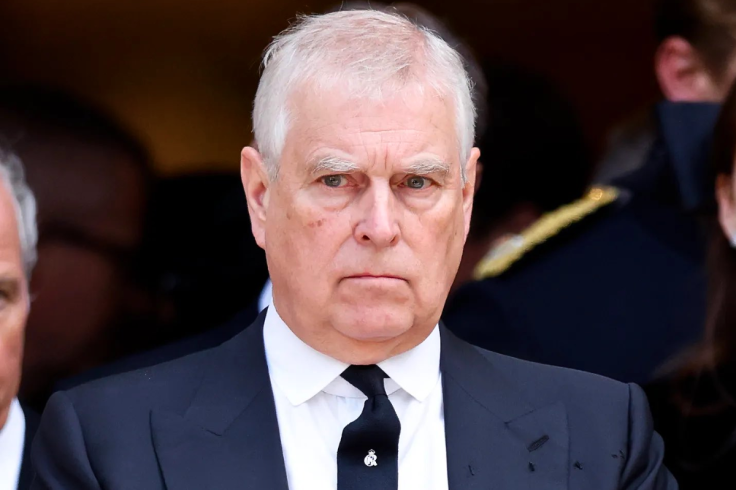
Andrew Mountbatten-Windsor won a procedural victory on Thursday when a London judge ruled the warrants police used to raid his two homes in an Epstein-linked misconduct investigation were unlawful, a decision that could affect how investigators handle the seized evidence.
Justice Nicholas Hilliard confirmed the warrants were unlawful after Thames Valley Police and Mountbatten-Windsor agreed they used the wrong legal provision. The former prince, stripped of his royal titles in 2025, was not in court. The ruling did not end the criminal investigation or establish that the underlying allegations were unfounded.
The ruling lands as a sharp twist in a scandal that has gripped audiences on both sides of the Atlantic. Although the warrants have been quashed, police are seeking to retain the seized material, setting up another legal battle.
A First in Four Centuries
Police arrested Mountbatten-Windsor on 19 February, his 66th birthday, on suspicion of misconduct in public office and held him for several hours before releasing him under investigation. He was neither charged nor cleared.
The misconduct inquiry opened after the US Justice Department released millions of pages of Epstein documents earlier this year. The arrest followed allegations that he shared confidential information while serving as a trade envoy. The historical claim that this was the first arrest of a senior British royal in nearly four centuries requires independent verification before publication.
What the Warrants Covered
The investigation does not stem from Virginia Giuffre's abuse allegations but from emails in the Epstein files suggesting the former prince shared confidential information while serving as the United Kingdom's special representative for international trade and investment, a role he held from 2001 to 2011.
The files reportedly included information about official trips and trade-related matters. The specific reference to an investment briefing on Afghanistan's Helmand Province, and the claim that confidentiality rules covered all the journeys, require confirmation against the original documents. He denies any wrongdoing and any personal gain from the role.
The Evidence Battle Ahead
The real consequence lies in what the ruling threatens. Police searched his home on the Sandringham estate in Norfolk and his former Royal Lodge residence in Windsor, seizing material investigators may have hoped to build a case around. The High Court will next decide whether officers can keep and use that evidence. The judge made clear that quashing the warrants does not end the investigation. If the court rules against the police, the force could lose access to some or all of the seized material, depending on the outcome of further proceedings.
Who Pays for the Fight
The claim that Andrew is the second royal in four years to sue the British state requires verification. Buckingham Palace confirmed that the King's private funds should not finance the challenge. Legal experts estimate the bill could run into the hundreds of thousands of pounds, although this estimate needs a named source.
The King, who said 'the law must take its course' after the arrest, houses his brother on the Sandringham estate yet has reportedly made clear that his private funds will not cover the legal challenge, leaving the former prince to pay his own way as the broader case grinds on.
© Copyright IBTimes 2026. All rights reserved.