

Apple iPhone 18 Pro Series to Launch in 2026? Date, Camera and Design Specs Leaked
Apple iPhone 18 Pro and Pro Max Specs Leaked: Under-display face ID, A20 chip and more
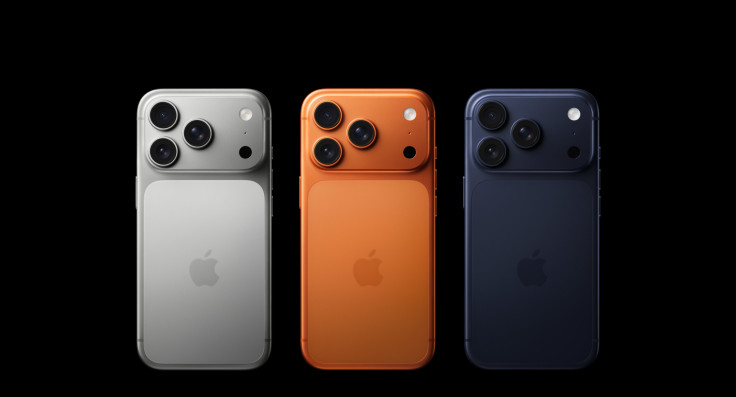
iPhone fans can expect a few big launches this year. Apple's next generation of flagship iPhones is already going viral, and it's still months away from launch. Many industry experts and leakers point to a massive change in the company's launch strategy for 2026, with a split release schedule and upgraded models that change the whole concept of what fans expect from the iPhone.
Now, the main focus of these rumours are the iPhone 18 Pro and iPhone 18 Pro Max, which are shockingly about to launch before the standard iPhone 18 and even ahead of a potential foldable model. Early leaks suggest Apple is planning more than just basic improvements, with big enhancements to camera systems, front facing sensors, design language and processor technology, all being rumoured to change.
Apple iPhone 18 Expected Launch Date
The new iPhone launch becomes a big tech culture event each year, and reports say the iPhone 18 Pro series will arrive in September 2026, sticking closely to Apple's traditional autumn event window for flagship devices.
Alongside the Pro models, Apple is also rumoured to launch its first iPhone Fold, taking a big entry into the foldable smartphone market with its competitors like Samsung. But, what sets 2026 apart is Apple's probable departure from its usual all model launch cycle.
Moreover, many sources believe that Apple may skip the standard iPhone 18 model entirely in 2026, delaying it until the spring of 2027. Yes, then the stack of devices on offer by the company will be distributed across different parts of the year. The premium Pro devices and the foldable would lead in the second half of 2026, it seems, while more affordable versions follow in 2027. This staggered method could help Apple to manage supply chains better and sustain consumer interest throughout the year.
Furthermore, this big change also shows Apple's focus on its top-tier models as drivers of innovation and especially revenue. So, with the Pro variants commanding higher prices and usually introducing new tech, their earlier release could appeal to buyers and early adopters. On the other hand, delaying the standard models might disappoint those who prefer more affordable options, but it strategically positions Apple to space out its big product announcements over a longer period.
Read More: Drivers Using AI to Beat Parking Fines Exposed as Adjudicator Finds Fake Case Law
Read More: First Photo Of iPhone Fold Leaked? - Apple's New Phone Price Revealed
Design and Camera Enhancements Rumoured
Getting into the specs, one of the most popular rumours for the iPhone 18 Pro series is about the design changes to the front of the phone. Apple may finally move past the Dynamic Island, which is the pill shaped cutout that has been a hallmark since the iPhone 14 series, in favour of a hole punch camera cutout paired with under screen Face ID technology. This would allegedly massively increase the screen's usable space and create a cleaner front facing appearance. The front camera itself is also expected to be relocated, likely to the top-left corner of the display. Moreover, reports also say that Apple could finally embed the entire Face ID system beneath the display, possibly eliminating the need for any front-facing cutouts beyond the camera.
Next, at the rear, the Pro models are expected to retain the horizontal camera plateau familiar from recent generations, though with substantial internal upgrades. One of the most exciting prospects is the introduction of a variable aperture camera lens, possibly exclusive to the iPhone 18 Pro Max. This would allow the camera to adjust how much light it captures in different scenarios, improving low-light photography and offering better control over depth of field. Rumours further say Apple is also working with advanced image sensors that could result in higher detail and better dynamic range than before.
Finally, under the hood, both the Pro and Pro Max models are expected to be powered by Apple's A20 Pro chip, which will use a brand new 2-nanometre manufacturing process. This chip promises improved performance and energy efficiency over its predecessors. Furthermore, there are some rumours that Apple may also innovate on chip packaging, bringing components closer together on the wafer to enhance performance and reduce power consumption.
© Copyright IBTimes 2026. All rights reserved.