Arnaud Denis' Final Warning Before Euthanasia: 'There Is a Health Emergency' for ME Patients
Denis linked his decline to complications he attributed to hernia surgery and criticised the care available to people with severe ME/CFS
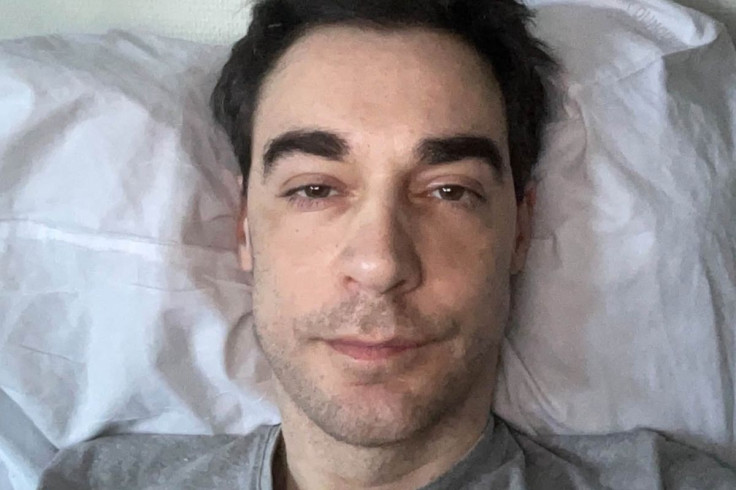
French actor and theatre director Arnaud Denis warned of a 'health emergency' for people with myalgic encephalomyelitis (ME) in a final Facebook post published shortly before his euthanasia in Belgium on Tuesday, 22 September 2026.
Denis traced more than three years of illness to a hernia operation in July 2023. He said the procedure left him severely disabled, and he spent years seeking recognition for his symptoms. His final appeal extended to other people with ME who, he said, struggled to obtain care.
Arnaud Denis Linked His Decline to Hernia Surgery
Denis, 43, had received a polypropylene mesh implant during the operation. He said intense pain, nausea, tremors and digestive, hormonal, muscular and neurological problems began to accumulate around ten days later. The report says he lost 17 kilograms in three months.
A digestive surgeon later suggested that Denis might not tolerate the implant and recommended its removal. Denis travelled to the United States for the procedure, but said it did not relieve his suffering. His account links the onset of his illness to the surgery. The information available does not establish that the implant caused ME.
His condition was eventually diagnosed as myalgic encephalomyelitis/chronic fatigue syndrome (ME/CFS). In his final post, Denis described the planned euthanasia as 'a deliverance' after 'three interminable years' of what he called 'degrading' suffering.
Why Arnaud Denis Called ME a Health Emergency
ME can cause a lasting loss of physical and cognitive function. Rest generally does not relieve the exhaustion.
One defining feature is post-exertional malaise, in which physical, mental or emotional activity that once seemed manageable can lead to a disproportionate worsening of symptoms. That deterioration may arrive hours later and persist for days or longer.
Sleep problems, pain and difficulty concentrating or remembering can also occur, though the combination and severity vary. Symptoms can fluctuate over time. The illness can appear after an infection, although its causes remain poorly understood. There is no single biological test that definitively confirms it.
Diagnosis rests on assessing symptoms and ruling out other possible explanations. Nor is there an established cure specific to ME. Care is tailored to symptoms and to the amount of activity a patient can manage without worsening them.
Denis argued that people with severe ME were being denied appropriate care. He described young people and children as 'bedridden in the dark' and said some patients had died of malnutrition at home.
His post did not say how many patients had experienced those outcomes. He also listed physiological complications that he believed were going without follow-up.
Prosecutors Closed Arnaud Denis' Complaint
Before his final post, Denis had pursued a complaint against persons unknown for involuntary injury.
On 31 August, he received a letter from the Paris prosecutor's office informing him that prosecutors had closed the complaint without further action, according to the report. He called the decision 'the final blow, it's like being trampled on'.
His lawyer, Philippe Courtois, subsequently challenged the dismissal and said he filed a new complaint with civil-party status on 18 September seeking the opening of a judicial investigation.
In the post published shortly before his death, Denis addressed people whose illness, he said, was being denied by the medical community in France and elsewhere. He criticised doctors whom he believed had failed to keep up with international research. 'I refuse anyone the right to judge me,' he wrote.
© Copyright IBTimes 2026. All rights reserved.
- Recommended For You