

New York Reports First Known Measles-Associated Child Death in Over 30 Years as US Cases Top 4,800
Officials urged residents to check vaccination records and highlighted continuing transmission risks
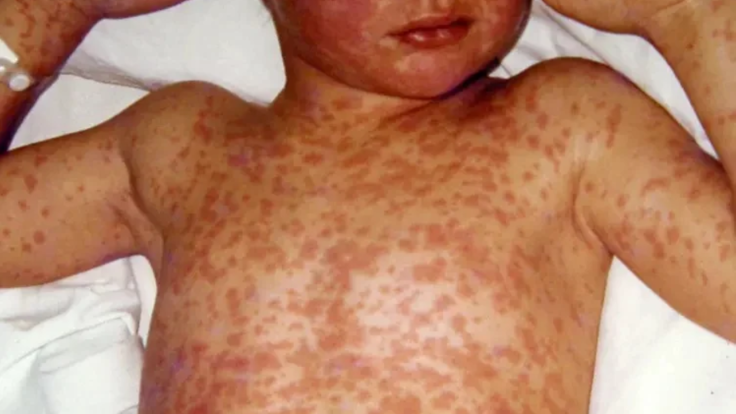
New York health officials announced on Monday, 2 November 2026, that a child in Lewis County had died in association with the state's ongoing measles outbreak. It is the first known measles-associated death in New York in more than 30 years, according to state authorities.
The announcement followed a rise in infections nationwide, with the US recording more than 4,800 confirmed cases this year.
Officials have not disclosed the child's age, vaccination status or medical circumstances. The death was announced nearly a month after Governor Kathy Hochul declared a statewide disaster emergency to strengthen the outbreak response.
The emergency declaration followed increasing measles transmission in New York and neighbouring states. It expanded the number of healthcare professionals authorised to administer vaccinations and introduced temporary measures to improve access to testing.
Health authorities have urged residents to check their vaccination records as infections continue.
New York Confirms First Known Measles-Associated Death in Three Decades
The New York State Department of Health and Lewis County Public Health confirmed the child's death in a joint statement issued on 2 November.
'We are deeply saddened by the death of a child in Lewis County associated with the ongoing measles outbreak,' the agencies said.
Officials expressed condolences to the family and requested that its privacy be respected. They did not disclose when the child died or provide further information about the medical circumstances.
The agencies described the death as measles-associated, rather than releasing a detailed medical finding establishing the precise cause.
Health officials reiterated that measles can cause serious complications, including pneumonia, brain swelling and death. They also emphasised vaccination as the most effective protection against the disease.
New York Measles Emergency Faces Approaching Expiry
Governor Hochul issued Executive Order No. 65 on 5 October, declaring a statewide disaster emergency in response to the growing outbreak.
The order expanded vaccination authority to additional healthcare professionals, including certain emergency medical personnel, midwives and pharmacists. It also temporarily authorised registered nurses to order specimen collection and laboratory testing for suspected measles infections.
The emergency measures were originally scheduled to remain in force until 4 November 2026. The published order does not establish whether an extension will be issued.
The state health department said it had offered Lewis County additional resources for community outreach and vaccination efforts. Authorities are also coordinating with local health departments to monitor infections, investigate suspected cases and identify people who may have been exposed.
As of 24 October, New York had recorded 178 measles cases in 2026. State figures showed 170 infections outside New York City and eight within the city. Those figures predate the announcement of the child's death.
US Measles Cases Surpass 4,800 as Vaccination Coverage Declines
The Centers for Disease Control and Prevention recorded 4,852 confirmed measles cases nationwide as of 29 October, the highest annual total since 1991.
The CDC reported that 96% of confirmed cases involved people classified as unvaccinated or whose vaccination status was unknown. The categories are combined in the agency's surveillance figures and do not establish the vaccination status of the child who died in New York.
The agency also reported that 511 patients had been hospitalised, representing approximately 11% of confirmed cases.
Measles can spread through the air when an infected person breathes, coughs or sneezes.
Symptoms generally begin with fever, coughing, a runny nose and red, watery eyes. A rash typically develops several days later, beginning on the face before spreading down the body.
According to the CDC's vaccination guidance, one dose of the measles, mumps and rubella vaccine is approximately 93% effective against measles, while two doses provide about 97% protection.
The routine schedule recommends a first dose at 12 to 15 months and a second at four to six years. Infants aged six to 11 months facing certain outbreak or travel-related risks may receive an early dose, followed by the two routinely scheduled doses.
State health authorities are continuing to investigate reported infections and coordinate vaccination efforts with local public health departments.
The department has offered Lewis County resources to strengthen community outreach following the child's death.
Officials have also advised people experiencing possible measles symptoms to contact healthcare providers before visiting medical facilities. Calling ahead allows hospitals and clinics to take precautions against further transmission, particularly when patients may have been exposed to the virus.
New York residents have been urged to confirm their vaccination status and follow local public health advisories. The state's original emergency order is scheduled to expire on 4 November, while health officials continue monitoring the outbreak and identifying people who may have been exposed.
© Copyright IBTimes 2026. All rights reserved.