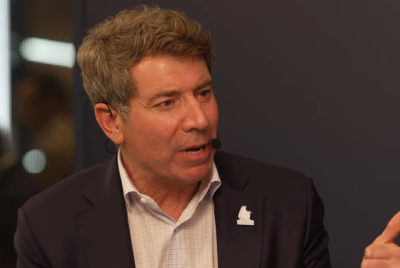
Greg Abel Follows Warren Buffett's Playbook to Expand Berkshire Hathaway's Bets on Japan
Buffett turned his $6 billion Japan investments into $30 billion over 6 years


CEO of Berkshire Hathaway, Greg Abel, followed Warren Buffett's Japan strategy by announcing that a Berkshire Hathaway subsidiary will invest $1.80 billion to acquire a 2.5% stake in Tokio Marine, the leading Japanese non-life insurer.
Berkshire will reinsure a portion of all the business done by the Tokio Marine and both the companies would 'collaborate on global strategic investment opportunities, including M&A,' but no particular target has been identified yet.
Berkshire has agreed 'not to acquire over 9.9%' of outstanding Tokio Marine shares without approval from the non-life insurer's board. The two companies will not pursue similar strategic agreements with other Japanese non-life insurers for five years, and Berkshire will continue to reinsure other Japanese clients as usual, as per the agreement.
Buffett Turned $6B Japan Investments Into $30 Billion
Abel's decision comes six years after Buffett-led Berkshire opened positions in five major Japanese trading firms, including Mitsubishi Corp, Itochu, and Mitsui, with stakes of more than 5% in each for a total investment of $6.25 billion. Back then, Berkshire portrayed the investment as part of a long-term strategy, hinting that the company was open to boosting its stakes if markets favoured it.
In the past five years, Berkshire Hathaway has boosted its stake in Japanese firms multiple times. The company began building positions in 2019, increasing its stakes in 2023 and again last year. The investments are worth over $30 billion today.
When Berkshire started investing in Japanese trading firms in 2019, the move wasn't viewed as lucrative, as Japan's stock market had barely grown over the previous 29 years. An asset market crash in 1989 triggered a prolonged period of stagnant growth for Japan. Despite a bleak market outlook, Buffett financed most of his Japan investments with cheap yen-denominated debt at a 1% interest rate. The trading houses he invested in were paying dividends of around 4%, which easily covered financing costs.
Political dynamics also buoyed Buffett's investments. Following decades of stringent economic governance, Japan has transitioned to pro-growth policies in recent years, driving its stock market to new highs. Japan's prime minister Sanae Takaichi even made the end of 'excessive fiscal austerity' central to her election campaign, which helped her party secure a landslide victory and a legislative majority.
Buffett has praised Japanese trading houses for their strong capital allocation across sectors and for benefiting from geopolitical tensions between the US and China.
Abel Alleviates Concerns of Trading Houses
Berkshire started buying its own shares for the first time in almost two years as Abel looks to deploy a record cash pile of around $400 billion. Buffett paused the repurchases, thinking his own company's stock was overvalued.
Trading house executives were worried Abel wouldn't follow through on Berkshire's pledge to hold their stocks for decades, but the new Berkshire chief alleviated those concerns by showing support for the holdings in his first annual shareholder letter issued last month. In that same letter, Berkshire warned of headwinds facing the insurance sector, which could mean it would probably 'write less property and casualty business for a period of time.'
Disclaimer: Our digital media content is for informational purposes only and not investment advice. Please conduct your own analysis or seek professional advice before investing. Remember, investments are subject to market risks and past performance doesn't indicate future returns.
© Copyright IBTimes 2026. All rights reserved.
- MOST POPULAR IN Invest