Warren Buffett At 95 Reveals His Playbook — Five Rules From The 'Oracle Of Omaha' That Still Work
A rare moment as Buffett steps back and distils six decades into a simple, patient investing philosophy


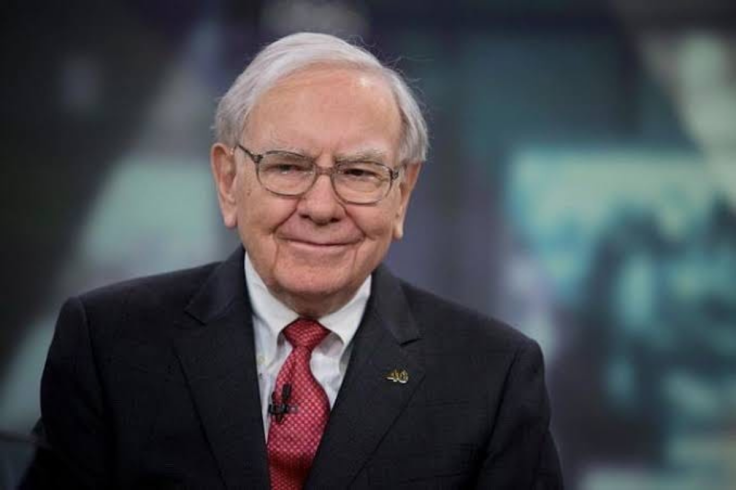
At the Berkshire Hathaway Annual Meeting 2026 on May 2, Warren Buffett did something he had not done in more than six decades—he watched from the audience.
For shareholders of Berkshire Hathaway, the shift was significant. The annual meeting has long revolved around Buffett's presence on stage, fielding questions for hours. This year, leadership visibility moved more clearly toward his designated successor, Greg Abel.
The meeting itself followed its usual format—wide-ranging discussions across Berkshire's businesses, from insurance to energy and railroads. One figure stood out: the company's cash reserves, estimated at roughly $380–$400 billion, reflecting limited large-scale investment in the current market environment.
In remarks shared with CNBC on the sidelines of the annual meeting, Buffett outlined a set of principles that continue to guide his decisions. They point to a consistent philosophy shaped over decades.
Stay Within What You Understand
Buffett reiterated a principle he has followed throughout his career—focus on areas where understanding is clear.
'I'm smart at spots and I stay around those spots.'
He referenced the approach of Thomas J. Watson Sr., who built IBM by concentrating on businesses that worked and moving away from those that did not.
Buffett acknowledged that the range of industries he fully understands has narrowed over time:
'I understand fewer of the businesses as a percentage of the whole than I did 10 years ago.'
He added that he does not expect to develop an advantage in newer sectors, reinforcing his approach of limiting decisions to areas where he has long-standing familiarity.
Choosing Not to Act Is Also a Decision
Berkshire's large cash position reflects an absence of opportunities that meet its investment criteria.
'The world is full of people offering you things to do... and there may be thousands that make sense that you don't understand—and you just leave them alone.'
Buffett stated that when suitable opportunities are not available, the company does not act: 'Well then, we don't do anything.'
He noted that over several decades, only a limited number of periods offered what he described as highly attractive opportunities:
'In 60 years... there's probably five of them been really juicy.'
The remarks underline an approach that prioritises selectivity over constant activity.
Market Behaviour Has Shifted
Buffett described current market conditions as divided in nature: 'It feels like... a church with a casino attached.'
He pointed to the growth of short-term trading activity, particularly in options markets: 'If you're buying one-day options... that's not investing, it's not speculating—it's gambling.'
He added that such activity reflects a broader shift in participation: 'We've never had people in a more gambling mood than now.'
At the same time, he indicated that not all areas of the market are affected in the same way, and that some valuations may remain stable over time.
Opportunities Emerge During Market Stress
Buffett said that the most significant investment opportunities tend to arise during periods of disruption.
'The most likely time to buy things is when nobody else will answer their phones.'
He described how market conditions change during downturns: 'When markets are collapsing... they don't answer the phones.'
In such situations, pricing becomes uncertain: 'The bids are subject... the spread is wide.'
He compared the experience to a 'slaughterhouse,' highlighting the difficulty of operating in those conditions. However, he indicated that Berkshire's ability to act quickly and deploy capital allows it to participate when others cannot.
Buffett also stated that such events are not predictable: 'If you saw them... they wouldn't happen.'
The Importance of Conduct
Buffett concluded with a principle that extends beyond investing: 'Do unto others as you would have them do unto you.'
He described this as both a behavioural and practical approach, noting that it influences long-term relationships and outcomes.
'It doesn't cost you anything... and it's reflected in better behaviour toward you.'
He added that individuals who follow this approach tend to experience more stable outcomes over time.
A Consistent Approach Over Time
Buffett's remarks reflect a consistent framework rather than a shift in strategy.
Over decades, he has emphasised a limited number of ideas: staying within areas of understanding, maintaining discipline in decision-making, and acting during periods of market dislocation.
As Warren Buffett steps back from a more visible role at Berkshire Hathaway, those principles continue to define the company's approach. The pace of markets may change, but the underlying framework he described remains largely unchanged.
© Copyright IBTimes 2026. All rights reserved.
- Recommended For You