Warren Buffett Still Collects Social Security Checks Every Month — Why His $150B Fortune Doesn't Matter
Warren Buffett, with a $150 billion net worth, receives Social Security checks worth $5,181 every month.

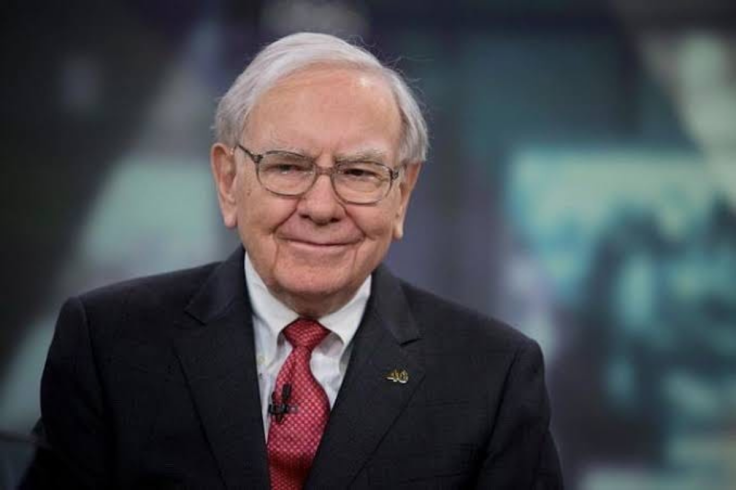
With a net worth of over $150 billion, legendary investor Warren Buffett is among the richest people in the world. He steered Berkshire Hathaway through half-a-century of market crashes and recession before stepping down as CEO late last year.
While he still visits the office daily and influences stock market trades, Buffett now receives a Social Security check of $5,181 every month, the highest possible payment under the programme.
The Social Security Administration says that an individual who earned at or above the taxable maximum in each year starting at age 22 and defers claiming benefits until age 70 qualifies for the biggest monthly retirement payment. Note that Buffett meets both of these conditions.
Despite hundreds of billions of dollars in net worth, Buffett receives the highest possible Social Security income because the rules do not means-test retirement benefits. In short, payout is determined by lifetime payroll tax contributions and not personal wealth.
How Does SSA Calculate Retirement Payouts?
Social Security check size depends on a person's lifetime earnings, which converted to their equivalent value around the time of retirement by using the national average wage index. The SSA determines average indexed monthly income during the 35 years of highest earnings and applies a formula to arrive at the benefit amount.
The SSA stated that the maximum amount of earnings subject to Social Security tax is $184,500 for 2026, and income above this limit is neither taxed nor considered for benefit calculations.
According to a filing with the US Securities and Exchange Commission, Berkshire Hathaway disclosed in 2025 that Buffett's annual income had stayed $100,000 for more than four decades.
The Oracle of Omaha's annual earnings consistently exceeded the Social Security taxable wage base in his early working years. Combined with delaying Social Security claims past the age of 70, when payouts are maximised, Buffett qualifies for the highest possible monthly Social Security check.
So, apart from earnings history, the SSA highlighted that retirement benefits also depend on the retirement age and the year of retirement.
Buffett Does Not Believe in Settling for Less
During Berkshire's 2005 annual shareholder meeting, Buffett had stated: 'I basically believe that anything that would take Social Security payments below their present guaranteed level is a mistake.'
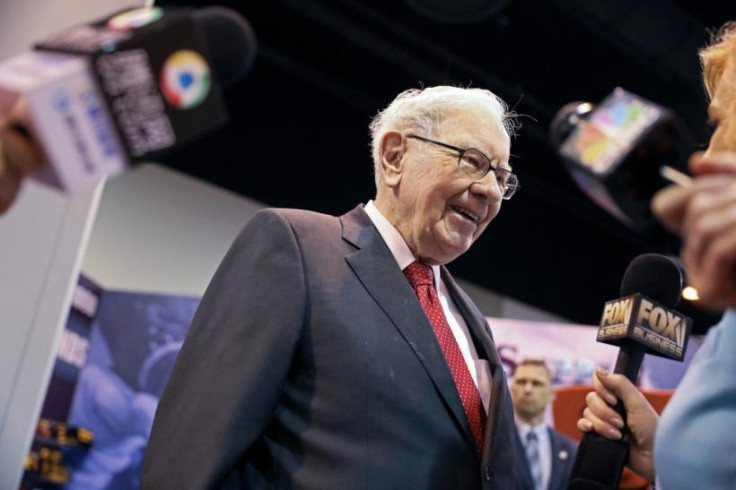
He had also proposed reforms to address the programme's sustainability amid risks of insolvency, which could cut benefits considerably within six years. The proposed reforms were means-testing benefits for high-income retirees, raising the full retirement age beyond 67 amid rising life expectancy, and eliminating the income ceiling on Social Security payroll taxes for high earners to contribute the same percentage of income as everyone else.
The current structure means that a person earning $1,184,500 annually pays the same dollar amount into Social Security as a person earning $184,500, according to calculations made by Motley Fool.
The 2025 SSA Trustees Report forecast that the Old-Age and Survivors Insurance Trust fund can be 100% total scheduled benefits until 2033 because by then, the fund's reserves will be depleted, and continuing programme income will be sufficient to pay only 77% of scheduled benefits.
© Copyright IBTimes 2026. All rights reserved.
- Recommended For You