Kevin O'Leary Backs These Two Underrated Sectors For One Reason — 'People Overpay For Everything'
From lavish ceremonies to final farewells, spending stays strong even as households tighten budgets elsewhere.

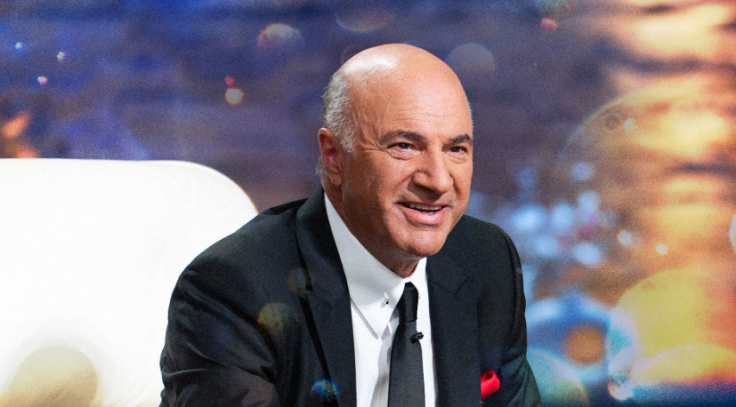
There are moments in life when budgets stop mattering. A wedding day. A final farewell. In both, decisions are rarely driven by price. They are shaped by emotion, urgency and expectation.
For Kevin O'Leary, that behaviour is not just human. It is investable. He has placed his bets on industries tied to marriage and death, arguing that they offer something many sectors cannot: consistent demand and a willingness among consumers to spend beyond their limits.
Spending Without Hesitation
O'Leary's argument rests on a simple but powerful idea. People behave differently during major life events. Speaking in a recent interview, he said marriage is one of the few times when individuals ignore cost entirely. People overpay for services, venues and products, often knowingly.
'Marriage... [is] one time in your life where you don't care about gross margin on product services,' O'Leary had said on The Iced Coffee Hour. 'People overpay for everything at weddings. It's just insane.'
He extended that view to funerals. Families making arrangements under emotional pressure are less likely to question prices or compare options.
'And also in death,' he added. 'It's another time when you don't care so much about the price of something. If you want that coffin, you want that coffin. So I'm an investor in both sides.'
The Scale of Wedding Economy
The numbers reflect this pattern. Data from The Knot shows that the average wedding in the US cost more than $34,000 in 2025. Other estimates place the figure closer to 36,000.
Overspending is common. A large majority of couples exceed their original budgets. Many still describe the added expense as worthwhile. Even when economic conditions tighten, weddings continue. Some couples reduce their scale. Others increase budgets to preserve their plans.

This resilience has made the sector attractive to investors. Companies across industries benefit. Retailers selling engagement rings, clothing brands, and hospitality groups all capture a share. Firms such as Marriott International and Hilton Worldwide generate revenue through venue bookings, catering and guest stays.
Funerals: A Steady, Unavoidable Market
The funeral industry operates under different circumstances but follows a similar economic logic. Arrangements are often made within days. Families face time pressure and emotional strain. This limits price comparison and negotiation.
As a result, demand remains steady regardless of wider economic conditions. The sector has also adapted. Some providers now position themselves as event organisers, offering personalised services that go beyond traditional formats.
Publicly listed firms provide clearer investment routes. Service Corporation International, for instance, runs a large network of funeral homes and cemeteries across the US. Despite changes such as rising cremation rates, the industry continues to show durability.
Investment Appeal and Risks
Both sectors share characteristics that appeal to investors. Demand is consistent. Customers are often less sensitive to price. The services are tied to life events that are unlikely to disappear. However, there are limitations.
Wedding-related revenue often forms only part of a company's broader operations. This means exposure is indirect. Funeral providers face structural shifts. Cremation is becoming more common and typically generates lower margins. There is also increasing scrutiny over pricing practices. These factors mean that while the sectors are stable, careful selection remains essential.
Understanding the Human Factor
O'Leary's strategy highlights a broader truth about markets. Financial decisions are not always rational. In certain moments, emotion takes precedence. Spending reflects values, relationships and cultural expectations rather than strict budgeting. For investors, recognising these patterns can offer an edge. For consumers, it presents a challenge. Balancing emotional significance with financial discipline is rarely straightforward.
© Copyright IBTimes 2026. All rights reserved.
- Recommended For You