

California Assembly Passes Landmark Bill Banning Child Marriage Despite Eight Republicans Voting 'No'
State lawmakers advance bill to set minimum marriage age at eighteen, closing loophole for minors
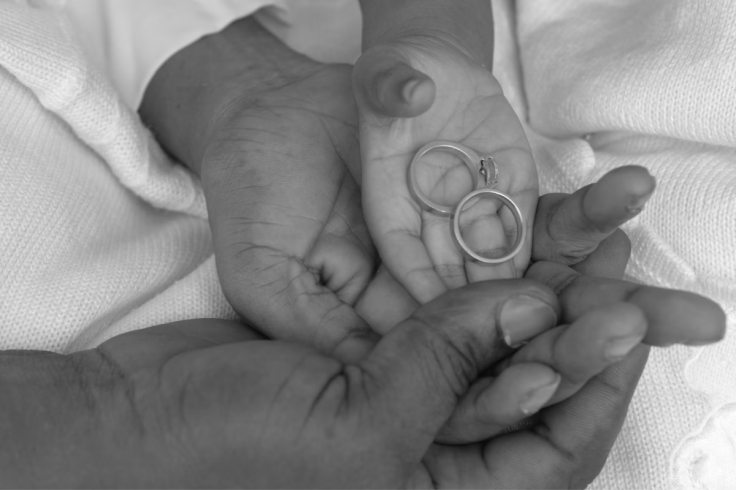
California is on the brink of eliminating one of the last legal pathways for a child to marry in the United States, after state lawmakers advanced a bill setting an outright minimum marriage age of eighteen.
Assembly Bill 1267, authored by Assemblymember Gail Pellerin of San Jose, cleared the Assembly on a 66 to 8 vote before winning unanimous backing in the Senate on 19 August 2026. Only a final concurrence vote in the Assembly now stands between the bill and Governor Gavin Newsom's desk. California is currently one of just three states with no statutory minimum age for marriage.
A Parental Consent Exception That Advocates Call a Loophole
Under existing California law, an unmarried person younger than eighteen may marry after obtaining written consent from at least one parent or guardian and a court order granting permission.
AB 1267 would repeal that authorisation entirely, along with related provisions allowing minors to enter domestic partnerships, according to the official bill text maintained by the California State Legislature. The change would take effect on 1 January 2027 if Newsom signs it into law this year.
An analysis of US Census Bureau data published by the survivor-led nonprofit Unchained At Last found that roughly 35,000 marriages involving a minor took place in California between 2000 and 2021, out of nearly 315,000 such marriages nationally over the same period.
The organisation's research found the vast majority paired an underage girl with an adult man, and the group says it has helped seventeen states and the District of Columbia adopt outright bans. Advocates say the current law compounds the harm once a marriage takes place, since a minor typically cannot file for divorce, hire independent legal counsel, or reach a domestic violence shelter without cooperation from the same guardians who consented to the marriage.
Survivors Take Their Case Directly to Sacramento
Former child bride Courtney Stodden, who married actor Doug Hutchison in 2011 at sixteen with her parents' consent, when Hutchison was fifty-one, has spent months lobbying lawmakers in Sacramento alongside Unchained At Last.
Stodden has told local media in San Diego that her father walked her down the aisle to a man she now regards as a predator, and that 'he took my innocence' along with her childhood.
In testimony to the Senate Judiciary Committee, Christina Sutton, who was married at seventeen to a man of twenty-two, said her parents had coached her to tell a judge in Napa that the marriage was her own choice.
She told the panel that, like many young people in coercive situations, she lied to the court rather than risk further violence at home.
Pellerin has pointed to what she calls a contradiction in the current statute: California sets the age of sexual consent at eighteen without exception, unless the younger partner is legally married to the older one. She has argued that even a single instance of a child being married against their will is one too many.
A Civil Liberties Group Remains the Lone Objector
Opposition to earlier attempts at a child marriage ban came from both Planned Parenthood Affiliates of California and ACLU California Action, which in 2024 jointly opposed a similar measure on the grounds that a total ban could push minors in abusive relationships further from social services.
Planned Parenthood has since dropped its opposition to AB 1267. ACLU California Action remains formally opposed, telling the Senate Judiciary Committee in a written analysis that the bill is 'premature' while the state continues gathering reliable data on how often underage marriage occurs.
That data problem is real: an investigation by CBS8 found that California counties reported just 83 marriages involving minors to the state's Department of Public Health between 2019 and 2025, yet records the station obtained directly from individual counties contained dozens of discrepancies, undermining confidence in the state's own figures.
Eight Republican Assembly members voted against the bill when it first passed the lower chamber in June 2025, according to the official roll call maintained by the California State Legislature. The Senate's unanimous vote sends the measure back to the Assembly for a concurrence vote on the amended text, the final procedural step before it can reach the governor.
Should Newsom sign it, California will close a marriage-age loophole that survivors and lawmakers alike have spent nearly a decade trying to shut.
© Copyright IBTimes 2026. All rights reserved.