

Daughter of Murderer Who Tortured Teen Babysitter Reveals She Was Forced To Visit Her Mother in Prison
Survivor of a notorious crime campaigns for changes in parental responsibility laws
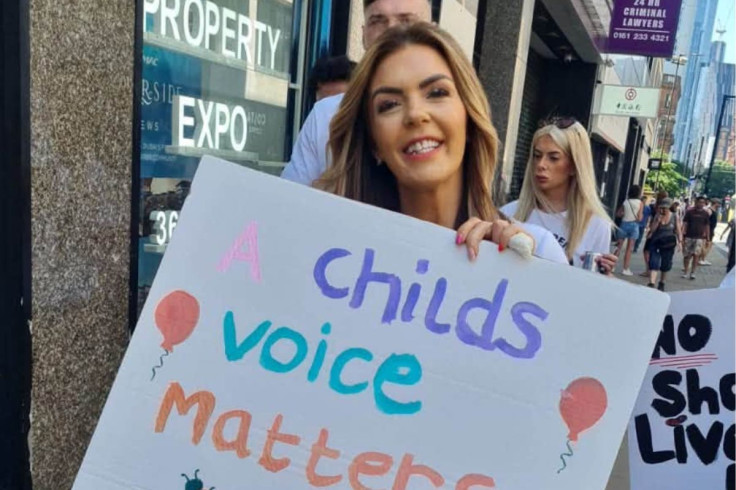
Kelly Higgins was a child when her mother, Bernadette McNeilly, became one of six people convicted in connection with the torture and murder of 16-year-old Suzanne Capper in Manchester in 1992. More than three decades later, Higgins has spoken publicly about her childhood, the abuse she experienced and the lasting impact of growing up with a mother convicted of murder.
In an interview with LADbible's Minutes With, Higgins described a childhood marked by violence and intimidation. She recalled being regularly tied to chairs alongside her brother James and being beaten with belts by their mother.
Higgins said they were subjected to frightening punishments. She recalled adults holding her and her brother over a fish tank while claiming it contained piranhas. On another occasion, she said a swan was brought into the house and killed in front of them.
She also said they were made to stand on one leg on a glass table. Higgins deliberately put her foot down to take the punishment before her brother. She said the adults eventually beat both children.
Higgins' Memories of Suzanne Capper
Higgins also remembers Capper, who she said showed affection towards her and her brother at a time when they received little care at home.
Capper was kidnapped in December 1992 and held at a house in Manchester, where she was subjected to prolonged physical abuse. She was later taken to Werneth Low, where she was doused in petrol and set alight. Capper survived the attack and was able to provide information to police before dying four days later from her burns.
McNeilly, Jean Powell, Glyn Powell and Anthony Dudson were convicted of murder. McNeilly was sentenced to life imprisonment.
Growing Up In Foster Care
Higgins was subsequently placed in foster care with Sue and Pete, whom she credits with providing her with a stable family environment. She recalled having regular meals, holidays and experiences that had been absent from her earlier childhood. Sue's daughters also became like sisters to her.
However, her mother's imprisonment did not completely remove McNeilly's influence over her life. Higgins said McNeilly retained parental responsibility, meaning she could still have a say in certain decisions involving her daughter.
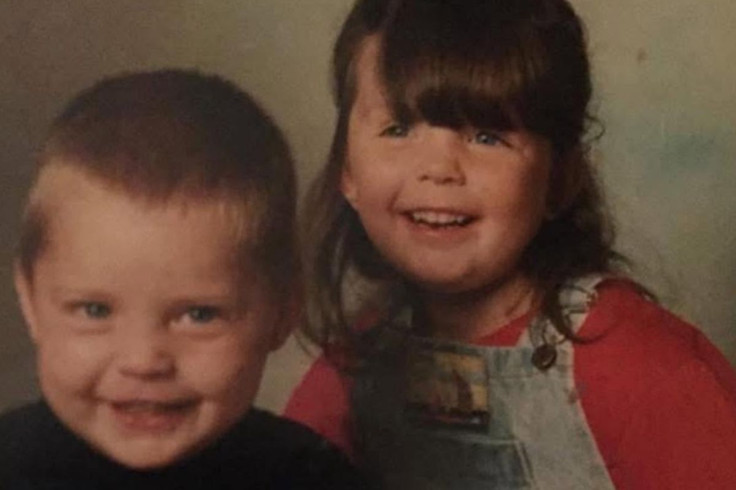
Contact with her mother in prison also created conflicting emotions. Higgins said McNeilly could be affectionate during visits, despite the violence and abuse she associated with her childhood. She added that the contrast was difficult to process as a child because the person she feared could also provide the affection she had wanted from her mother.
Campaign To Change Parental Responsibility
Higgins later became a mother herself, having her son Toby at 18 while still living with her foster family. She said becoming a parent brought back concerns about whether she could repeat the behaviour she had experienced growing up.
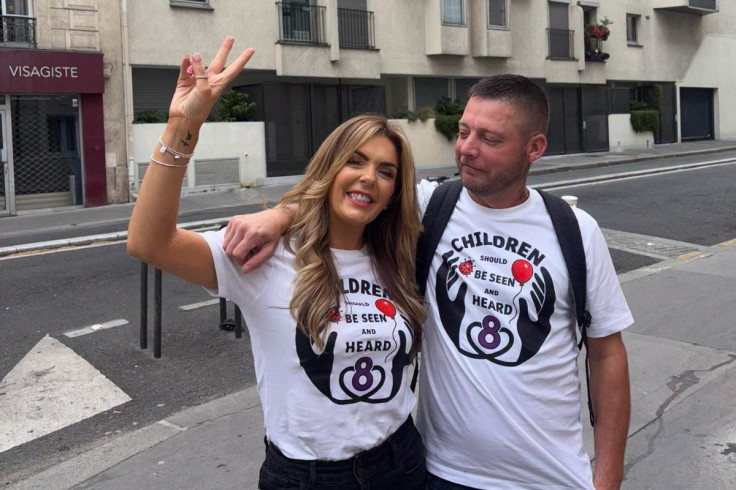
Higgins is now campaigning for changes to the law governing parental responsibility. Her petition calls for parental responsibility to be automatically removed from parents convicted of abuse and for foster parents to be able to assume that responsibility instead.
The petition, launched in March 2026, has passed the 10,000-signature threshold required for a Government response. It remains open until 11 September and needs 100,000 signatures to be considered for debate in Parliament.
For Higgins, the issue is rooted in her own experience but extends beyond it. She believes children removed from abusive households should not continue to be subject to the authority of the person they were removed from.
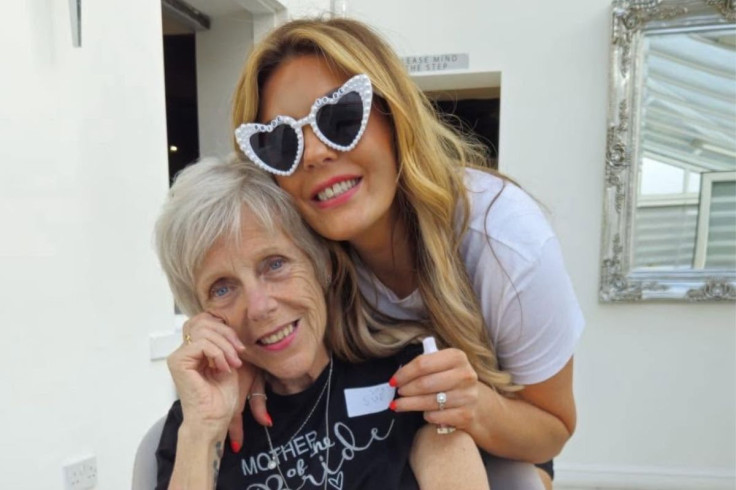
She has also spoken about the importance of the foster family who raised her and her relationship with her brother. Despite the circumstances of their childhood, Higgins said she remains close to James and considers Sue and Pete her parents.
© Copyright IBTimes 2026. All rights reserved.