

Chicago Weighs Lawsuit Against Billionaire After Fines Fail To Stop Alleged Rat-Feeding Operation
Chicago may sue Barry Seid over years of paid wildlife feeding linked to a rat infestation
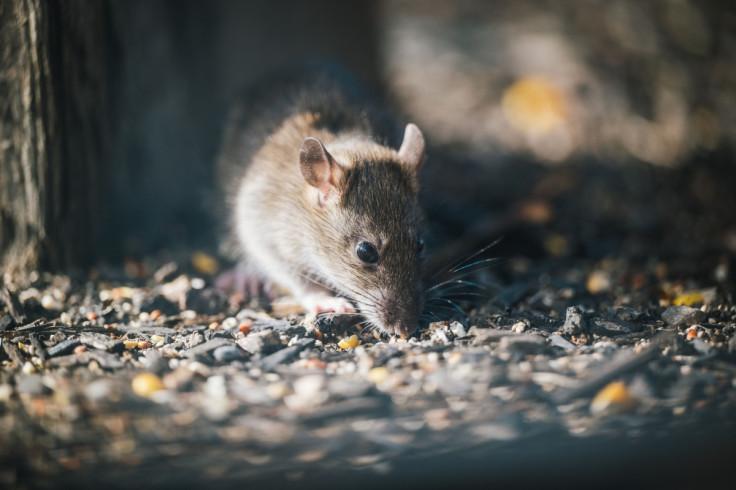
The city of Chicago is considering legal action against local billionaire, Barry Seid after recurring fines failed to stop an unusual wildlife feeding operation that has triggered a severe rat infestation. This lawsuit against the 94-year-old electronics tycoon follows allegations that the ongoing food distribution project has created a public health hazard in Lincoln Park.
Local representatives have also confirmed that standard enforcement tools have proven ineffective against the multi-billionaire, as he quietly paid every penalty without contest while the feeding exercise expanded.
A Three-Year Feeding Operation Fuels Rat Infestation
For more than three years, Seid has hired individuals to distribute canvas bags with nuts, seeds, and other foods around his residence. What began near his home at 334 Wisconsin Street expanded deep into Lincoln Park, where workers placed food around and in the trees throughout the park.
This influx of high-quality food, including Brazil nuts, walnuts and pecans, attracted large flocks of pigeons. Their droppings, along with the food remains, have fueled a booming rodent population near Green City Market. Resident Caroline Novak even described the food as a luxury mélange of really nice nuts as opposed to just acorns.
Alderman Timmy Knudsen gave a final warning, saying the rat burrows have gotten so much bigger where the nuts were laid out. He also voiced never having dealt with a 'feeding for hire' situation considering someone paid employees to feed the animals in the surrounding area.
The alderman penned a letter warning that taxpayers could be facing repair costs resulting from the damage. These allegations have also raised questions about the consequences of feeding wildlife in a densely populated neighborhood.
Fines Paid Without Contest as Feeding Expands
The city initially de-escalated enforcement, issuing civil fines and tickets for causing damage to park property. Seid complied by paying all penalties without contest, effectively turning the punitive actions into a routine operating expense for his project.
Because Seid's deep pockets neutralized the deterrent effect of the fines, the Department of Streets and Sanitation was left without any conventional regulatory option. This is why the city's legal team and Chicago Park District are currently mapping out a civil lawsuit focusing on property damage, sufficient enough to make to stop Seid.
By transitioning from basic municipal fines to a formal court injunction, attorneys hope to develop a binding judicial mandate which legally forces Seid's paid crews to stop the food distribution.
Local business owners and market vendors are also continuing to pressure the city for immediate intervention as the rodent population threatens the area's economic stability.
Community Mobilization and Environmental Restoration
To mitigate the problem, local leaders are also adding active community mobilization and targeted park remediation to their strategy. Alderman Knudsen launched a neighborhood campaign titled, 'Feed our neighbors, not our rats.'
This aims to channel the local frustration into a productive theme, redirecting the attention to funding hunger relief NGOs in the wider Chicago area. Environmental teams are also assessing the long-term effects of the accumulated nut shells and burrow networks on the roots of the trees in Lincoln Park.
Community groups hope the combination of legal restrictions on the feeding crews with public education and awareness will eventually restore the park's environmental balance.
© Copyright IBTimes 2026. All rights reserved.