'We Are against Unfair Competition': Bodegas and Grocers Sue to Block Mamdani's 30%-Cheaper Supermarkets
The National Supermarket Association says public funding would give the proposed stores an unfair advantage over private businesses
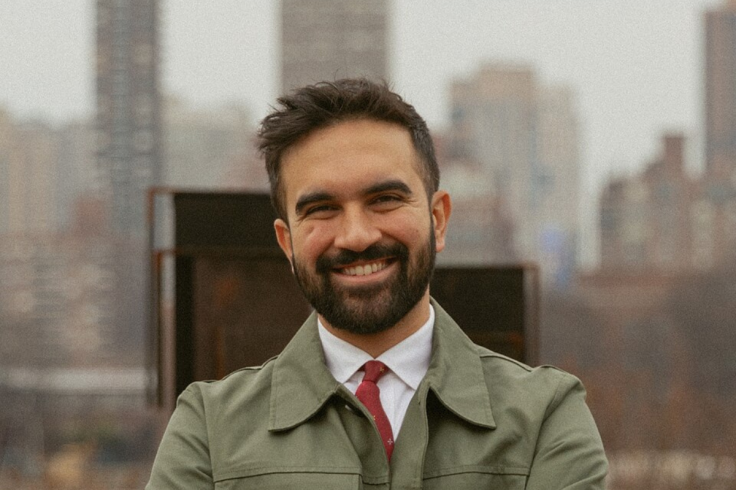
New York's independent grocers have taken Mayor Zohran Mamdani to federal court over his plan to open five city-owned supermarkets selling a basket of staple foods at 30 per cent below typical retail prices.
The National Supermarket Association, which represents 450 independent stores across the city, filed a federal lawsuit in the Southern District of New York on 9 September 2026, joined by City Fresh Market in Harlem and C-Town Supermarket in the Bronx.
The complaint argues that the roughly £51.6 million ($70 million) in city capital funding allocated to the five sites gives the municipal stores an unfair advantage, and alleges that the programme violates federal antitrust law.
It is the second legal front against the scheme, following a pair of state court actions lodged last month.
The Two Legal Fronts Facing City Hall
The federal case turns on who can access public money. Association president Anthony Peña said his members are not afraid of competition but object to being forced to compete against subsidised rivals operating under different rules, arguing that any such subsidies should be available to everyone.
He told the New York Post that independent supermarkets have invested in neighbourhoods, created jobs and paid taxes for generations, and deserve a level playing field. The complaint frames the pricing policy as predatory, and was filed with backing from the America First Policy Institute, where Larry Kudlow is vice chair of the board.
The state cases came first and took a different angle. The Multicultural Business Coalition, a group formed this year that brings together 50 chambers of commerce representing Asian, African, Caribbean, Hispanic, Middle Eastern and Jewish-owned businesses, filed two actions in New York County Supreme Court on Monday, 24 August 2026.
One is a proposed class action alleging that the plan discriminates against smaller minority-owned grocers who cannot match the discounts. The other is an Article 78 petition challenging the city's planning process and its authority to proceed. The cases have not been decided.
Mark Jaffe, the coalition's general counsel and president of the Greater New York Chamber of Commerce, put the objection in plain terms. 'You cannot expect hard-working small business owners to compete with a supermarket that isn't going to pay rent, won't have to pay an electric bill and won't have to buy their products at full price,' he told CNN.
What the Grocery Plan Would Do
The structure of the scheme is what the grocers are attacking.
Under the model set out by the mayor's office, the city finances construction on city-owned land, while a private operator chosen through a request for proposals runs the shop day to day and is contractually obliged to pass the savings on to customers. The stores are city-owned rather than city-staffed.
A lot of answers about the National Supermarket Association is being answered by this lawsuit against Mamdani's plan to open 5 state-funded grocery stores with reasonable prices t-shirt. https://t.co/oYSMADkPBy
— FBananapants (@FBananapants) September 13, 2026
The discount applies to a defined list rather than the whole shop. Mamdani announced in July that the core basket would cover all fresh produce, meat and seafood, plus 20 other essentials including cheese, milk and bread, with prices set once a month at 30 per cent below typical retail prices and held for the month.
The plaintiffs argue that this pricing structure means unsubsidised competitors cannot realistically match it.
The timetable stretches well beyond this term of litigation. One store is planned for each borough, with the first, at The Peninsula in Hunts Point in the Bronx, expected to open in late 2027 and the La Marqueta site in East Harlem planned for 2029. All five are due by the end of 2029.
Opposition has spilled onto the pavement as well as into court. Bodega owners and coalition leaders gathered outside American Deli Mini Market in Harlem, directly across the road from the La Marqueta site, to argue the plan will close small businesses.
The Mayor's Defence and the Precedent He Cites
Mamdani has framed the scale of the plan as its own answer. He has pointed out that the policy amounts to five city-owned shops in a city of more than eight million people with upwards of 1,000 existing grocery stores, and said he is confident in both the legality and the importance of the programme.
He also points to subsidised city markets that already exist.
Mamdani has cited Essex Street Market on the Lower East Side as an example of a publicly supported market operating alongside private grocers and bodegas, which he says has not resulted in widespread harm to them.
His justification rests on prices.
The mayor has described the policy as a response to a cost-of-living crisis in which grocery prices have risen by roughly 30 per cent since 2019, and has argued the stores will help stabilise costs and give residents cheaper options.
A Pattern of Challenges to the Mayor's Agenda
The grocery stores are not the only Mamdani policy in litigation. A group of landlords sued on 22 July 2026 in Richmond County Supreme Court over the Rent Guidelines Board's decision to impose a two-year rent freeze on rent-stabilised apartments.
A second challenge followed in August. Homeowners sued over the rollout of its pied-à-terre tax on high-value second homes, arguing the city mishandled the notification process. A judge temporarily blocked the rollout before the city appealed.
One episode around the grocery plan has already forced a clarification. An Economic Development Corporation official had suggested the city could potentially offer grants to shopkeepers hurt by the municipal stores, prompting the agency to state that no such grant programme was currently under consideration, while indicating it was weighing tax abatements, incentives and zoning benefits.
Both sides now claim to be defending the same people.
The plaintiffs say the stores will hollow out immigrant-owned businesses that have served these neighbourhoods for decades, while the mayor says the policy exists for the residents of those same neighbourhoods who cannot afford their weekly shop.
The courts will decide whether the legal claims succeed.
Five planned stores, none yet open, have already generated three lawsuits in two courts.
© Copyright IBTimes 2026. All rights reserved.
- Recommended For You