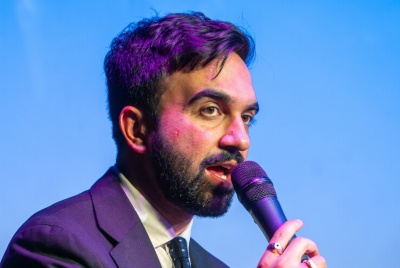
NYC Mayor Mamdani Labels Paramount-WBD Deal a 'Shameful Monument to Corruption' Shifting Power to Billionaires
Mamdani warns the Paramount-WBD merger could give wealthy investors greater media influence

New York City Mayor Zohran Mamdani has sharply criticised the proposed Paramount Skydance acquisition of Warner Bros. Discovery, describing the deal as a 'shameful monument to corruption' and warning that the merger could place too much influence over American media in the hands of wealthy individuals.
Mamdani made the comments after a settlement between Paramount and a coalition of 12 US states cleared a major legal obstacle to the proposed acquisition. The agreement includes commitments involving US film production, worker support and editorial independence at major news organisations, but critics continue to question whether the merger would concentrate too much power within one media company.
Merger Could Give Billionaires More Media Power
Mamdani argued that a competitive and independent media environment is important to the public, while warning that the Paramount-WBD combination could increase the influence of billionaire investors over what Americans watch and hear.
His criticism was directed particularly at Paramount CEO David Ellison, whose family is providing a substantial portion of the equity backing for the transaction. Paramount's original merger announcement said the deal was valued at $110 billion (£81.33 billion) in enterprise value, with $47 billion (£34.75 billion) in equity funding backed by the Ellison family and RedBird Capital Partners.
Mamdani's comments are his political assessment of the transaction rather than a legal finding that the merger constitutes corruption.
What Does the Paramount-WBD Deal Actually Combine?
If completed, the acquisition would bring together two of Hollywood's largest entertainment companies.
The combined business would control major brands and properties including Paramount Pictures, Warner Bros. Pictures, CBS, CNN, HBO, HBO Max, Paramount+, Nickelodeon and other television networks and content libraries. Paramount has said the transaction would create a global media and entertainment company with a broad collection of film, television and streaming assets.
The scale of the proposed company has been central to concerns about competition, employment and the future structure of the entertainment industry.
States Reach Settlement Over the Merger
The latest development followed an antitrust lawsuit brought by a group of states seeking to challenge the acquisition.
Under the settlement, Paramount agreed to increase US film and television production by $1.5 billion (£1.11 billion) over five years and provide $47.5 million (£35.89 million) in support for displaced workers. The agreement also establishes an oversight board intended to protect editorial independence at CBS and CNN.
The settlement does not require Paramount to sell off major assets, which has prompted criticism from opponents who argue that the concessions do not adequately address concerns about media concentration.
California Attorney General Rob Bonta, who helped lead the legal challenge, has said the settlement should not be interpreted as an endorsement of the merger.
Critics Warn About Jobs and Media Consolidation
Concerns surrounding the transaction extend beyond political influence.
Critics have warned that combining two major media companies could result in layoffs as overlapping departments, technology systems and other operations are consolidated. There are also concerns that fewer major companies controlling studios, television networks and streaming platforms could reduce opportunities for workers and smaller businesses.
Supporters of the deal, meanwhile, argue that combining resources could create efficiencies and strengthen the companies' ability to compete in an increasingly difficult global entertainment market.
Paramount has said the merger is expected to generate more than $6 billion (£4.43 billion) in synergies through technology integration, corporate efficiencies and other cost savings.
Why Mamdani's Comments Matter
Mamdani's intervention adds a prominent New York political voice to an already heated debate over one of the largest proposed media transactions in recent years.
His warning about billionaire influence reflects concerns about ownership and media concentration, while the settlement's supporters have emphasised production investment, employment commitments and protections for news organisations.
The dispute therefore extends beyond whether Paramount and Warner Bros. Discovery can become a larger company. It raises broader questions about who should control major media organisations, how much concentration is acceptable and what protections should exist for journalists, workers, audiences and competitors as the entertainment industry continues to consolidate.
The proposed transaction still faces the remaining steps required before it can formally close, meaning the debate over its consequences is unlikely to end with the latest settlement.
© Copyright IBTimes 2026. All rights reserved.
- Recommended For You