

Crypto On-Ramps in 2026: The Infrastructure Behind Digital Asset Adoption
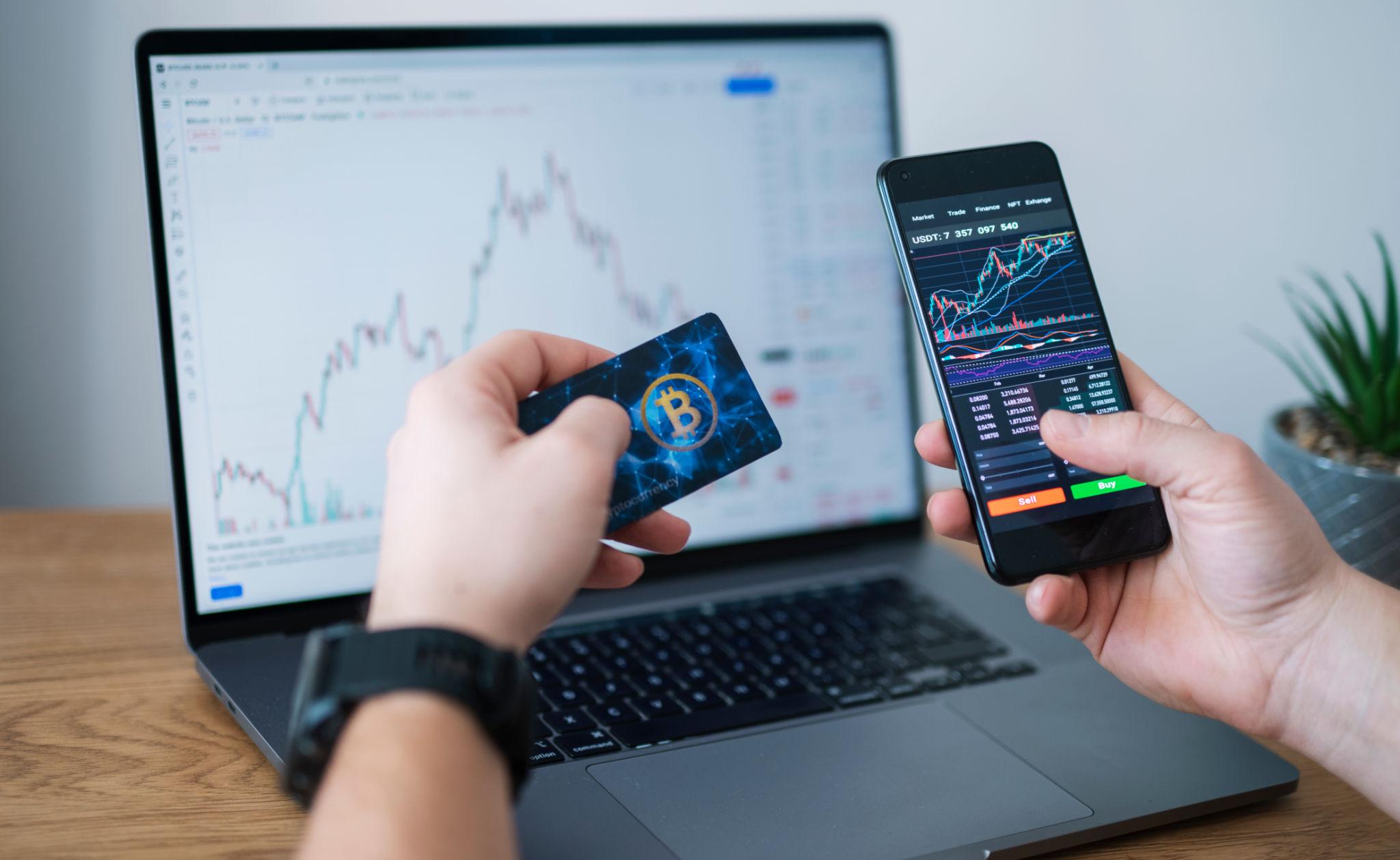
Cryptocurrencies are becoming more ubiquitous in today's financial landscape. Institutional adoption has accelerated market maturity, while long-term growth depends on making digital assets accessible to everyday users.
Crypto on-ramps are a key tool for bridging the gap between traditional finance and crypto by making it easier for everyday users to purchase cryptocurrencies using familiar fiat payment methods through regulated service providers.
In 2026, solid crypto on-ramp infrastructure is important to properly achieve mass adoption. Market booms and trends are not enough; people also need an intuitive platform to buy, receive, and use cryptocurrencies without having to learn complicated exchange tools.
What Are Crypto On-Ramps, and Why Do They Matter?
Crypto on-ramps are platforms that allow users to convert fiat currencies into cryptocurrencies using accessible, popular payment methods. These services typically accept bank transfers, debit and credit cards, and even digital wallets like PayPal. Depending on the region, they can also support local payment gateways to accommodate a wider user pool.
While fully-fledged exchanges are useful for many, there are plenty of users who don't need complicated trading tools and interfaces, or don't want to learn to interpret trading charts and deal with order books.
Most beginners are looking for a way to buy crypto using their everyday payment methods, and on-ramps provide frictionless access to the blockchain ecosystem.
How Crypto On-Ramps Connect Fiat Payments With Digital Assets
For the end user, using a crypto on-ramp is very simple and intuitive. The first step in purchasing crypto with an on-ramp service is to choose the desired cryptocurrency, then enter the amount and payment method.
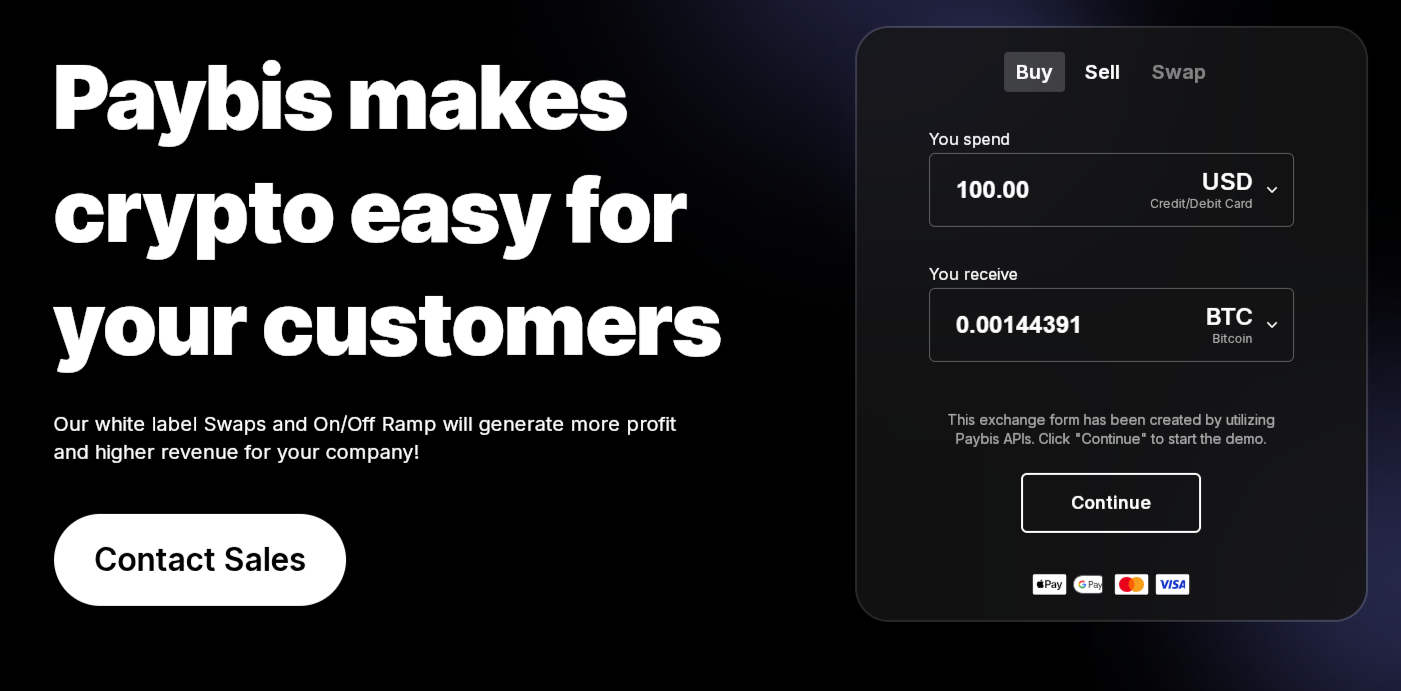
The user must then log in or create an account and, if required, complete the verification process. It's important to review exchange rates and fees before confirming the payment and to double-check the address to prevent any mistakes. Crypto transactions aren't refundable, so it's crucial to provide the correct address.
Once everything's checked, the user can confirm the transaction and make the payment. Depending on the payment method, verification requirements, and blockchain network congestion, funds may arrive within minutes.
Modern providers may support dozens of fiat currencies, multiple payment methods, web and mobile applications, external wallet delivery, and built-in custodial wallets.
Leading providers support more than 90 cryptocurrencies, up to 70 fiat currencies, and around 20 payment methods.
Although the goal is to make it easy and secure for anyone to buy crypto, there is a robust, complex infrastructure behind the scenes that keeps the platform running smoothly.
Why On-Ramps Are Important for Businesses and Web3 Platforms
But crypto on-ramps are not only a tool for individual users. They also serve as an infrastructure tool for wallets, crypto apps, gaming platforms, Web3 services, and other fintech projects. The on-ramp infrastructure can be built into these platforms, allowing users to quickly purchase crypto in-app via API integrations or mobile SDKs.
By adding on-ramp services, these crypto projects can offer a trustworthy platform without having to build all of the development, compliance, and liquidity infrastructure themselves. In this case, the on-ramp typically serves as an embedded checkout, allowing users to buy crypto without leaving the site.
Crypto on-ramp services, then, are much more than a simple way to buy crypto. They provide one of the most important infrastructure layers required for mainstream digital asset adoption.
Final Thoughts: Are Crypto On-Ramps Key to Wider Adoption?
The real value of on-ramp services lies in their potential to push adoption by making crypto accessible to more people. They enable first-time buyers, long-term investors, businesses, and Web3 applications to access blockchain networks through familiar payment experiences.
Moreover, API integration helps other projects grow by complementing their platforms with this purchasing tool.
However, while on-ramps provide accessibility and usability, there are factors to keep in mind when using these services. Both individual and business users must check factors such as fees, exchange rates, regulatory status, available digital assets, and compatibility with payment methods worldwide.
At this point in the crypto market, adoption is less likely to come from hype and trends. Instead, it will come from solid projects and a reliable infrastructure that enables new users to integrate seamlessly into the crypto ecosystem.
FAQ
What To Expect for Digital Assets in 2026?
Digital assets like cryptocurrencies are steadily becoming a more established part of the world's finance. Blockchain technology is being adopted by banks, and cryptocurrencies are being integrated into traditional financial markets.
In 2026, the market can expect higher adoption rates and greater integration with traditional systems through crypto on-ramp services.
How Do Crypto On-Ramps Work?
Crypto on-ramp services work by providing users with a simple and intuitive way to buy digital assets using traditional payment methods, such as credit or debit cards, bank transfers, or digital wallets. They can act as a standalone service or be integrated into other platforms via APIs and mobile SDKs.
Which crypto has the best infrastructure?
There are plenty of blockchains and cryptocurrency projects with a solid infrastructure. The best option for anyone depends on their specific goals and what they expect to achieve with their crypto investments.
Bitcoin, for example, is one of the most established cryptocurrencies and is often used as a store of value. Other blockchains, like Ethereum or Solana, are leading projects in the DeFi and dApps ecosystem.
Which crypto is being adopted the most?
In the current market dynamics, stablecoins are a leading force in the crypto markets. But projects focused on smart contract features and tokenisation are also sought after by new traders who are interested in participating in this ecosystem.
© Copyright IBTimes 2026. All rights reserved.