

Fake SEC Credentials and AI Trading Bots Allegedly Tricked Investors Out of $15M
WhatsApp groups and bogus SEC paperwork helped make two fake investment platforms appear legitimate
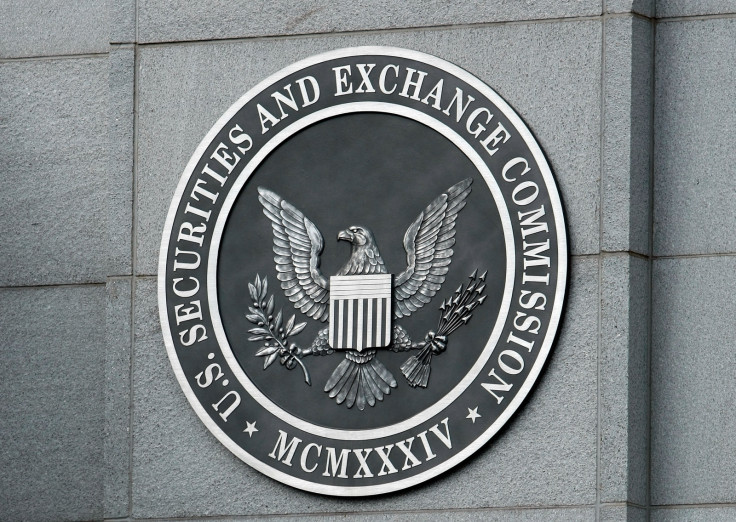
The alleged investment scams did not rely on sophisticated trading alone. According to US regulators, they combined AI trading bots, fake SEC credentials, and online relationships to make bogus investment platforms appear legitimate before taking at least $15.3 million (£11.6 million) from retail investors.
The US Securities and Exchange Commission alleges that Cryptoaiml Ltd., Cryptoaiml Capital Foundation, TSAI Pro Ltd., and TSAI Capital Foundation used WhatsApp, websites, and Facebook to promote supposed trading opportunities. The SEC filed two civil complaints in the Southern District of New York on 29 September 2026, alleging the schemes misappropriated more than $12.5 million (£9.5 million) and $2.8 million (£2.1 million), respectively.
The cases offer a useful warning for retail investors because the alleged deception went beyond promising unusually high returns. The schemes allegedly manufactured proof of regulatory legitimacy, including documents purporting to show SEC approval.
Fake SEC Paperwork Was Used to Build Trust
Cryptoaiml allegedly operated WhatsApp groups from at least August 2024 to March 2025, where people presented themselves as investment professionals and promoted supposed AI-generated trading signals. Investors were allegedly directed towards a platform that displayed profits, but the SEC claims no genuine trading took place and the figures shown to users were fictitious. The company also allegedly claimed to be certified by regulators and displayed a falsified Form D filing on its website.
The SEC alleges Cryptoaiml ultimately took at least $12.5 million (£9.5 million) from more than 300 retail investors and clients. That tactic is particularly important because filing a Form D does not mean a company is registered, licensed or approved by the SEC. Investor.gov explicitly warns that fraudsters can point to Form D filings to create a false impression of legitimacy.
One AI Bot Allegedly Promised $6.3M in Returns
The TSAI scheme allegedly used the appeal of artificial intelligence more aggressively, telling investors they could rent bots designed to trade stocks, futures, foreign exchange, and crypto assets.
The SEC complaint alleges that the cheapest bot cost $100 (£76) and purportedly returned $20 (£15) after two days. At the other end of the scale, an alleged $500,000 (£378,000) bot was advertised as generating $17,500 (£13,200) a day for 360 days, producing a supposed total of $6.3M (£4.8M).
The regulator alleges that there were no AI trading bots, and that deposited funds were never used to generate the promised trading returns. TSAI allegedly also told investors they could earn commissions by recruiting other people into the programme.
That combination of guaranteed returns, technology claims, and recruitment incentives is significant because it gave investors several reasons to believe the platform was generating genuine activity, even though the SEC alleges the underlying trading did not exist.
Fake Profits Could Turn Into More Payment Demands
The alleged fraud did not necessarily end when investors tried to withdraw money. The SEC says Cryptoaiml users who attempted to withdraw funds were told their accounts had been frozen and were allegedly required to pay fraudulent advance fees. Investor.gov separately warns that demands for additional money to unlock supposedly frozen investment accounts are a recognised feature of investment scams.
The SEC's investor guidance also warns that scammers may impersonate investment professionals or government agencies, use messaging apps to build trust, exploit emerging technologies, and demand fees before allowing withdrawals. For investors, that means an apparent balance on a trading dashboard should not automatically be treated as evidence that money is actually being traded or held.
Investors Can Check SEC Claims Before Sending Money
The SEC advises investors to independently check the background of anyone offering an investment through Investor.gov rather than relying on screenshots, certificates or claims made in private chat groups. A genuine SEC filing can also be misunderstood. Investor.gov says Form D is a notice associated with certain securities offerings under Regulation D, rather than evidence that the company or offering has received SEC approval.
The SEC says the Forms D filed by Cryptoaiml and TSAI Pro have since been removed from its website. The agency is seeking injunctions, disgorgement, and civil penalties in the two cases. The allegations have not been adjudicated, and the defendants have not been found liable in court.
© Copyright IBTimes 2026. All rights reserved.